Introduction to Photoelectric Sensor Electric Heating Rods
Photoelectric sensor electric heating rods are advanced industrial components that integrate optical sensing technology with precise thermal control. These devices are used in environments where temperature regulation is critical, such as in plastic molding, packaging, and chemical processing. The core principle relies on a photoelectric sensor detecting the presence or absence of an object, which then triggers the electric heating rod to activate or deactivate, ensuring efficient energy use and process stability. Unlike traditional heating elements, this system minimizes heat waste by responding to real-time conditions, making it ideal for automated production lines.
Core Components and Their Functions
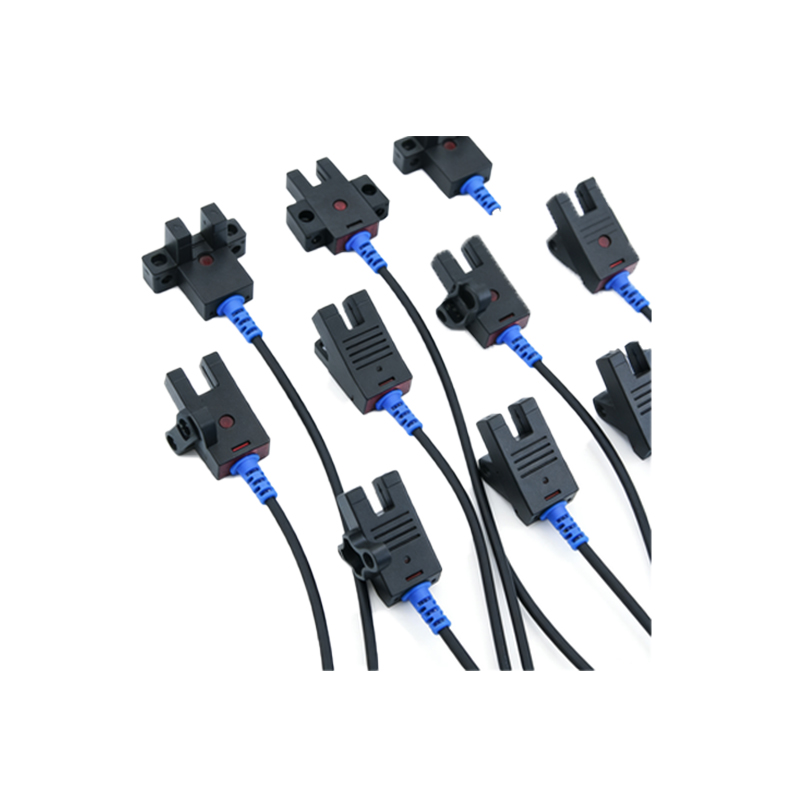
The system comprises three main components: the photoelectric sensor, the electric heating rod, and a control unit. The photoelectric sensor typically uses an infrared or visible light emitter and receiver. When an object breaks the light beam, the sensor sends a signal to the controller. The electric heating rod, often made of stainless steel with a resistive heating element, converts electrical energy into heat. The control unit processes the sensor input and adjusts the power to the heating rod via a relay or solid-state switch. This integration allows for precise temperature management without manual intervention.
Operating Principle: Light Detection to Thermal Response
The operating principle is based on a closed-loop feedback system. Initially, the photoelectric sensor emits a continuous light beam. When a target object, such as a plastic part or a conveyor belt item, interrupts the beam, the sensor’s receiver detects the change in light intensity. This detection triggers an electrical signal that travels to the control unit. The control unit then activates the electric heating rod, which begins to heat to a predetermined temperature. Once the object moves away, the light beam is restored, and the sensor signals the controller to reduce or cut off power to the heating rod, preventing overheating and saving energy.
Key Advantages in Industrial Settings
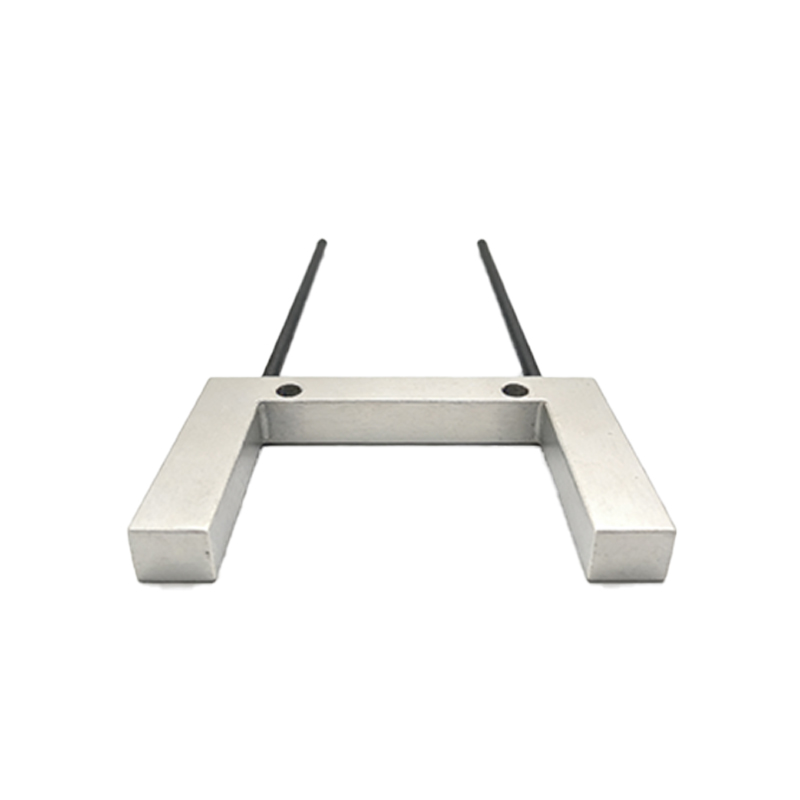
This technology offers several benefits for industrial users. First, it improves energy efficiency by heating only when necessary, reducing electricity costs. Second, it enhances process precision, as the heating rod responds to object presence rather than a fixed timer, which is crucial for processes like welding or sealing. Third, it prolongs equipment lifespan by avoiding constant operation. Additionally, the non-contact nature of the photoelectric sensor eliminates mechanical wear, making the system reliable in dusty or humid environments. These advantages make it a preferred choice for automated manufacturing systems.
Common Applications and Installation Considerations
Photoelectric sensor electric heating rods are widely used in packaging machines for heat-sealing films, in 3D printers for maintaining nozzle temperature, and in food processing for heating molds. When installing, engineers must ensure the sensor’s alignment is correct to avoid false triggers. The heating rod should be positioned close to the target area for rapid thermal response. Environmental factors like ambient light or vibration can affect sensor performance, so using shielded cables and proper mounting is recommended. Regular calibration of the sensor and checking the heating rod’s resistance are essential maintenance practices.
Future Developments and Conclusion
Advancements in sensor technology, such as laser-based photoelectric sensors and IoT connectivity, are expanding the capabilities of these heating rods. Future systems may integrate smart algorithms for predictive heating and remote monitoring. In conclusion, the photoelectric sensor electric heating rod represents a synergy of optical detection and thermal management, offering a robust solution for modern industrial challenges. Understanding its principles helps engineers optimize production efficiency and reduce operational costs.