Introduction to Reflective Photoelectric Sensors in Fluid Monitoring
Reflective photoelectric sensors are widely adopted in industrial automation for non-contact detection of objects, including transparent or semi-transparent liquids. In applications such as intravenous drip monitoring, chemical dispensing, or coolant flow control, detecting the drop rate of liquids with high precision is critical. These sensors operate by emitting a light beam, typically infrared, and measuring the reflected signal from a target. For liquid drops, the sensor detects changes in reflection caused by the droplet's presence, enabling real-time drop rate calculation. Key parameters include response time, ambient light immunity, and sensitivity to transparent media, which must be optimized for reliable performance in harsh environments.
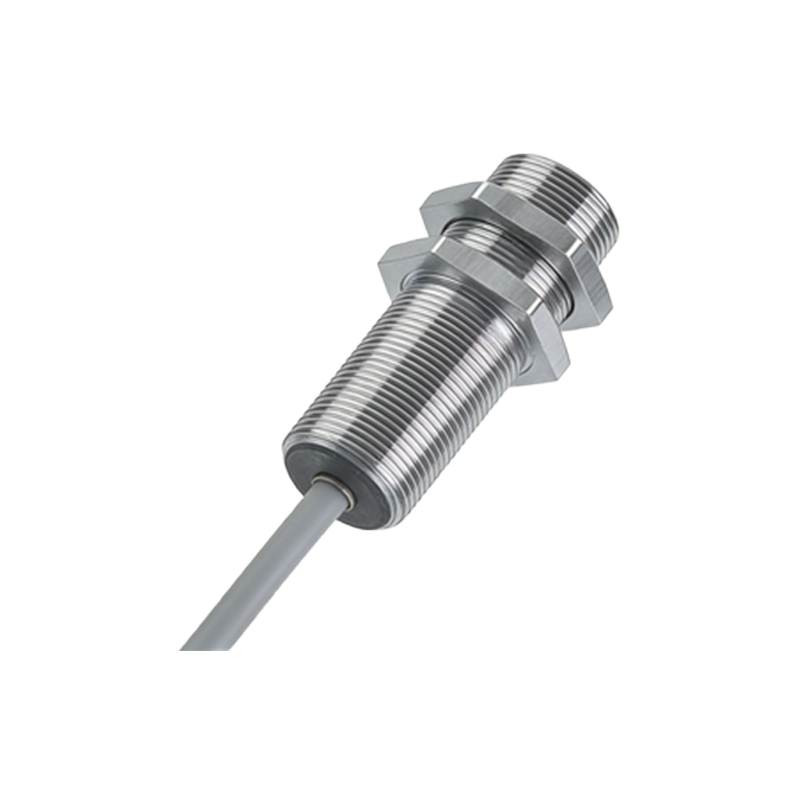
Operating Principle of Reflective Sensors for Drop Detection
The core mechanism relies on the optical contrast between a falling liquid drop and its background. When a droplet passes through the sensor's detection zone, it alters the amount of light reflected back to the receiver. For reflective sensors, a common setup involves positioning the sensor at an angle relative to the drop stream, using a stable reflective surface behind the droplets. The sensor outputs a digital or analog signal that fluctuates with each drop. Engineers must calibrate the threshold to distinguish between drops and environmental noise, such as condensation or vibration. The response time of the sensor, typically in the microsecond range, ensures accurate counting at high speeds, up to several hundred drops per minute.
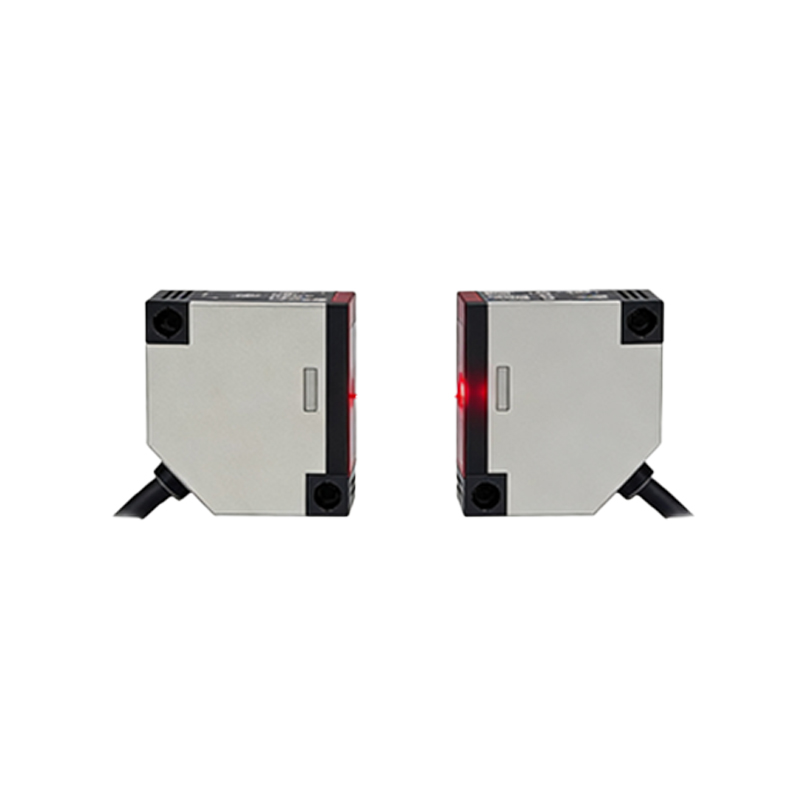
Design Considerations for Industrial Liquid Drop Rate Systems
Implementing reflective photoelectric sensors for drop rate detection requires careful attention to installation and environmental factors. First, the sensor's wavelength should match the liquid's optical properties; for clear liquids, near-infrared wavelengths (850-950 nm) often provide better contrast. Second, the distance between the sensor and the drop path must be optimized within the sensor's specified range, usually 10-100 mm. Third, the reflective surface should be non-corrosive and resistant to liquid contamination, such as polished stainless steel or glass. Additionally, ambient light interference can be mitigated by using modulated light and synchronous detection. For high-accuracy applications, a microcontroller with a timer module is used to measure inter-drop intervals and calculate rate with standard deviation.
Practical Setup and Calibration Steps
To deploy a reflective sensor for liquid drop detection, follow these steps: Mount the sensor perpendicular to the drop direction, with the reflector opposite. Power the sensor with a regulated DC supply, typically 10-30 V. Connect the output to a PLC or microcontroller input. Adjust the sensitivity potentiometer or software gain to achieve a stable trigger on each drop. Test with the actual liquid at the expected flow rate; fine-tune the threshold to avoid false triggers from liquid splashes. For example, in intravenous applications, a drop rate of 10-60 drops per minute requires a sensor with a minimum response time of 10 ms. Data logging can be implemented to monitor drift over time.
Common Challenges and Troubleshooting
Challenges in this application include sensor blinding due to liquid film on the reflector, signal noise from mechanical vibrations, and false triggers from air bubbles. To address these, use a hydrophobic coating on the reflector or a wiper mechanism for continuous cleaning. For vibration, mount the sensor on a damped bracket. If the liquid is highly absorptive or turbid, consider using a through-beam sensor as an alternative. Regular maintenance includes cleaning the lens and reflector with isopropyl alcohol to maintain optical clarity. The sensor's IP rating should be at least IP67 for washdown environments.
Conclusion and Future Trends
Reflective photoelectric sensors provide a cost-effective and reliable solution for liquid drop rate detection in industrial and medical applications. With proper setup and calibration, they achieve accuracy within ±1% of the actual rate. Emerging trends include integration with IoT platforms for remote monitoring and using machine learning to adapt to varying liquid properties. As sensor technology advances, smaller form factors and lower power consumption will enable deployment in portable devices. For engineers, selecting the right sensor model and implementing robust algorithms is key to long-term system stability.