Introduction to Slotted Surface Mount Photoelectric Sensors
Slotted surface mount photoelectric sensors, also known as fork or U-shaped sensors, are non-contact detection devices widely used in automation and industrial control systems. These sensors feature an integrated emitter and receiver housed in a single unit with a slot, allowing objects to pass through for detection. Unlike through-beam sensors, slotted designs simplify alignment and installation, making them ideal for high-speed applications such as counting, positioning, and end-stop detection. In this article, we explore their working principle, key specifications, and practical considerations for engineers.
Working Principle and Design Architecture
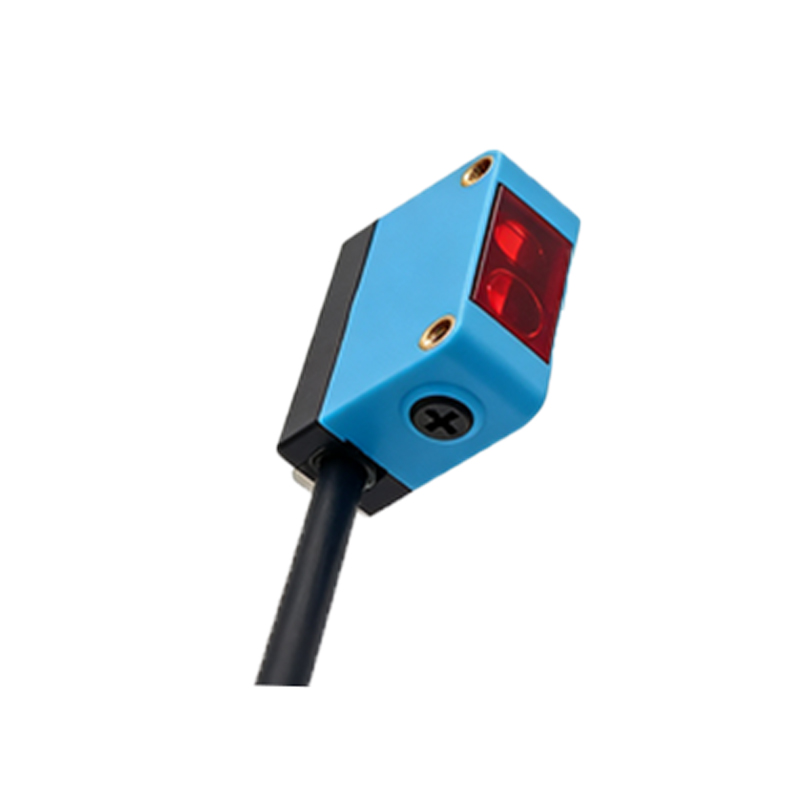
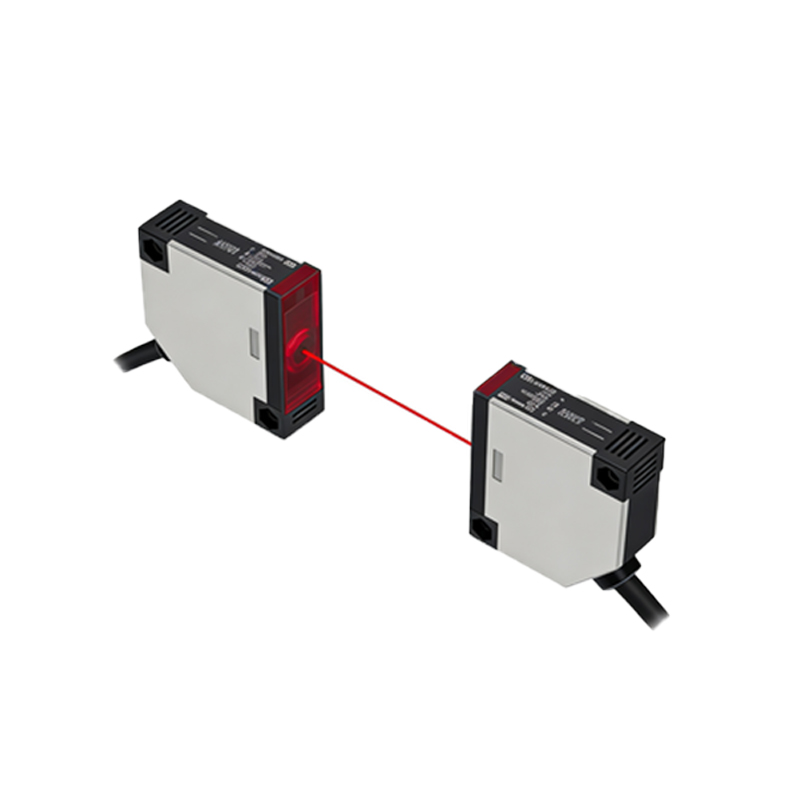
The core operation of a slotted photoelectric sensor relies on an infrared or visible light beam transmitted from the emitter to the receiver across a defined gap. When an object interrupts this beam, the sensor triggers an output signal. The surface mount variant features a compact, low-profile housing designed for PCB or panel mounting, minimizing space consumption. Key components include a light source (LED), a photodetector (phototransistor or photodiode), and signal conditioning circuitry. The slot width typically ranges from 3 mm to 50 mm, depending on application requirements. For optimal performance, the sensor must be aligned perpendicularly to the target’s travel path.
Key Electrical and Optical Characteristics
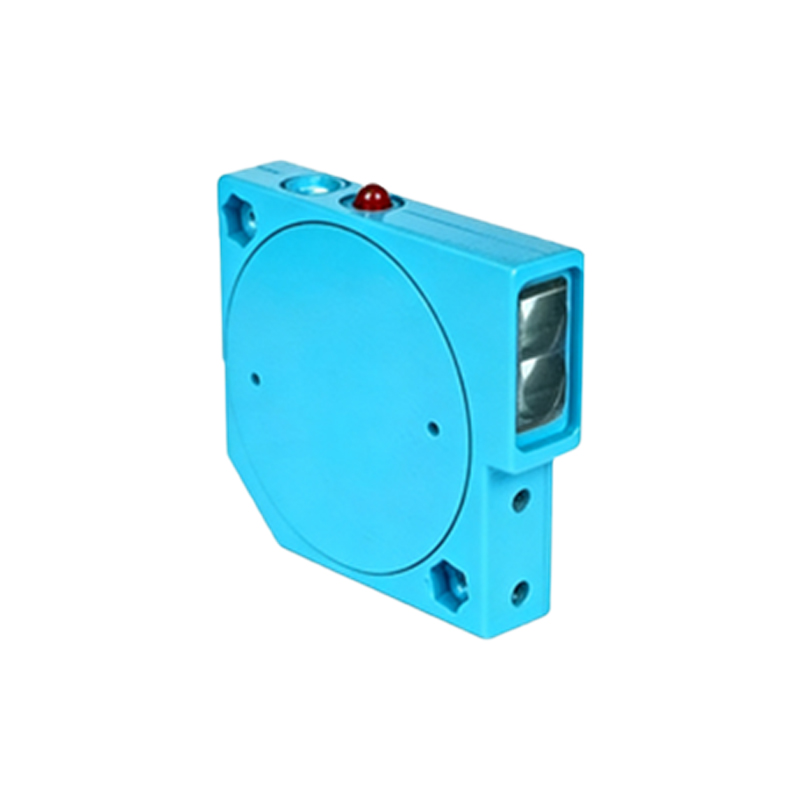
Engineers should evaluate critical parameters such as supply voltage (commonly 10-30 VDC), output type (NPN or PNP open collector), and response time (typically under 1 ms). Optical characteristics include light wavelength (e.g., 940 nm for infrared), detection distance (slot depth-dependent), and ambient light immunity. Many modern slotted sensors offer adjustable sensitivity via a potentiometer or digital interface, enabling fine-tuning for transparent or opaque objects. Power consumption is generally low, around 10-30 mA, making them suitable for battery-powered or energy-efficient systems.
Selection Criteria for Industrial Environments
When selecting a slotted surface mount photoelectric sensor, consider the target material, speed, and environmental factors. Opaque objects like metal or plastic yield reliable detection, while transparent or reflective materials may require specialized models (e.g., with polarized optics). For dusty or wet environments, sensors with IP67 or higher ingress protection are recommended. Temperature range (-25°C to +70°C) and vibration resistance are also critical for factory automation. Additionally, check the slot width and depth to ensure the target fits comfortably without obstruction.
Installation and Alignment Best Practices
Proper installation is essential to avoid false triggers. Mount the sensor on a stable surface using screws or adhesive tape, ensuring the slot is free from debris. Align the target’s path to pass through the center of the slot, maintaining a consistent gap. For high-speed applications (e.g., counting products on a conveyor belt), use a sensor with a fast reaction time and confirm the output signal matches the controller’s input logic (PNP or NPN). Test the system under ambient light conditions to verify immunity to stray reflections.
Common Applications in Automation Systems
Slotted surface mount photoelectric sensors excel in tasks like label detection in packaging, belt breakage monitoring, and elevator door positioning. They are also used in robotics for end-of-arm tool sensing and in vending machines for coin or product detection. Their compact size and ease of integration make them a cost-effective alternative to laser or fiber optic sensors in moderate-speed systems. For example, in a print-and-apply labeler, a slotted sensor ensures accurate label dispensing by detecting the gap between labels.
Troubleshooting and Maintenance Tips
Common issues include false triggers due to dust accumulation or misalignment. Regularly clean the slot with a lint-free cloth and check for electrical noise from nearby motors or drives. If output remains unstable, verify the supply voltage and wiring polarity. For sensors with adjustable sensitivity, recalibrate using the target object during normal operation. In harsh environments, consider using a sensor with a sealed housing or a protective cover to extend lifespan.
Future Trends and Advanced Features
Emerging slotted sensors incorporate IO-Link communication for real-time diagnostics and parameter configuration, enhancing predictive maintenance capabilities. Miniaturization allows integration into IoT devices, while improved optics enable detection of smaller objects (down to 0.1 mm). As Industry 4.0 evolves, these sensors will play a key role in smart factories, offering plug-and-play compatibility with PLCs and edge computing systems.