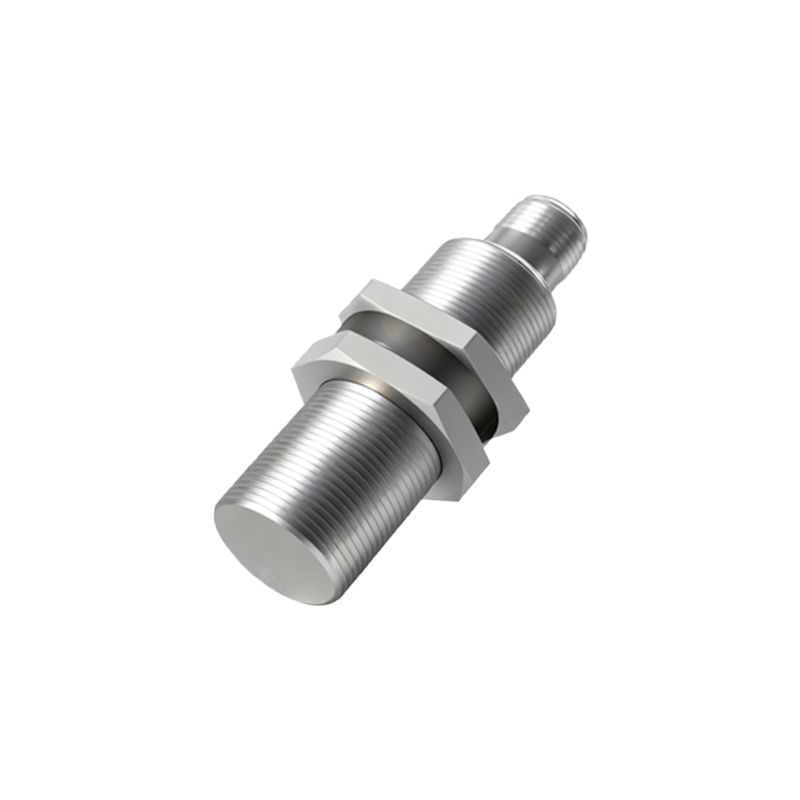
Selecting the appropriate proximity sensor model is a critical decision in industrial automation, machinery design, and countless electronic applications. The "right" model is not a one-size-fits-all answer but depends on a precise alignment of the sensor's capabilities with your specific operational requirements. Understanding the key parameters and technologies is the first step toward a reliable and cost-effective solution.
The primary consideration is the sensing technology. Inductive proximity sensors are the workhorses for detecting metallic objects, typically ferrous metals like steel and iron. Common models in this category, such as the E2A series from Omron or the BI series from Pepperl+Fuchs, offer robust performance in harsh industrial environments. For non-metallic targets—including liquids, glass, plastics, and wood—capacitive sensors like the E2K series are the standard choice. Where physical contact is impossible or undesirable, photoelectric sensors (e.g., E3Z series) use light beams to detect objects at greater distances. Finally, magnetic sensors, often reed switch or Hall effect-based, are specifically designed for detecting permanent magnets.
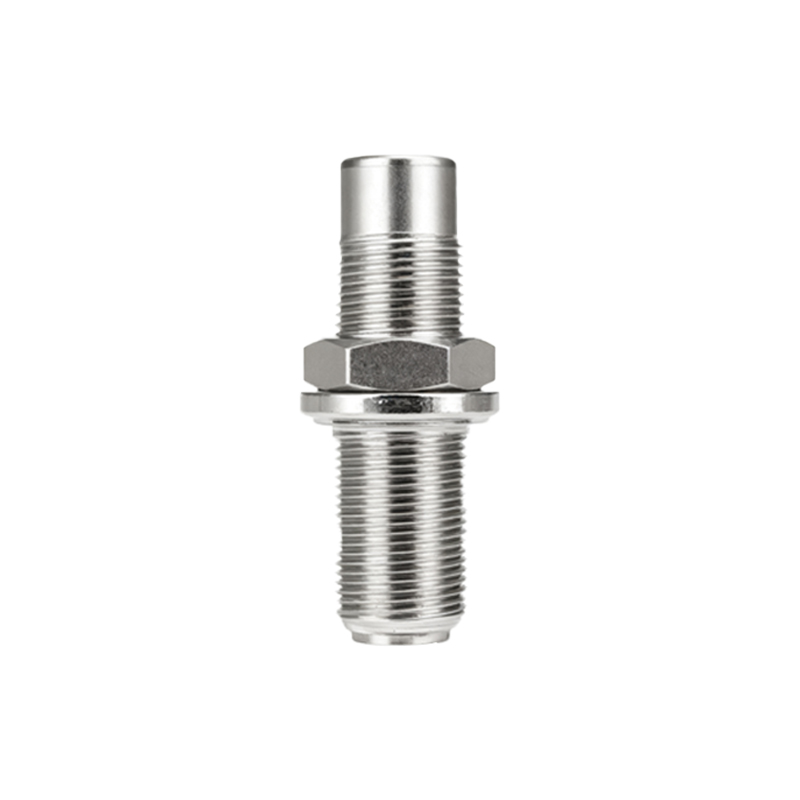
Beyond the core technology, the specifications define the model's suitability. The sensing distance, or nominal range, is paramount. A model like the IFM IGM series might offer a 2mm range for precise positioning, while a Turck BI30 could provide 40mm for more flexible mounting. Ensure you account for the reduction factor for non-ferrous metals when using inductive sensors. The output type is equally crucial: PNP (sourcing) or NPN (sinking) transistor outputs must match your PLC or controller input card. For analog feedback, models with 4-20mA or 0-10V outputs, such as some in the Balluff BES series, are required.
The physical and electrical characteristics cannot be overlooked. The housing size and shape (barrel, rectangular, limit switch style) must fit your mechanical constraints. Connection methods—pre-wired cables, quick-disconnect (M8, M12 connectors), or terminal blocks—affect installation time and maintenance. For challenging environments, look for models with high Ingress Protection (IP) ratings (e.g., IP67, IP69K) for resistance to dust and water, and robust housing materials like stainless steel (e.g., Sick IM series) for washdown or corrosive areas.
The application context dictates the final choice. For position sensing on a high-speed conveyor, a fast-switching, small-factor inductive sensor is ideal. Level detection in a plastic granulate silo requires a capacitive sensor. In welding cells, weld-field immune models (often labeled "WFI") are necessary to ignore electromagnetic interference. For food and beverage, sensors with FDA-compliant materials and polished surfaces are mandatory.
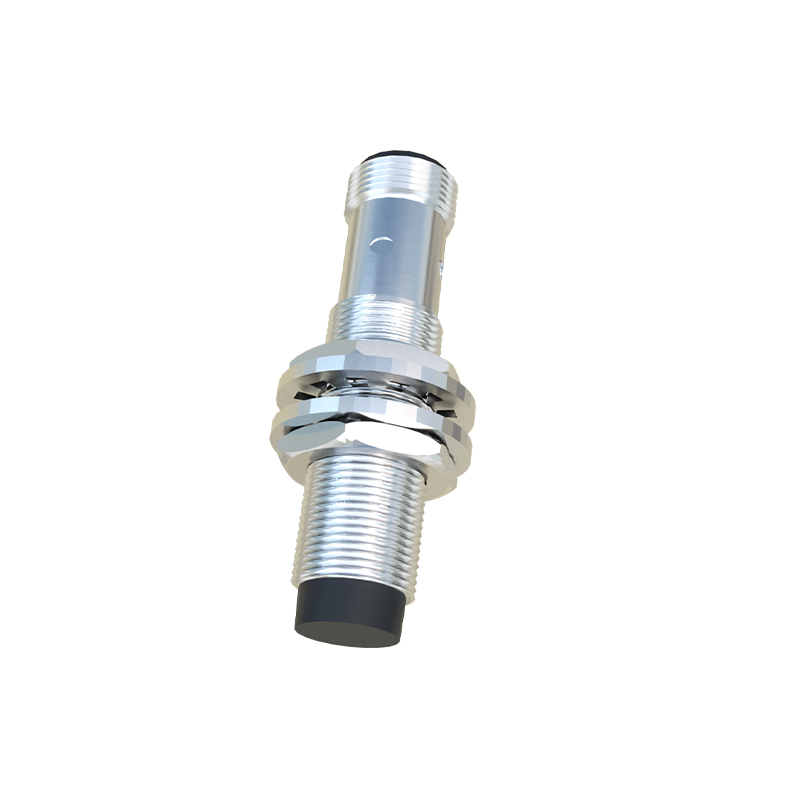
Therefore, the question "What model of proximity sensor?" should be systematically broken down: What is the target material? What is the required sensing distance? What is the operating environment (voltage, temperature, contaminants)? What output signal is needed? By consulting manufacturer catalogs and using their selection tools—comparing series like Allen-Bradley 871TM, Siemens 3RG, or Keyence PR—you can filter from thousands of models to the handful perfectly suited to your task. Always request samples for real-world testing under actual conditions to validate performance before full-scale deployment. This meticulous approach ensures optimal detection reliability, system uptime, and long-term value from your sensor investment.