Introduction to Through-Beam Photoelectric Sensors
In the field of industrial automation, through-beam photoelectric sensors are widely recognized for their superior detection range and reliability. Unlike retro-reflective or diffuse sensors, these sensors consist of a separate emitter and receiver, allowing them to achieve high penetration through dust, fog, and other environmental obstructions. For engineers seeking optimal performance in harsh conditions, understanding which sensor models offer the best penetration is critical. This article explores key factors affecting penetration and recommends top-performing sensors based on industry standards.
Key Factors Influencing Penetration Capability
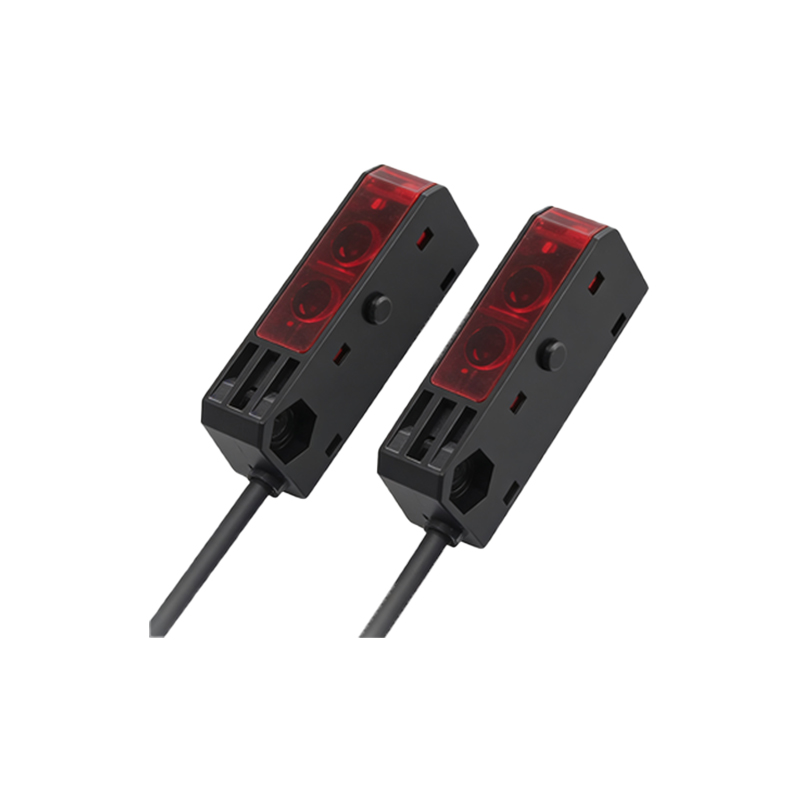
Penetration in through-beam sensors is primarily determined by the light source type, wavelength, and output power. Infrared (IR) LEDs with wavelengths around 850 nm to 950 nm typically provide better penetration through smoke, steam, or airborne particles than visible red light (660 nm). Additionally, sensors with higher optical power ratings, measured in milliwatts (mW), can overcome longer distances and denser contaminants. The beam divergence angle also matters; a narrower beam reduces scattering but may require precise alignment. For extreme conditions like heavy dust or oil mist, laser-based through-beam sensors offer unmatched penetration due to their coherent and focused light.
Top Sensor Models for High Penetration
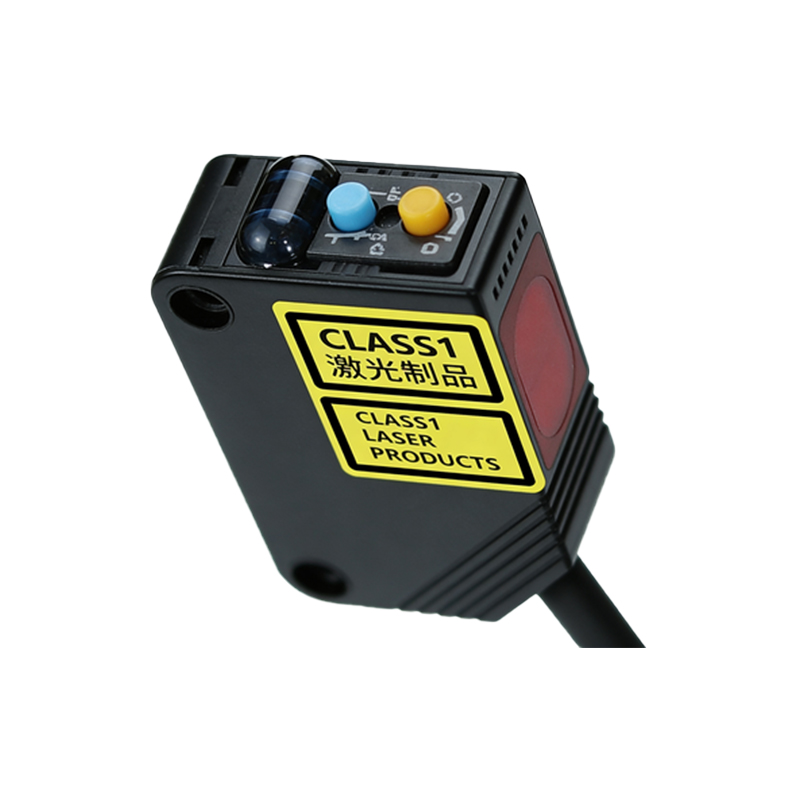
One of the most recommended models for high penetration is the Banner Engineering QS30 series. These sensors utilize a modulated infrared beam with a range up to 60 meters, even in moderately dirty environments. Another excellent choice is the SICK WTV4-3 series, which features an advanced optics design that minimizes the effect of lens contamination. For laser-based solutions, the Keyence FU-67 series provides a narrow beam that can cut through dense fog or steam at distances over 100 meters. In heavy industrial settings, the Omron E3JK series offers rugged construction and a powerful IR beam, ensuring reliable detection through oil-based aerosols.
Environmental Considerations for Optimal Performance
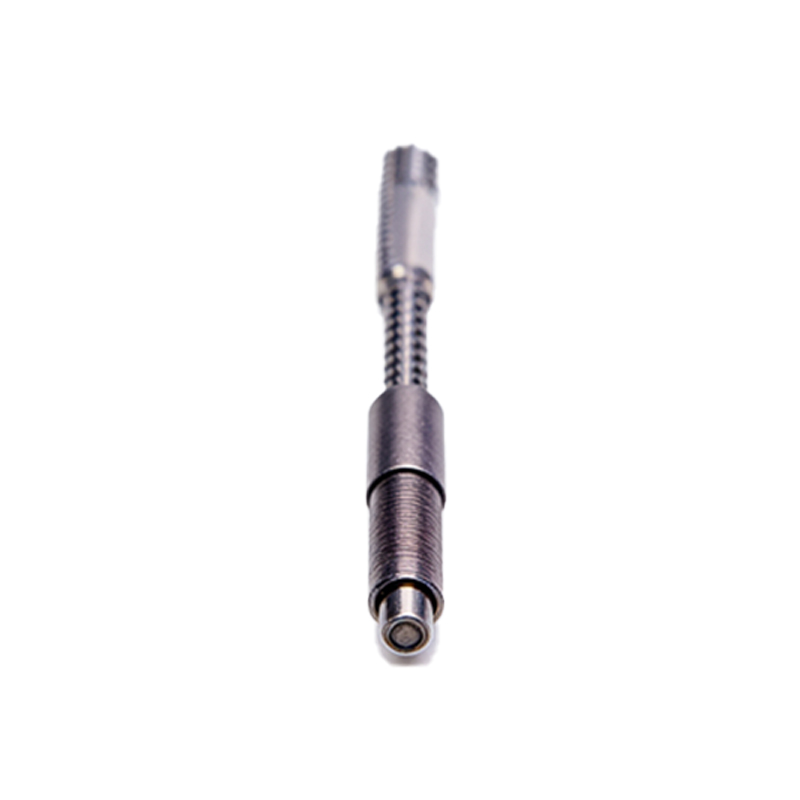
Even the best sensor can underperform without proper installation. In environments with high humidity or condensation, consider sensors with heated lenses or anti-fog coatings. For outdoor applications with extreme temperature variations, choose sensors with a wide operating temperature range (e.g., -40°C to 70°C). Regular cleaning of the emitter and receiver lenses is essential, as accumulated grime reduces penetration over time. Engineers should also account for the presence of electromagnetic interference (EMI), selecting sensors with robust shielding and modulation frequencies that avoid industrial noise.
Comparing Wavelengths: Infrared vs. Visible Red
While visible red sensors are easier to align due to their visible beam, infrared sensors are superior for penetration. For example, a typical IR through-beam sensor with a 950 nm wavelength can detect objects through up to 10 meters of heavy dust, whereas a red-light sensor might fail at 3 meters under the same conditions. However, in clean environments with short ranges (under 5 meters), red-light sensors can be cost-effective and offer faster response times. For applications requiring the highest penetration, such as in cement plants or foundries, IR-based models are the industry standard.
Maintenance and Alignment Tips for Long-Term Reliability
To maintain peak penetration performance, periodic alignment checks are crucial. Use laser alignment tools if available, especially for long-range installations. Ensure the emitter and receiver are precisely facing each other, as even a 0.5-degree misalignment can reduce effective range by 20%. Install protective shields to prevent direct spray from cleaning equipment or coolant. For sensors with adjustable gain, set the threshold to a moderate level to avoid false triggers from ambient light while maintaining sensitivity to weak signals through obstructions.
Conclusion: Selecting the Right Sensor for Your Needs
The best through-beam photoelectric sensor for penetration depends on your specific environmental challenges. For general industrial use with moderate dust, the Banner QS30 is a reliable and cost-effective option. For extreme conditions like heavy smoke or steam, invest in laser-based models such as the Keyence FU-67. Always prioritize sensors with infrared wavelengths and high optical power, and ensure proper installation and maintenance to maximize their lifespan. By following these guidelines, you can achieve consistent detection performance in even the most demanding applications.