Market Overview and Growth Drivers
The global photoelectric sensor market is projected to reach USD 4.8 billion by 2024, growing at a CAGR of 8.5% from 2023. This growth is driven by increasing automation in manufacturing industries, demand for precision sensing in robotics, and the expansion of IoT-enabled smart factories. Key sectors such as automotive, food and beverage, and logistics are adopting photoelectric sensors for object detection, counting, and positioning. The shift towards Industry 4.0 and the need for contactless, high-speed detection in harsh environments further boost market demand.
Regional Market Segmentation
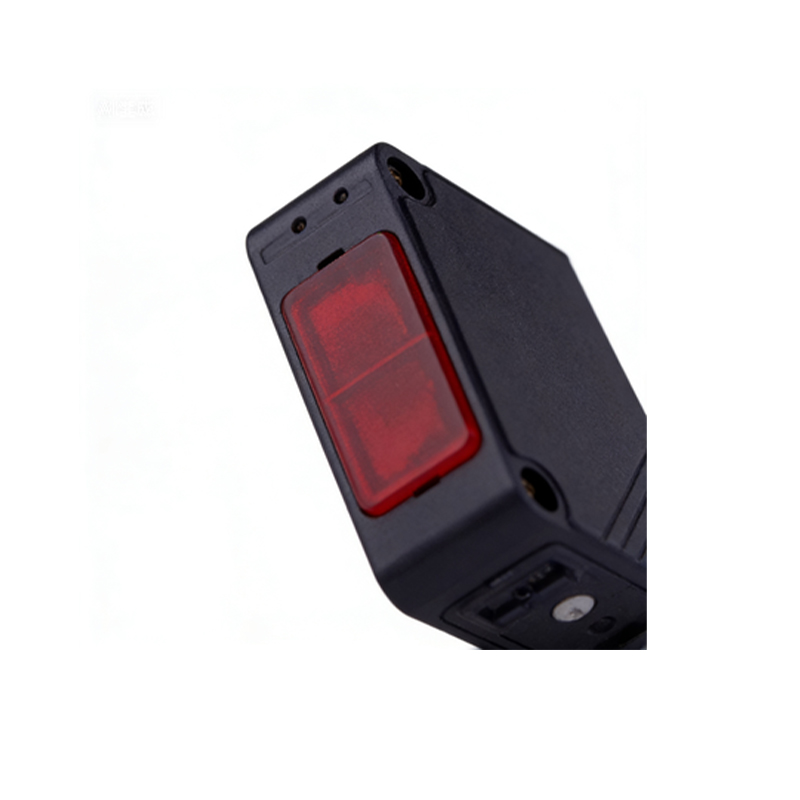
North America holds the largest market share at approximately 32%, propelled by advanced automation in the United States and Canada. Europe follows with 28%, led by Germany and the UK, where automotive and pharmaceutical industries rely heavily on photoelectric sensors. The Asia-Pacific region is the fastest-growing, expanding at a CAGR of 10.2%, driven by China, Japan, and South Korea. This growth is fueled by rapid industrialization, rising electronics manufacturing, and government investments in smart manufacturing infrastructure.
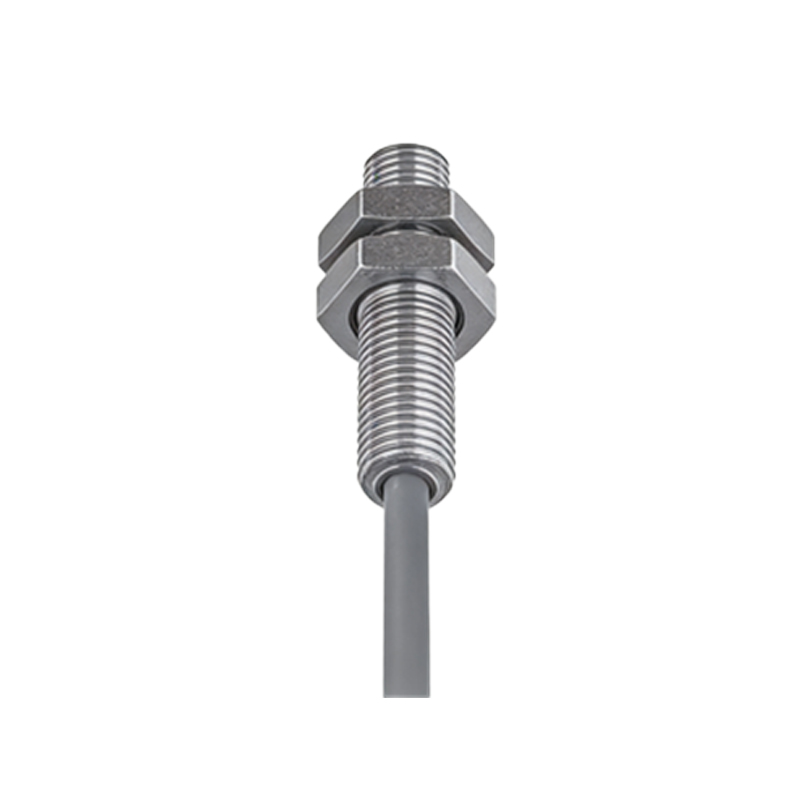
Technology Segments: Through-beam, Retro-reflective, and Diffuse
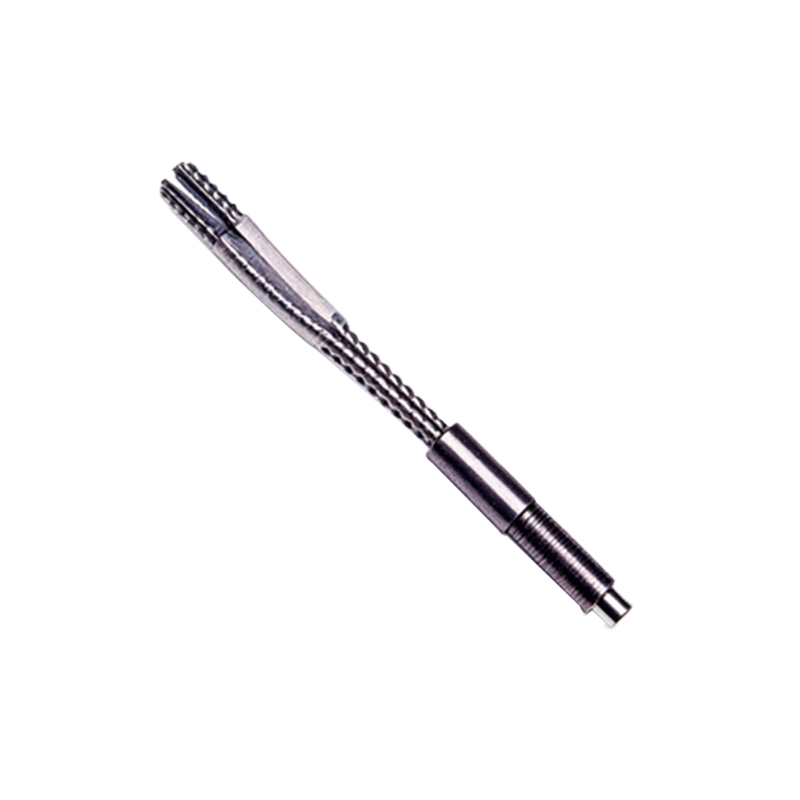
Through-beam sensors dominate the market, accounting for 40% of revenue due to their long-range and reliability in clean environments. Retro-reflective sensors hold 35%, favored for their moderate range and ease of installation. Diffuse sensors, with a 25% share, are gaining traction in applications requiring flexible detection of varying object surfaces, such as in packaging and material handling. Advancements in laser and fiber optic technologies are enhancing accuracy and reducing false triggers.
End-User Industry Applications
The automotive industry contributes 30% of market demand, using photoelectric sensors for assembly line automation, quality control, and safety systems. The packaging sector accounts for 22%, employing sensors for label detection and product counting. Logistics and warehousing are growing at 12% annually, driven by e-commerce and automated guided vehicles. The pharmaceutical and food industries require hygienic, washdown-resistant sensors, pushing innovation in stainless steel and IP69K-rated designs.
Competitive Landscape and Key Players
Major players include SICK AG, Keyence Corporation, Banner Engineering, and Omron Corporation, collectively holding over 55% market share. These companies focus on product innovation, such as IO-Link compatibility, which enables real-time data exchange and remote configuration. Strategic partnerships with automation solution providers and expansions in emerging markets are key strategies. Smaller players like Leuze electronic and Balluff are gaining ground through niche applications, such as miniature sensors for medical devices.
Challenges and Opportunities
Challenges include the high initial cost of advanced sensors and sensitivity to environmental factors like dust and ambient light. However, opportunities lie in the development of smart sensors with integrated diagnostics and wireless connectivity. The rise of collaborative robots and autonomous mobile robots will further drive demand for compact, reliable photoelectric sensors. Additionally, the trend towards miniaturization and energy efficiency opens doors for battery-operated wireless sensors in remote monitoring.
Future Outlook (2025-2030)
The market is expected to surpass USD 7.2 billion by 2030, with a CAGR of 7.8%. Key trends include the integration of artificial intelligence for predictive maintenance and the adoption of photoelectric sensors in emerging fields like agricultural automation and smart cities. As manufacturing becomes more data-driven, sensors with edge computing capabilities will become standard. The ongoing shift towards green manufacturing will also favor sensors with low power consumption and recyclable materials.