Introduction to Photoelectric Sensors in Pallet Truck Operations
In modern warehouse and logistics environments, pallet trucks (also known as hand pallet jacks or electric walkie stackers) play a crucial role in material handling. To enhance operational safety, reduce human error, and improve workflow efficiency, photoelectric sensors are increasingly integrated into these vehicles. These sensors use light beams to detect objects, distances, and obstacles without physical contact, offering a reliable solution for collision avoidance, load detection, and automated guidance. For electrical engineers working in industrial automation, understanding the principles, selection, and installation of these sensors is essential for maintaining high-performance systems.
Key Benefits of Photoelectric Sensors for Pallet Trucks
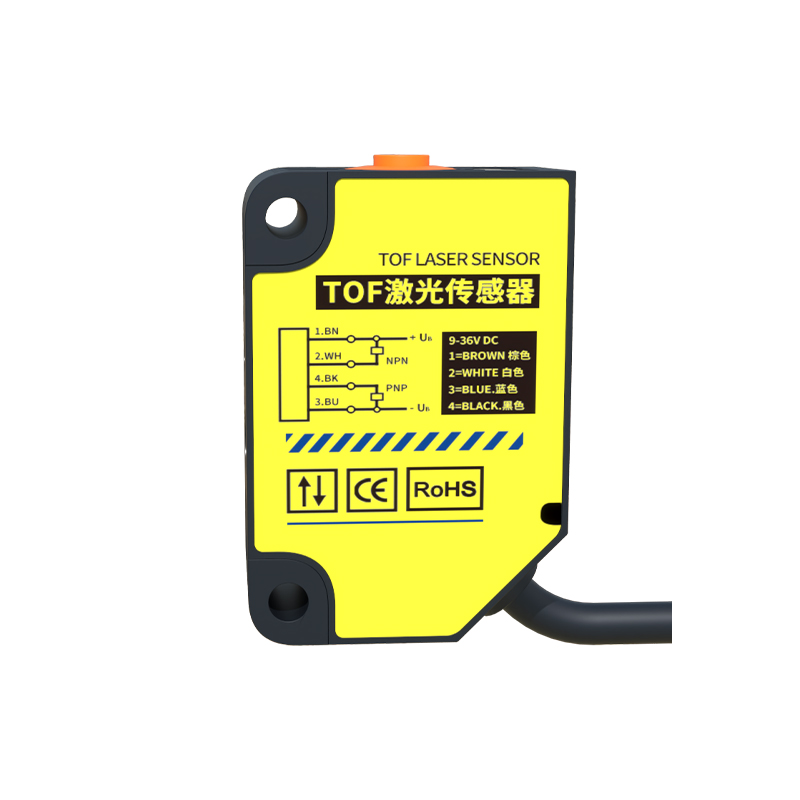
The primary advantage of photoelectric sensors is their non-contact detection capability, which eliminates wear and tear associated with mechanical limit switches. They provide precise distance measurement and object presence detection, even in challenging environments with dust, moisture, or fluctuating light conditions. For pallet trucks, this translates to reduced accident risks when maneuvering in narrow aisles, improved load handling accuracy, and enhanced battery life through optimized stop-and-go operations. Additionally, these sensors support integration with PLCs and wireless controllers, enabling data collection for predictive maintenance and fleet management.
Common Types and Their Applications
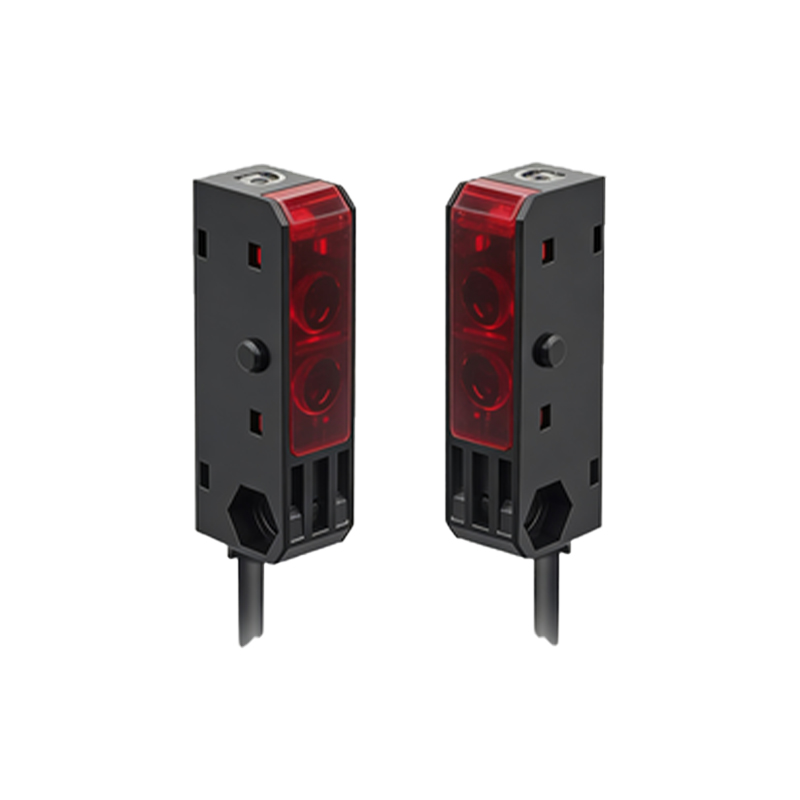
Three main types of photoelectric sensors are used in pallet truck systems: through-beam, retro-reflective, and diffuse-reflective sensors. Through-beam sensors consist of separate transmitter and receiver units, offering the longest detection range (up to 10 meters) and high immunity to contamination, making them ideal for detecting tall obstacles or pallet edges. Retro-reflective sensors use a single unit with a reflector, providing a balance of range and ease of installation—suitable for detecting load presence on forks. Diffuse-reflective sensors rely on the object itself to reflect light, best for short-range applications like proximity warning in tight spaces. Engineers must select the appropriate type based on factors like operating environment, target material, and mounting constraints.
Installation Considerations and Best Practices
Proper installation is critical for sensor performance. On pallet trucks, sensors are typically mounted on the front of the chassis or near the fork tips to monitor forward path and load status. Electrical engineers must ensure secure wiring to withstand vibration during operation, using shielded cables to minimize electromagnetic interference from motor drives. Alignment of through-beam and retro-reflective sensors requires precise calibration to avoid false triggers. Additionally, protective housings with IP67 or higher ratings are recommended for dusty or wet environments. Regular testing and cleaning of lenses should be included in maintenance schedules to maintain detection accuracy.
Integration with Control Systems and Safety Standards
Photoelectric sensors often interface with the truck's controller via digital or analog outputs. For safety-critical applications, such as automatic braking or speed limiting, sensors should be paired with safety-rated controllers that meet ISO 13849 or IEC 62061 standards. Engineers must design the logic to handle sensor failures gracefully, for example, by using redundant sensors or implementing fail-safe default states. The output signals can also be used to trigger alarms, record event logs, or synchronize workflows with warehouse management systems. Proper integration reduces downtime and ensures compliance with occupational safety regulations.
Future Trends and Conclusion
As Industry 4.0 evolves, photoelectric sensors are becoming smarter with built-in diagnostics, wireless connectivity, and machine learning capabilities. For pallet trucks, this enables adaptive speed control based on load weight and ambient light, as well as predictive alerts for component wear. Electrical engineers should stay informed about advances in LiDAR and time-of-flight sensors, which offer even higher precision for autonomous pallet trucks. In conclusion, the strategic deployment of photoelectric sensors is a cost-effective way to enhance safety, efficiency, and data-driven decision-making in material handling operations.