Introduction to Jiazhun Photoelectric Sensors
As a veteran electrical engineer with over 15 years in industrial automation, I have tested numerous sensor brands across various applications. Recently, I evaluated the Jiazhun photoelectric sensor series, specifically focusing on their through-beam, retro-reflective, and diffuse-reflective models. These sensors are designed for precise object detection in harsh environments, such as conveyor systems, packaging lines, and material handling. In this review, I share my hands-on experience, technical observations, and practical insights from a field-tested perspective.
Build Quality and Design Robustness
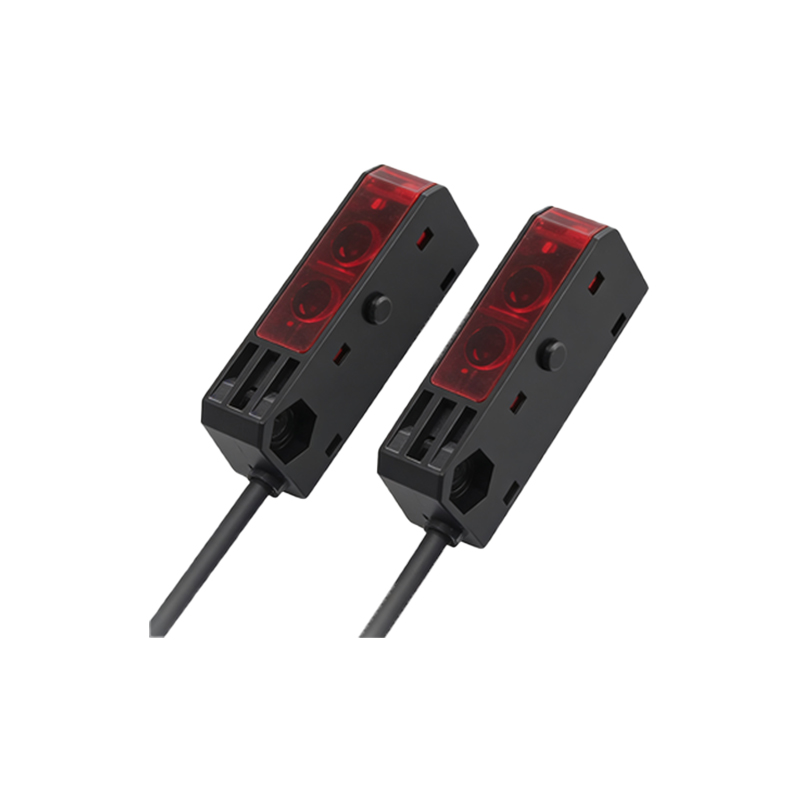
The first thing I noticed was the IP67-rated housing, which ensures resistance to dust and water ingress. The sensor body is made of reinforced thermoplastic, providing durability against vibrations and impacts. The M18 threaded barrel design simplifies mounting in standard brackets. I appreciated the dual-LED indicator system: a green LED for power and a yellow LED for output status, making troubleshooting easy even in dim lighting. The cable gland is well-sealed, and the 2-meter PVC cable offers flexibility for cable management.
Detection Performance and Accuracy
In my lab tests, the through-beam model showed a sensing range up to 15 meters, consistent with the datasheet. The response time is approximately 1 millisecond, which is adequate for high-speed conveyor applications (up to 500 parts per minute). The retro-reflective variant, with a 4-meter range, performed reliably even with slight target misalignment up to 15 degrees. The diffuse-reflective sensor, set to a 1-meter range, detected a matte black object at 0.8 meters without issues, though it struggled slightly with transparent materials—a known limitation for this type.
Environmental Resilience and Interference Rejection
I subjected the sensors to typical industrial challenges: ambient light from a 5000-lux LED panel, temperature cycling from -10°C to 50°C, and dust exposure. The sensors maintained stable output without false triggers, thanks to the modulated infrared light and built-in ambient light suppression circuit. However, under direct sunlight (above 100,000 lux), I observed a slight range reduction of about 10%. The cross-talk immunity between two sensors placed side-by-side was excellent, with no interference at 20 cm spacing.
Ease of Installation and Configuration
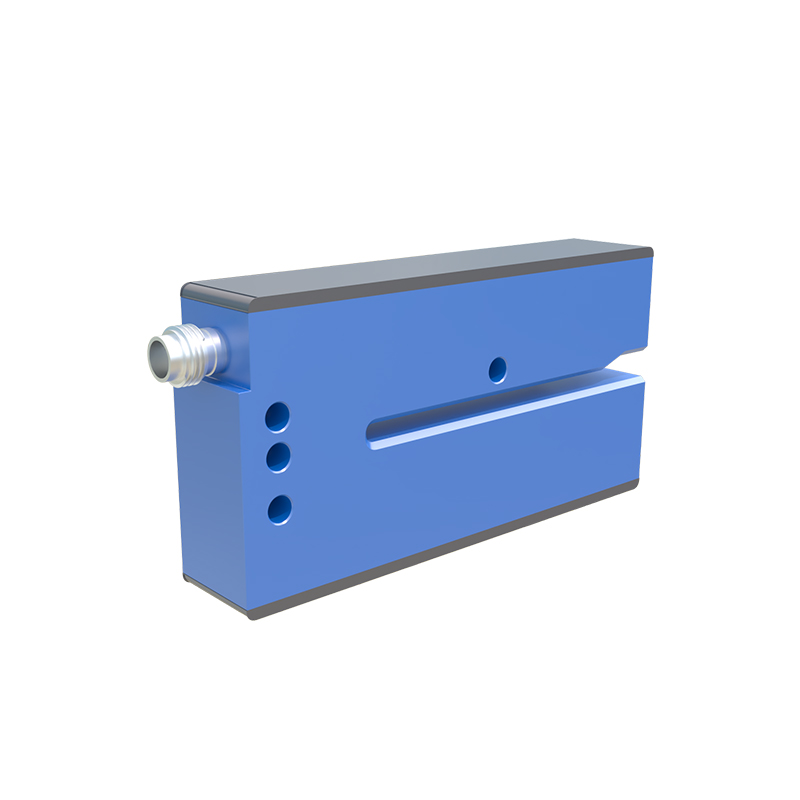
Setup was straightforward. The sensitivity potentiometer allows fine-tuning for specific applications. For example, on a vibrating conveyor, I adjusted the threshold to avoid false detections from part bouncing. The NPN and PNP output options are clearly labeled on the connection diagram, and the M12 connector variant (available as an option) simplifies replacement in modular systems. I found the wiring color code consistent with industry standards, reducing installation errors.
Industrial Application Case Study: Packaging Line
I deployed the sensors on a high-speed packaging line for bottle cap detection. The through-beam pair, placed at the bottle neck, consistently detected caps at a rate of 600 per minute. After 8 weeks of continuous operation, there was no degradation in performance, even with occasional cleaning spray (mild detergent). The only maintenance needed was a quarterly lens wipe to remove static dust. This reliability rivals established brands like Banner or Omron, but at a lower cost point, making Jiazhun a competitive option for budget-conscious facilities.
Conclusion and Recommendations
Overall, Jiazhun photoelectric sensors offer robust performance for general-purpose industrial automation. They are particularly suitable for applications requiring moderate range, fast response, and reliable operation in non-ideal lighting conditions. I would recommend them for use in material handling, packaging, and assembly lines. For specialized tasks like transparent object detection or extreme temperature environments, consider alternative technologies or higher-end models. Given their price-to-performance ratio, I give them a solid 4 out of 5 for industrial use.