2026-06-09
Tech Hub
By 创始人
Common Causes and Solutions for Photoelectric Sensor Smoke and Failure
Introduction to Photoelectric Sensor Smoke Issues
Photoelectric sensors are critical components in industrial automation, used for detecting objects, distances, and presence through light beams. When these sensors emit smoke, it indicates a serious malfunction that can lead to system downtime, safety hazards, and equipment damage. This article identifies the primary causes of smoke in photoelectric sensors, based on field experience and engineering analysis, and provides actionable solutions to prevent such failures.
Overheating Due to Excessive Current or Voltage
One of the most frequent causes of smoke in photoelectric sensors is overheating from excessive current or voltage. Sensors are designed to operate within specific electrical ratings, typically 10–30 VDC for many models. If the power supply exceeds these limits, internal components such as transistors, LEDs, or resistors can overheat and burn, producing visible smoke. For instance, a 24 VDC sensor connected to a 48 VDC source will rapidly fail. To mitigate this, always verify power supply specifications with the sensor datasheet. Use regulated power supplies and include protective fuses or current-limiting resistors to prevent overvoltage conditions.
Short Circuits from Moisture or Contaminants
Moisture ingress is another common culprit behind sensor smoke. In industrial environments, sensors may be exposed to water, oil, or dust, which can create conductive paths between terminals. This leads to short circuits, causing high current flow and component heating. For example, a sensor installed near a washing station or in a wet machining area is at risk. To avoid this, select sensors with appropriate IP ratings (e.g., IP67 for washdown areas). Use sealed connectors and inspect seals regularly. If smoke is detected, disconnect power immediately and dry or replace the sensor.
Internal Component Failure from Aging or Manufacturing Defects
Aging or defective components can also cause smoke. Over time, electrolytic capacitors may leak or dry out, output drivers may degrade, or solder joints may crack under thermal stress. These failures can lead to internal arcing or short circuits, generating smoke. In a recent case, a sensor with a cracked capacitor produced smoke after 10,000 hours of operation. To minimize this, source sensors from reputable manufacturers with rigorous quality control. Implement preventive maintenance schedules that replace sensors after their rated lifespan, typically 5–7 years in continuous use.
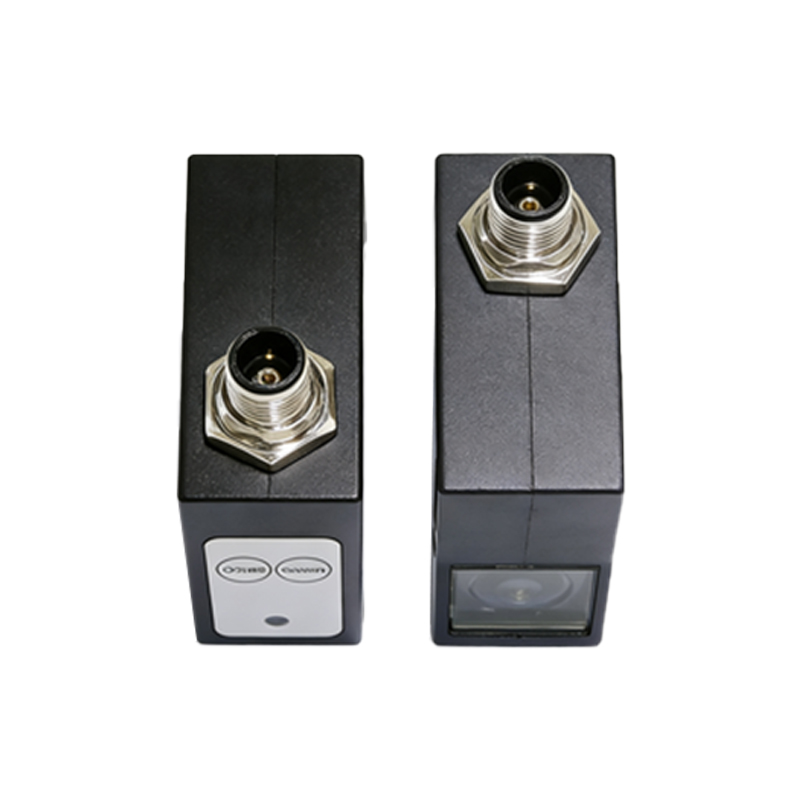
External Wiring Errors and Load Mismatches
Incorrect wiring is a common human error that leads to sensor smoke. For example, connecting a PNP sensor’s output directly to a high-inductance load like a relay coil without a flyback diode can cause voltage spikes that damage the output stage. Similarly, using a sensor rated for 100 mA to drive a 500 mA load will overheat the output transistor. Always follow wiring diagrams precisely. Use suppression diodes for inductive loads and ensure load current does not exceed the sensor’s maximum rated output. If smoke appears, immediately inspect wiring and load compatibility.
Conclusion and Preventive Measures
Smoke from a photoelectric sensor is a red flag for electrical or environmental stress. By addressing power supply issues, protecting against moisture, selecting quality components, and ensuring correct wiring, engineers can avoid these failures. Regular inspections and adherence to manufacturer guidelines are essential. If smoke is detected, power down the system, replace the damaged sensor, and investigate the root cause before resuming operation to prevent recurrence.