Introduction to Photoelectric Sensors
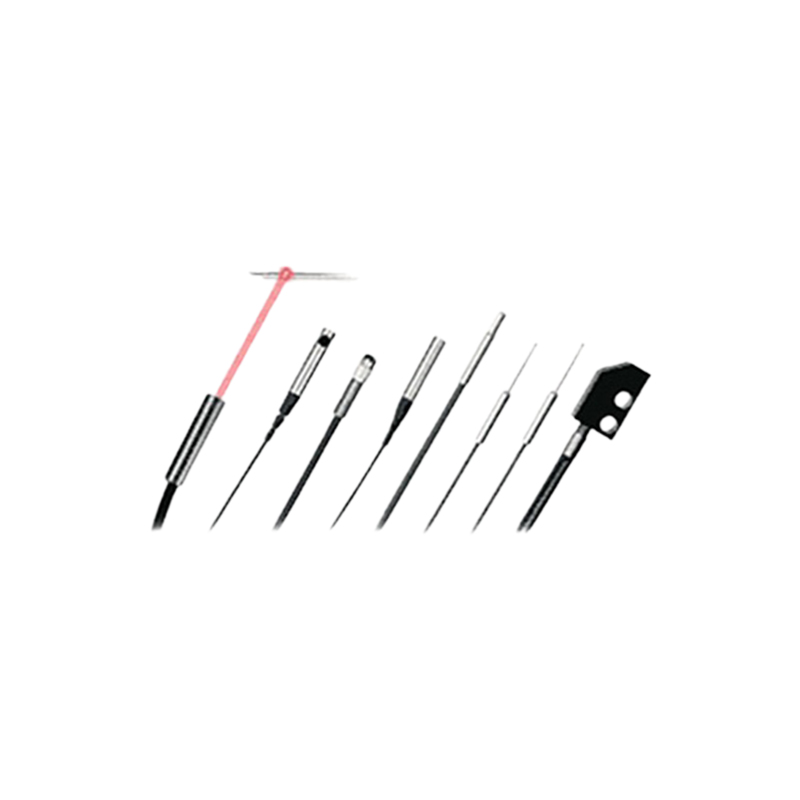
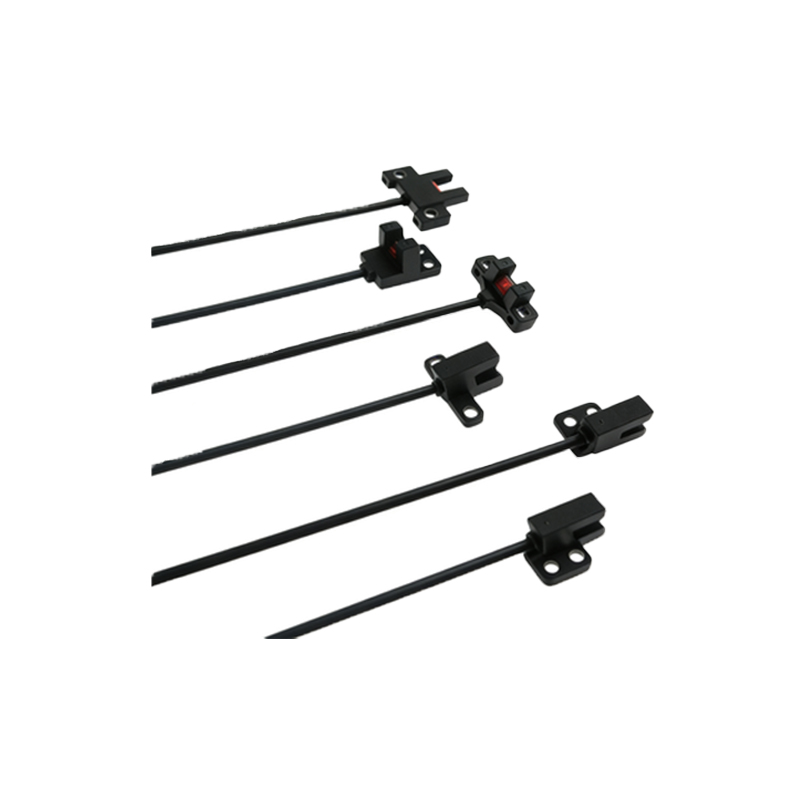
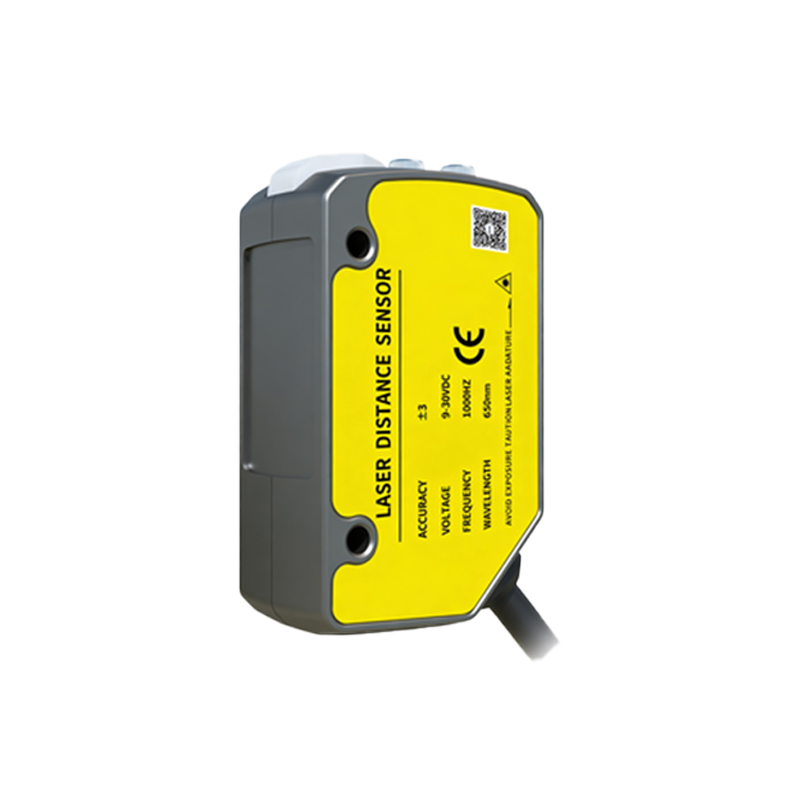
Photoelectric sensors are devices that detect the presence, absence, or distance of objects using light beams, typically infrared or visible light. They operate by emitting a light signal and measuring the reflection or interruption caused by a target object. These sensors are widely used in manufacturing lines for positioning, counting, and quality control due to their non-contact nature and high precision.
Overview of Motors in Industrial Systems
Motors, such as AC induction motors, DC motors, or servo motors, convert electrical energy into mechanical motion. They drive machinery like conveyors, pumps, robotic arms, and fans. Motors are essential for providing rotational or linear force, enabling movement and power in automated systems. Their performance is characterized by torque, speed, and efficiency.
Primary Functional Difference
The core difference lies in their function: photoelectric sensors are sensing devices that detect and measure, while motors are actuation devices that produce motion. Sensors provide feedback or trigger actions, but motors execute the physical work. For example, a sensor can detect a product moving on a belt, while a motor drives the belt itself.
Energy Conversion and Power
Photoelectric sensors require low electrical power (usually 10-30 VDC) and consume minimal energy for light emission and signal processing. Motors, in contrast, consume significant electrical power to generate torque, ranging from watts to kilowatts. Motors convert electrical energy into mechanical energy, while sensors only process signals.
Application in Control Loops
In a closed-loop control system, photoelectric sensors often serve as feedback elements, sending data to a controller like a PLC. The controller then adjusts the motor's speed or position. For instance, in a packaging line, a sensor detects a box's arrival, and the motor starts the conveyor. Without sensors, motors would operate blindly, and without motors, sensors cannot move machinery.
Physical Construction and Components
Photoelectric sensors contain an emitter (like an LED) and a receiver (photodiode), along with optics and signal electronics. They are compact and have no moving parts for high reliability. Motors consist of rotors, stators, windings, bearings, and a housing, with moving parts requiring lubrication and maintenance against wear.
Response Time and Precision
Photoelectric sensors offer fast response times, often in microseconds, and can detect sub-millimeter changes. They are ideal for high-speed sorting or inspection. Motors have slower response due to mechanical inertia, with precision dependent on servo control; for example, servo motors can achieve millisecond-level acceleration, but not as fast as sensor detection.
Environmental and Wear Considerations
Sensors are typically sealed against dust and moisture (IP67 rated) and have long lifespans as they lack moving parts. Motors are more susceptible to heat, vibration, and brush wear (in DC motors), requiring periodic maintenance. Sensors can fail due to lens contamination, while motors fail from bearing fatigue or winding burnout.
Cost and System Integration
Photoelectric sensors are generally low-cost components, ranging from $20 to $200, and integrate easily with digital I/O. Motors are more expensive, from $100 to thousands, and require drive controllers, cables, and cooling systems. In a complete automation cell, the sensor adds low cost but high value in accuracy, while motors represent the major investment in power and motion.
Conclusion: Complementary Roles
Understanding these differences is crucial for system design. Photoelectric sensors and motors are not competitors but partners: sensors provide the eyes, motors provide the muscles. Choosing the right sensor and motor combination ensures efficient, reliable, and safe industrial automation.