In the world of industrial automation, consumer electronics, and safety systems, proximity sensors are the silent sentinels. These devices detect the presence or absence of an object within a specific range without any physical contact. This non-contact operation is their defining feature, leading to high reliability, long operational life, and minimal maintenance. The core principle involves emitting a field or beam and looking for changes in the field or return signal. The target object, often called the sensed object, can be metallic or non-metallic, depending on the sensor technology.
The landscape of proximity sensors is diverse, primarily categorized by their underlying detection technology. The most common types include inductive, capacitive, ultrasonic, and photoelectric sensors.
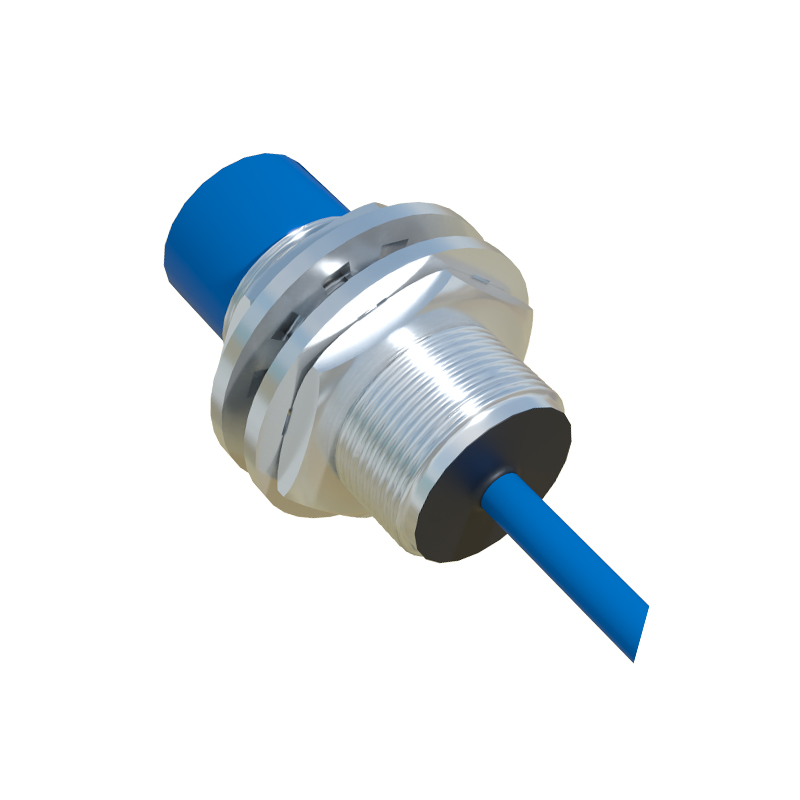
Inductive proximity sensors are workhorses in manufacturing. They generate an electromagnetic field. When a metallic object enters this field, it induces eddy currents within the metal, causing a change in the sensor's oscillation amplitude. This change is detected, and the sensor switches its output state. They are exceptionally robust, ideal for detecting metals like steel, aluminum, or copper in harsh environments with dust, oil, or coolant. However, they are ineffective for non-metallic materials.
For non-metallic targets—such as plastic, glass, wood, or liquids—capacitive proximity sensors are the solution. They function by generating an electrostatic field. Any object that enters this field alters its capacitance. Since all materials have dielectric properties different from air, they cause a detectable change. This makes capacitive sensors versatile for level detection in tanks (e.g., detecting liquid or powder), and for sensing materials through non-metallic container walls.
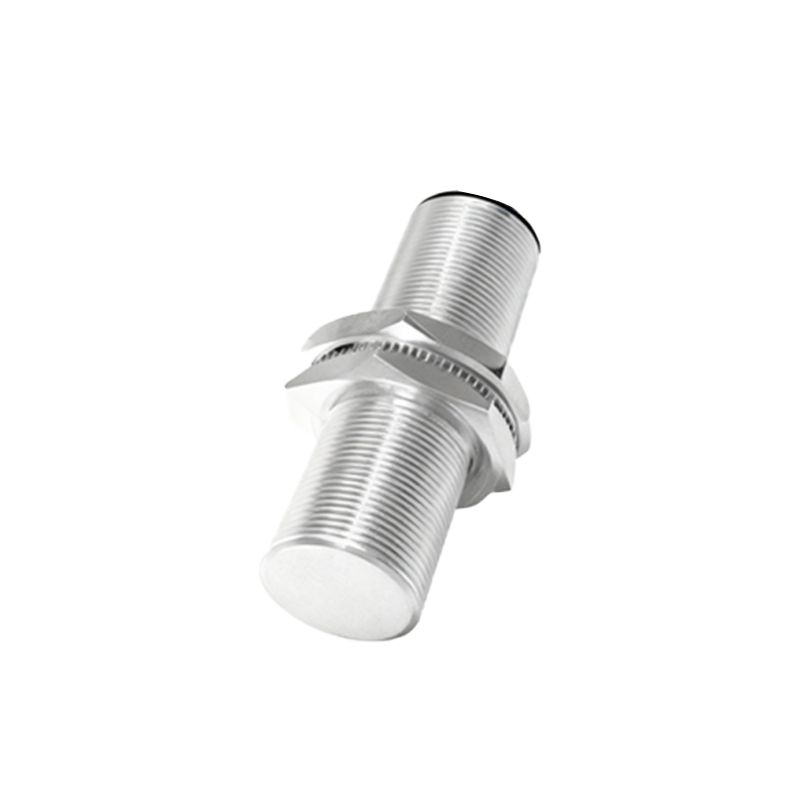
Photoelectric sensors use light, typically infrared or laser, to detect objects. They consist of an emitter and a receiver. There are three main configurations: through-beam (where the object breaks a beam between separate emitter and receiver units), retro-reflective (the object breaks a beam reflected back from a reflector), and diffuse (the sensor detects light reflected directly off the object itself). They offer the longest sensing ranges and can detect virtually any material, but their performance can be affected by environmental factors like dust, fog, or highly reflective target surfaces.
Ultrasonic proximity sensors operate like sonar. They emit high-frequency sound waves and measure the time it takes for the echo to return. The distance to the object is calculated based on the speed of sound. These sensors are excellent for precise distance measurement and can detect a wide variety of objects regardless of color, transparency, or material. They perform well in challenging environments with dust or steam, where photoelectric sensors might struggle, but can be influenced by temperature variations and soft, sound-absorbing materials.
Selecting the right proximity sensor requires careful consideration of several application parameters. First, identify the target material: metal, plastic, liquid, etc. Next, determine the required sensing distance or range, always consulting the sensor's datasheet for rated operating distance under standard conditions. The operating environment is critical—consider factors like temperature extremes, presence of washdown chemicals, dust, or vibration. Electrical requirements, such as the supply voltage (e.g., 10-30V DC) and output type (PNP/NPN, normally open/normally closed), must match the control system. Finally, physical characteristics like housing style (cylindrical, rectangular), size, and connection method (pre-wired, connector) are chosen for easy integration.
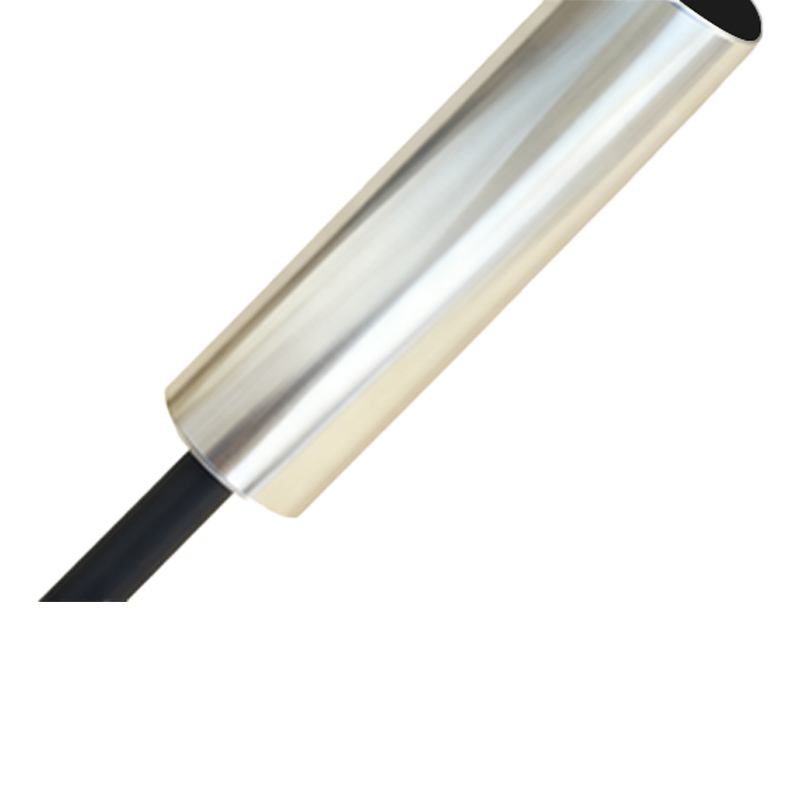
Applications are ubiquitous. In automotive assembly, inductive sensors count gears or verify piston presence. In packaging lines, photoelectric sensors ensure correct carton placement. Capacitive sensors monitor fluid levels in food processing. Ultrasonic sensors guide automated guided vehicles (AGVs) and control stacking height in warehouses. In consumer devices, miniature inductive or capacitive sensors enable smartphone features like screen blanking during a call or touchless gesture control.
Understanding these fundamentals empowers engineers and technicians to specify and implement the optimal proximity sensing solution. The correct choice enhances system efficiency, ensures safety, and reduces downtime, making these components indispensable in modern automated systems.