Introduction to Photoelectric Sensors
Photoelectric sensors are essential components in modern industrial automation, converting light signals into electrical outputs to detect objects, distances, or material properties. These devices utilize a light emitter (typically LED or laser) and a receiver (photodiode or phototransistor) to sense changes in light intensity, making them ideal for non-contact detection in harsh environments. For engineers, understanding their operational principles, variations, and application constraints is critical for system design and troubleshooting.
Core Operating Principles
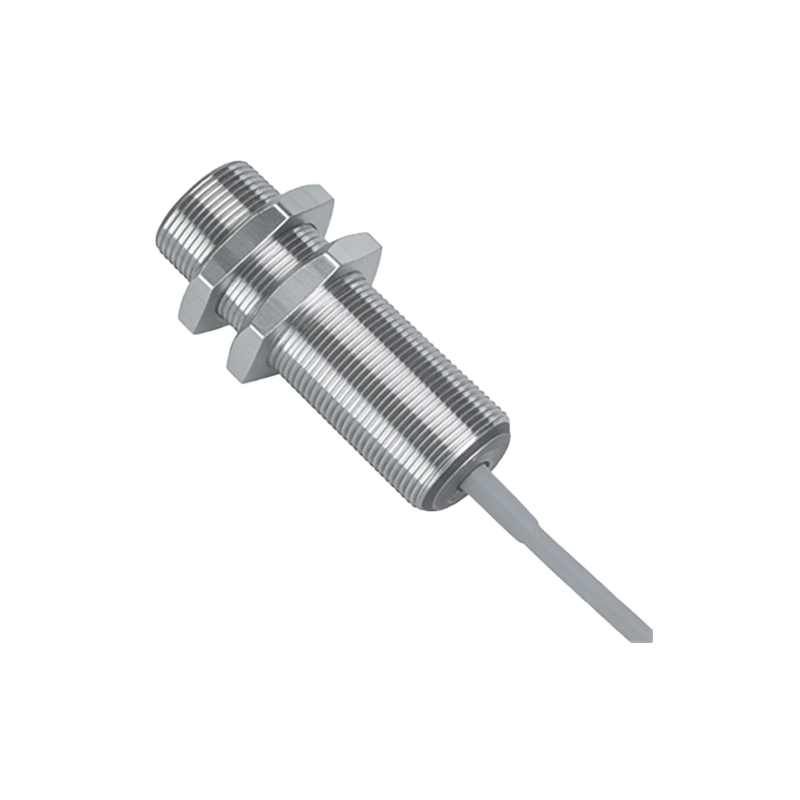
The fundamental principle involves emitting a beam of light and measuring its reflection or interruption. The sensor operates based on three main modes: through-beam, retro-reflective, and diffuse. In through-beam mode, the emitter and receiver are separate; an object breaks the light path. Retro-reflective sensors use a reflector to bounce light back, while diffuse sensors rely on light reflected directly off the target. Each mode offers distinct advantages in terms of range, accuracy, and immunity to environmental interference.
Key Performance Parameters
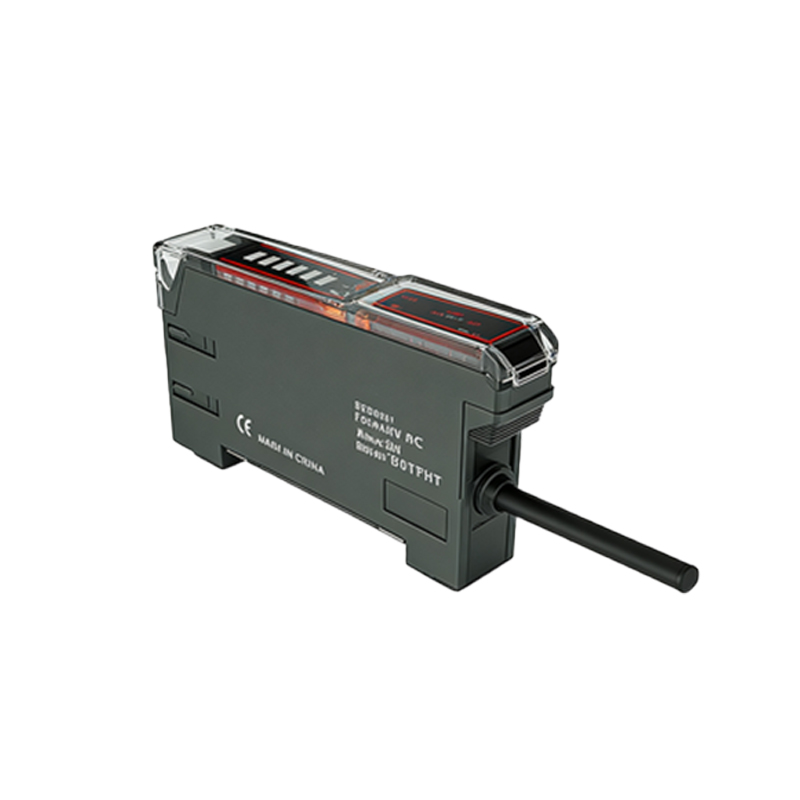
When selecting a photoelectric sensor, engineers must evaluate parameters like sensing distance, response time, light source wavelength, and ambient light immunity. For example, laser-based sensors provide longer ranges (up to 60 meters) and precise spot sizes, while infrared sensors are less sensitive to dust or fog. Response time, often in microseconds to milliseconds, determines suitability for high-speed applications. Additionally, sensors with built-in background suppression or adjustable sensitivity enhance reliability in complex environments.
Common Application Scenarios
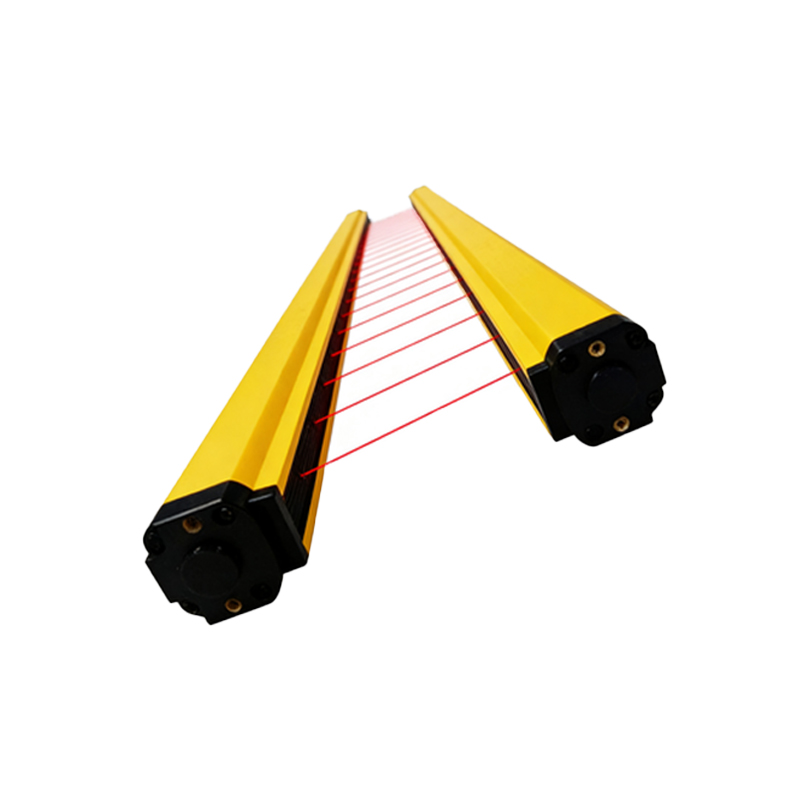
Photoelectric sensors are ubiquitous in packaging lines for bottle or label detection, in material handling for conveyor belt monitoring, and in automotive assembly for part presence verification. In food processing, stainless steel housings and IP69K ratings allow operation in washdown zones. For safety applications, specialized sensors (e.g., safety light curtains) guard hazardous machinery by detecting operator intrusion. Understanding these contexts helps engineers choose appropriate sensor families, such as fiber-optic or photoelectric arrays.
Troubleshooting and Maintenance Tips
Common issues include false triggers due to reflective backgrounds, sensor misalignment, or lens contamination from oil or moisture. Engineers should periodically clean lens surfaces with approved solvents, verify alignment using alignment tools, and check for temperature drift that affects LED output. In fiber-optic sensors, inspect the cable for cracks. Also, consider using sensors with auto-calibration or diagnostic LEDs to simplify maintenance. For mission-critical lines, redundant sensor configurations can prevent downtime.
Future Trends in Photoelectric Sensing
The industry is moving toward smart sensors with IO-Link communication for real-time data feedback, predictive diagnostics, and remote configuration. Miniaturization allows integration into compact robotics, while multi-wavelength sensors enable color or contrast detection. Advances in solid-state components enhance durability against vibration and extreme temperatures. For engineers, staying updated with these trends ensures optimal system upgrades and robust automation design.