Introduction to Bipolar Photoelectric Sensors
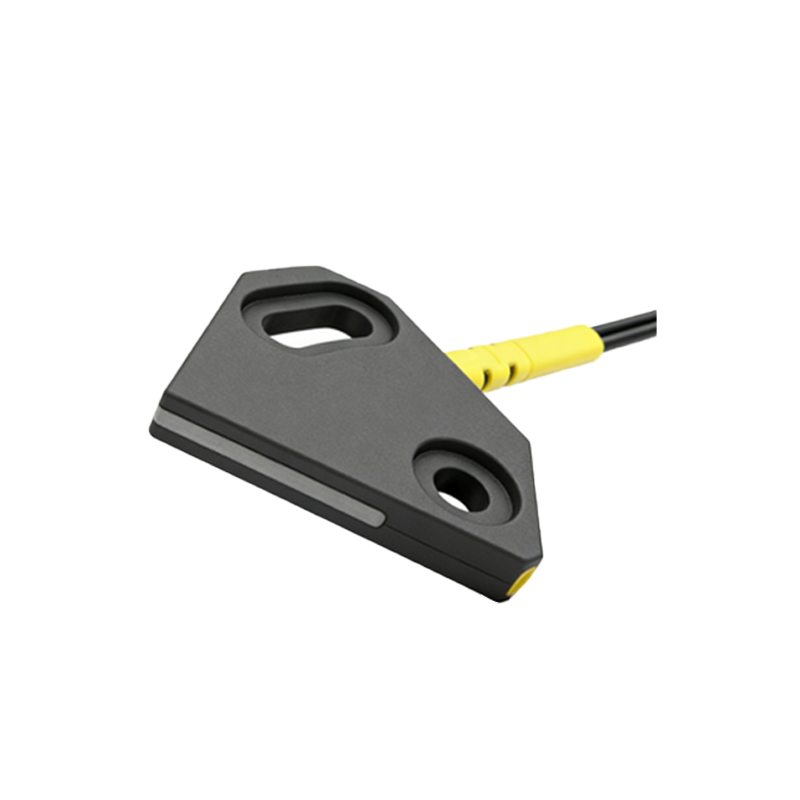
Bipolar photoelectric sensors are advanced detection devices widely used in industrial automation. Unlike standard sensors, they feature both NPN and PNP outputs, allowing seamless integration with various control systems. This dual-output capability makes them highly versatile for applications requiring flexibility in signal polarity, such as PLC interfaces and relay circuits. Their robust design ensures reliable performance in harsh environments, including dusty or wet conditions.
Working Principle and Key Features
These sensors operate by emitting a light beam (infrared or visible) and detecting changes in the received light intensity. The bipolar output configuration provides two separate switching signals, enabling connection to both sinking (NPN) and sourcing (PNP) inputs without additional converters. Key features include adjustable sensitivity, long detection ranges up to 20 meters, and fast response times below 1 millisecond. This makes them ideal for high-speed production lines and precise object counting tasks.
Common Applications in Manufacturing
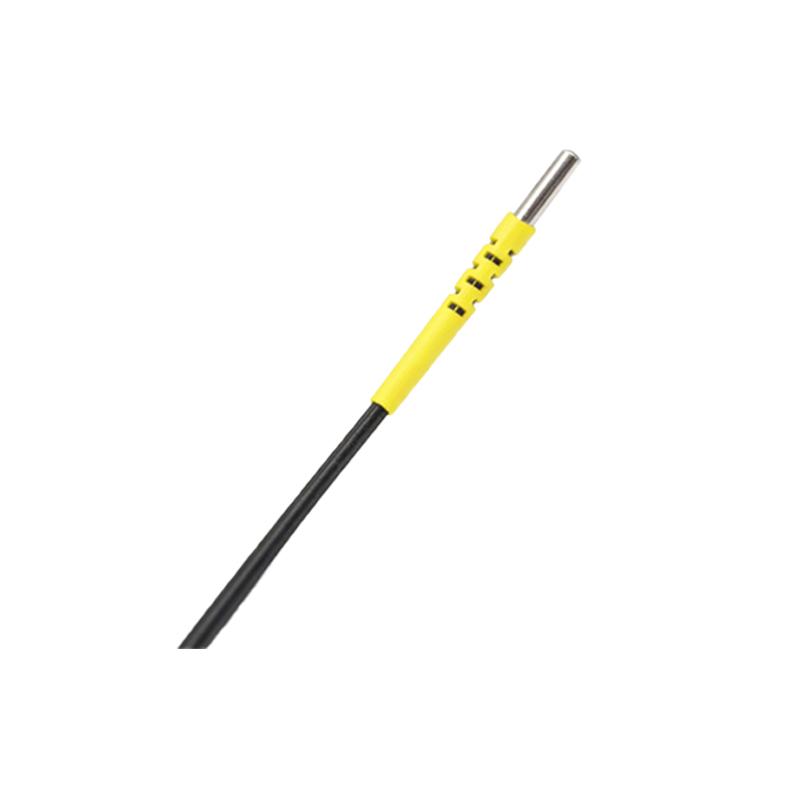
In manufacturing, bipolar photoelectric sensors are used for presence detection, positioning, and quality control. For example, in packaging systems, they verify the correct placement of bottles or boxes on conveyor belts. In automotive assembly, they monitor part alignment during robotic welding. Their bipolar output simplifies wiring in mixed-voltage systems (e.g., 24V DC and 12V DC), reducing installation errors and maintenance costs.
Selection Criteria for Industrial Environments
Choosing the right sensor involves considering factors like sensing distance, ambient light interference, and target material. For transparent objects, retro-reflective models with polarized filters are recommended. For dusty areas, through-beam sensors offer higher immunity to contaminants. Always verify the output type (NPN/PNP) matches your controller’s input requirements. Additionally, select sensors with IP67 or higher ratings for washdown or outdoor applications.
Installation and Troubleshooting Tips
During installation, ensure the sensor and reflector are aligned within the specified beam angle. Use shielded cables to minimize electromagnetic interference from nearby motors. If false triggers occur, adjust the sensitivity potentiometer or enable hysteresis settings. Common issues include misalignment, dirty lenses, or voltage drops over long cable runs—check power supply stability and clean optics regularly to maintain optimal performance.
Advantages Over Single-Output Sensors
Bipolar sensors reduce inventory complexity by replacing both NPN and PNP models. They also facilitate system upgrades, as the same sensor can work with legacy and modern controllers. This flexibility leads to lower spare parts stock and faster troubleshooting. For global equipment suppliers, using bipolar sensors simplifies product compliance with diverse regional standards (e.g., European vs. North American PLCs).
Future Trends in Photoelectric Sensing
Emerging technologies include IO-Link communication for remote parameter adjustments and enhanced data diagnostics. Bipolar sensors with integrated smart features can now provide real-time feedback on signal strength and contamination levels. As Industry 4.0 expands, these sensors will play a crucial role in predictive maintenance and automated quality assurance systems, further improving production efficiency.