Understanding Infrared Photoelectric Sensor Counters
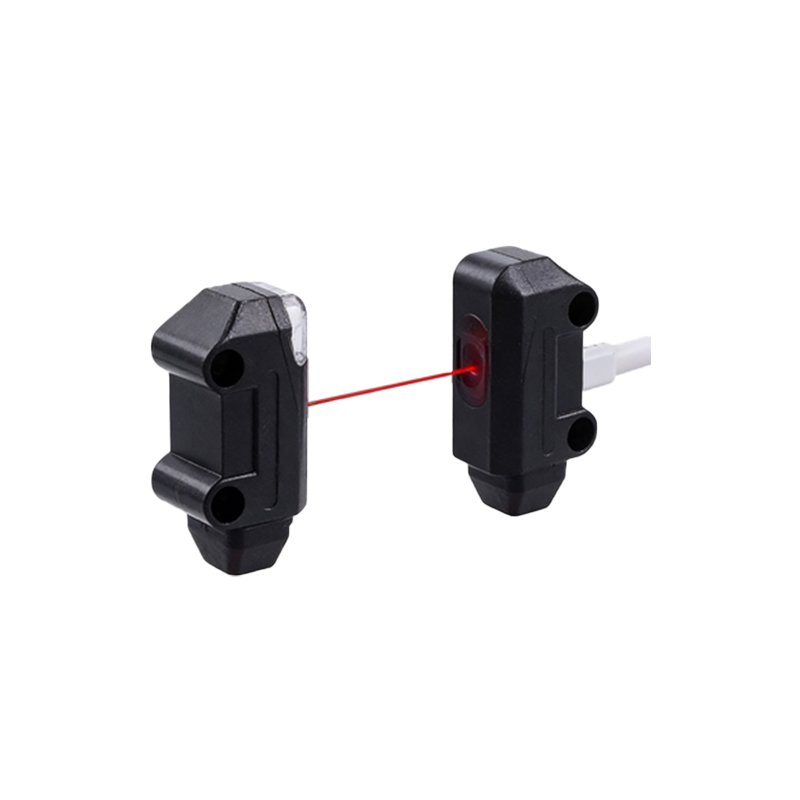
Infrared photoelectric sensor counters are essential components in modern industrial automation systems. These devices utilize infrared light beams to detect objects, count units, and monitor production lines with high accuracy. Unlike traditional mechanical counters, they offer non-contact detection, reducing wear and tear and ensuring long-term reliability. The core principle involves an emitter that sends an infrared beam to a receiver; when an object interrupts the beam, the sensor registers one count. This technology is widely adopted in manufacturing, packaging, and logistics industries due to its speed and precision.
Key Components and Working Mechanism
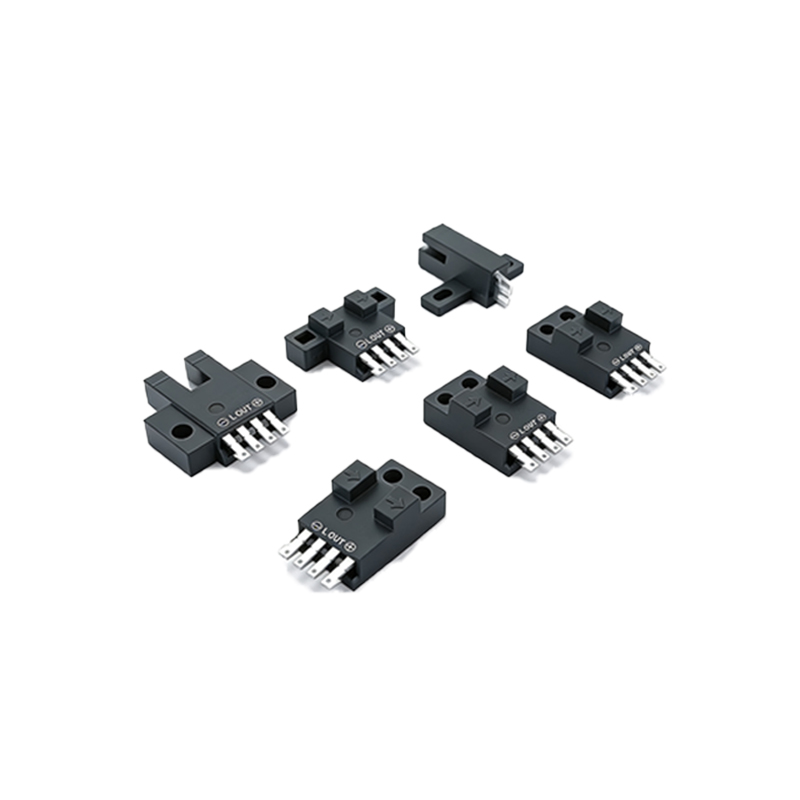
The typical infrared photoelectric sensor counter consists of three main parts: an infrared LED emitter, a photodetector receiver, and a control logic unit. The emitter generates modulated infrared light to minimize interference from ambient light. The receiver detects the reflected or interrupted signal, converting it into an electrical pulse. The control unit processes these pulses, increments the counter, and outputs data to a PLC or display system. For through-beam models, the emitter and receiver are placed opposite each other, while reflective models combine both in one housing, making installation flexible for various conveyor systems.
Applications in Industrial Environments
Infrared photoelectric sensor counters excel in high-speed production lines, such as bottling plants, automotive assembly, and electronic component sorting. For example, in a beverage bottling facility, these sensors count bottles moving at speeds exceeding 1,000 units per minute, ensuring accurate inventory tracking. They also detect transparent or reflective objects that challenge other sensor types. In automated warehouses, they monitor pallet flow and prevent jams. Their rugged design, often rated IP67, withstands dust, moisture, and vibration, making them ideal for harsh factory floors.
Advantages Over Alternative Counting Methods
Compared to ultrasonic or capacitive sensors, infrared photoelectric counters offer superior response times (as fast as 0.1 milliseconds) and longer detection ranges (up to 30 meters). They are immune to electromagnetic interference, common in motor-driven equipment, and require minimal maintenance. Unlike mechanical counters, they eliminate physical contacts, reducing downtime from jams or wear. Their digital output integrates seamlessly with Industry 4.0 systems, enabling real-time data logging and predictive maintenance. This translates to lower operational costs and higher throughput for manufacturers.
Installation and Calibration Best Practices
Proper installation is critical for optimal performance. Align the emitter and receiver precisely to avoid false counts from misalignment or environmental factors like fog or dust. Use brackets with vibration-dampening mounts for conveyor systems. Calibrate the sensitivity threshold to ignore small debris but detect target objects consistently. For reflective models, ensure the background is non-reflective to prevent ghost counts. Regularly clean the lens surfaces with a lint-free cloth and check cable connections for corrosion. Following these steps extends sensor life and maintains counting accuracy.
Future Trends in Infrared Counting Technology
Advancements in infrared photoelectric sensor counters include integration with AI for object recognition and anomaly detection. Smart sensors now feature self-diagnostics, alerting operators to lens contamination or signal degradation. Emerging designs incorporate IoT connectivity, allowing remote monitoring via dashboards. Additionally, multi-beam arrays enable counting of overlapping or irregularly shaped objects, such as bulk components in bins. These innovations will further enhance efficiency in smart factories, where zero-defect manufacturing and real-time traceability are paramount.
Conclusion: Enhancing Production Efficiency
Infrared photoelectric sensor counters are a cornerstone of industrial automation, offering unmatched reliability, speed, and versatility. By adopting these devices, engineers can optimize production lines, reduce waste, and achieve precise inventory control. Whether for simple part counting or complex logistics tracking, this technology delivers measurable ROI. As industries evolve toward fully autonomous systems, infrared counters will remain a critical tool for maintaining competitive advantage.