Introduction to Fiber Optic Parallel Reflection Sensors
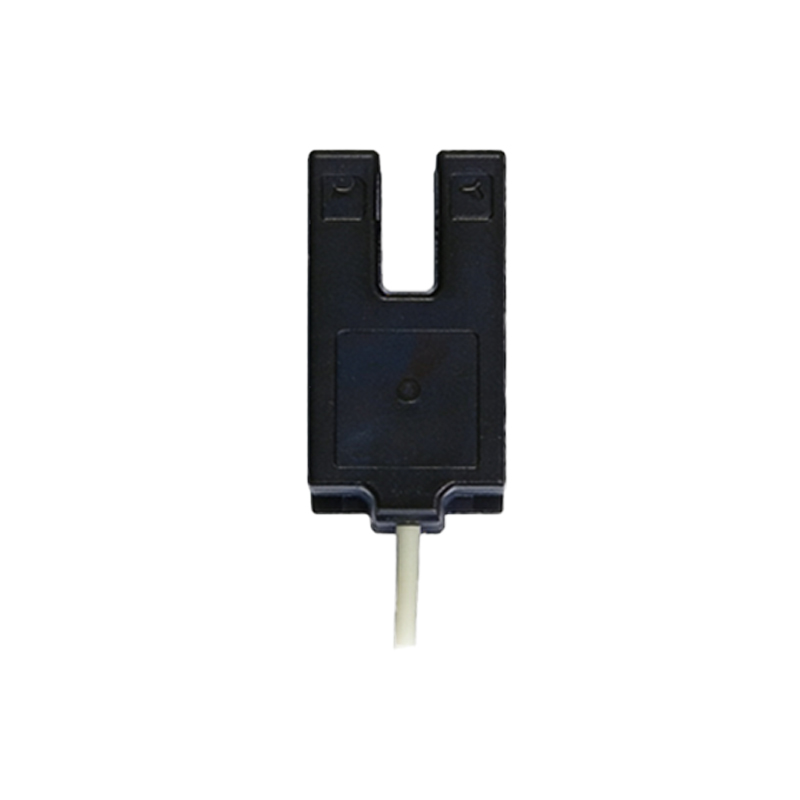
Fiber optic parallel reflection photoelectric sensors are critical components in modern industrial automation, particularly in applications requiring precise object detection in confined or harsh environments. Unlike traditional through-beam or diffuse sensors, these devices utilize a parallel reflection design where the emitter and receiver are aligned in a single housing, using fiber optic cables to transmit and receive light. The fiber optic cable is flexible, allowing the sensor head to be placed in tight spaces while the main electronics remain remote. This configuration minimizes installation complexity and enhances reliability in dusty, wet, or explosive atmospheres. The parallel reflection principle ensures that the sensor detects objects by measuring the reflected light intensity from a target, making it ideal for detecting transparent, shiny, or small objects that challenge other sensor types.
Key Operating Principles
The core principle of a parallel reflection photoelectric sensor involves a light source, typically an LED or laser diode, that emits a beam through a fiber optic cable. The light exits the fiber at the sensor head, reflects off a target object, and re-enters a separate fiber optic cable, which channels it back to a photodiode receiver. The "parallel" aspect refers to the alignment of the emitter and receiver fibers being parallel, ensuring that the reflected light is captured efficiently, even from objects at varying distances. The sensor uses a time-of-flight or intensity-based analysis to determine object presence. For example, in a conveyor belt application, a bottle passing the sensor head will reflect a specific amount of light back, triggering a signal. The sensor's response is fast, often in microseconds, and can be adjusted for sensitivity to filter out background noise.
Advantages in Industrial Settings
Fiber optic parallel reflection sensors offer several advantages over conventional photoelectric sensors. First, the fiber optic cable is immune to electromagnetic interference (EMI), making them suitable for use near motors, welders, or RF generators. Second, the remote electronics can be housed in a control cabinet, reducing the risk of damage from heat, vibration, or chemicals. Third, these sensors are highly versatile: they can detect objects as small as 0.1 mm in diameter, or operate over distances up to several meters depending on the fiber and optics. Additionally, the parallel reflection design reduces false triggers caused by stray light or background reflections, as the sensor only responds to light returning from the exact fiber path. This is critical in applications like counting pills in pharmaceutical manufacturing or detecting labels on packaging lines.
Common Applications and Use Cases
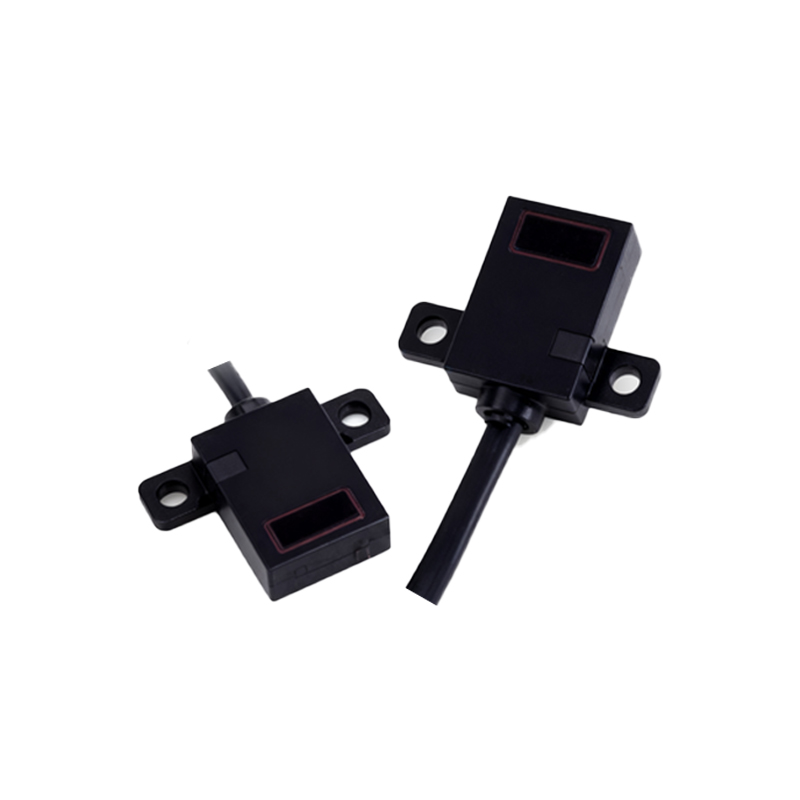
In practice, these sensors are widely used in industries such as automotive, food and beverage, semiconductor, and logistics. For instance, in an automotive assembly line, a fiber optic parallel reflection sensor can detect the presence of a bolt or washer in a fixture, ensuring quality control. In a food processing plant, the sensor's IP-rated housing and fiber optic tip can withstand washdown environments while detecting liquid levels in transparent containers. For semiconductor wafer handling, the sensor's small footprint allows it to fit into tight chamber spaces, detecting wafers without physical contact. Logistics systems use them to read barcodes or detect packages on high-speed sorters. The parallel reflection design is particularly beneficial for detecting glossy or mirrored surfaces, such as metal cans or plastic film, where standard sensors may fail due to specular reflection.
Installation and Calibration Best Practices
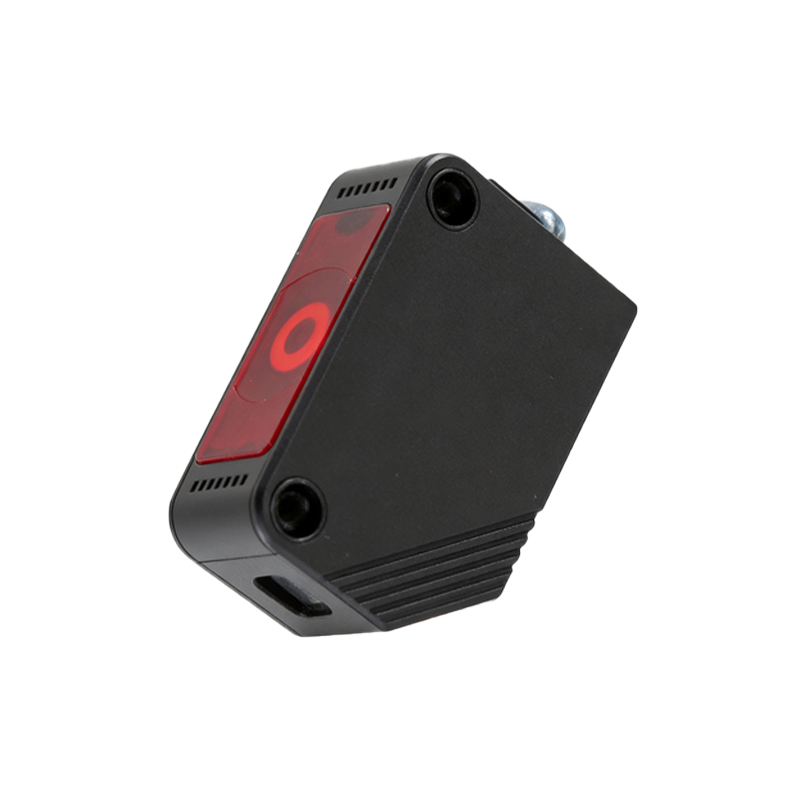
Proper installation is crucial for optimal performance. The sensor head should be mounted perpendicular to the target surface to ensure maximum reflectivity, though slight angles can be used for specific applications. The fiber optic cable must be routed without sharp bends exceeding the manufacturer's minimum radius, typically 25 mm, to prevent light loss. Calibration involves adjusting the sensitivity threshold to distinguish between the target and background. For parallel reflection sensors, this often requires a two-step process: first, setting a "no object" baseline, then defining a "object present" threshold. Many modern sensors offer automatic calibration via push-button or software tools. It is also essential to clean the fiber lens regularly, as dust or oil buildup can attenuate the light signal. In harsh environments, using a lens protector or air purge system extends sensor life.
Troubleshooting and Maintenance Tips
Common issues include false triggering, no output, or inconsistent detection. False triggering often results from stray light sources, such as sunlight or nearby sensors; shielding the sensor head or using a modulated light frequency can mitigate this. No output may indicate a damaged fiber cable, a misaligned emitter-receiver pair, or a failed LED; checking the fiber continuity with a visual fault locator is a practical first step. Inconsistent detection can be due to temperature drift, moisture ingress, or component aging. Regular maintenance includes inspecting the fiber for cracks, cleaning the lens, and verifying the sensor's response time with a known test object. For critical applications, redundant sensors or self-diagnostics can provide real-time alerts. Always refer to the manufacturer's datasheet for specific voltage ratings, output types (e.g., NPN, PNP), and environmental limits.
Conclusion and Future Trends
Fiber optic parallel reflection photoelectric sensors are a robust solution for demanding industrial detection tasks. Their flexibility, immunity to EMI, and precision make them indispensable in automated systems. As Industry 4.0 advances, these sensors are integrating with IoT platforms, enabling predictive maintenance via data logging of detection counts and signal strength. Future trends include the use of laser diodes for longer range and higher accuracy, as well as multi-core fiber optics for simultaneous multi-point detection. Engineers should consider these sensors when designing systems that require reliable, high-speed object detection in challenging conditions. By understanding their principles, applications, and maintenance, professionals can optimize production lines and reduce downtime.