Understanding the Role of Photoelectric Sensors in Modern Factories
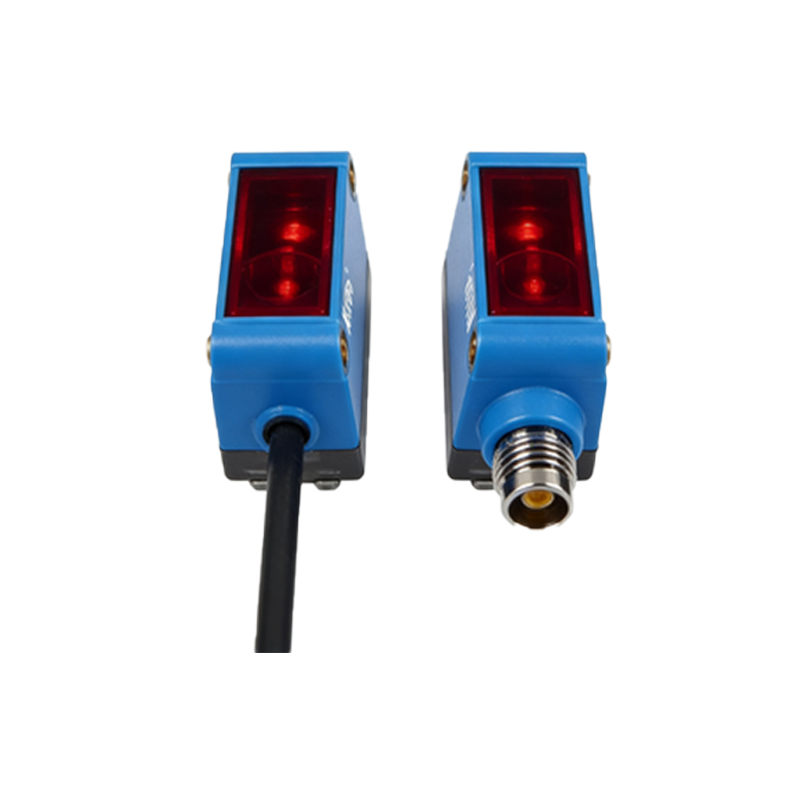
In today’s fast-paced manufacturing environment, photoelectric sensors have become indispensable tools for process optimization. These non-contact devices detect the presence, absence, or distance of objects using light beams, offering high accuracy and reliability. Unlike mechanical switches, they reduce wear and tear, making them ideal for harsh industrial settings. Their ability to work with various materials—from transparent glass to dark metal—allows engineers to solve complex automation challenges. By integrating these sensors into production lines, facilities can minimize downtime and improve throughput, directly impacting the bottom line.
Key Features That Drive Marketing Success
To effectively market photoelectric sensors, highlight their adaptability and performance metrics. Key features include long sensing ranges (up to 30 meters), fast response times (as low as 0.1 ms), and immunity to ambient light interference. Emphasize that modern units offer IP67 or IP69K ratings for dust and water resistance, suitable for washdown environments in food processing or automotive assembly. Furthermore, models with IO-Link communication provide real-time diagnostics and remote configuration, enabling predictive maintenance. These technological advancements align with Industry 4.0 trends, making them a compelling value proposition for plant managers seeking operational excellence.
Targeting the Right Industrial Verticals
Marketing efforts should focus on sectors where precision and reliability are critical. The automotive industry benefits from sensors for part detection and positioning in assembly robots. Packaging lines require sensors for label verification and product counting at high speeds. The logistics sector uses them for conveyor sorting and warehouse automation. Additionally, the pharmaceutical industry demands sterile sensors for tablet counting and ampoule inspection. Tailor your messaging to address specific pain points in each vertical, such as reducing false triggers or handling difficult targets like shiny or translucent materials.
Overcoming Common Customer Objections
Customers often raise concerns about cost, complexity, and environmental robustness. Counter these objections by demonstrating total cost of ownership savings: lower installation costs due to simple wiring, reduced replacement frequency from solid-state design, and energy efficiency. Provide case studies showing a 20-30% reduction in downtime after switching to photoelectric sensors. For complexity concerns, offer plug-and-play models with built-in commissioning wizards. Address environmental fears by showcasing sensors with corrosion-resistant housings and wide operating temperature ranges (-25°C to 60°C). Real-world examples from similar industries can build trust and accelerate purchase decisions.
Leveraging Digital Marketing Channels
To reach engineering decision-makers, use a multi-channel approach. Publish technical blog posts on platforms like LinkedIn or industry forums, covering topics like “How to select the right sensor for transparent objects.” Create short video demos showing sensor installation and troubleshooting on YouTube. Optimize your website for keywords like “reliable photoelectric sensors for harsh environments” and “long-range diffuse sensors.” Partner with automation distributors for joint webinars. In email campaigns, share downloadable white papers on sensor integration for Industry 4.0. Always include clear calls-to-action, such as requesting a free sample or quoting a custom solution.
Measuring and Optimizing Campaign Performance
Track key metrics such as website traffic from industrial sectors, click-through rates on product pages, and conversion rates for technical inquiries. Use A/B testing on landing pages to see if emphasizing sensing range or durability leads to more leads. Monitor customer feedback after installations to refine product positioning. For example, if customers in the packaging industry report high satisfaction with background suppression features, create targeted ads around that benefit. Regularly update your SEO strategy based on search trends; current high-volume queries include “photoelectric sensor for dark objects” and “sensors with IO-Link capability.” This data-driven approach ensures your marketing remains effective and relevant.