Introduction to Photoelectric Sensor Modules
Photoelectric sensor modules are critical components in modern industrial automation systems. They detect objects, measure distances, and trigger actions based on light beams. These sensors use light emitters and receivers to identify the presence, absence, or characteristics of targets without physical contact. Their reliability and versatility make them essential in manufacturing, packaging, and material handling applications.
Core Operating Principles
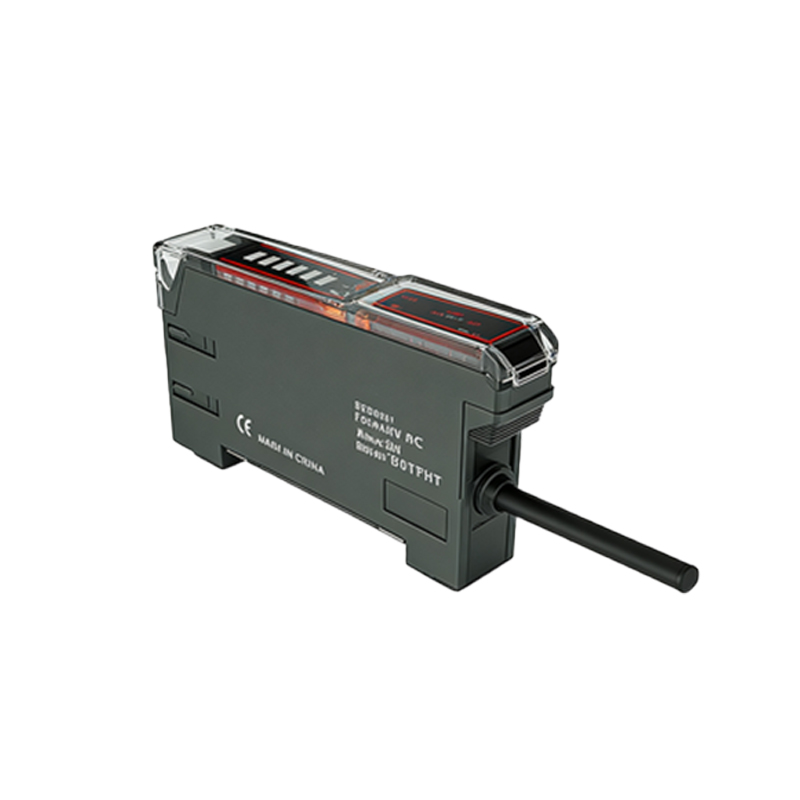
Photoelectric sensors operate on three main principles: through-beam, retro-reflective, and diffuse reflection. In through-beam mode, a separate emitter and receiver align to detect objects that break the light path. Retro-reflective sensors use a reflector to bounce light back to the receiver; objects blocking the beam trigger detection. Diffuse sensors rely on light reflected directly from the target itself. Each principle suits different environmental conditions and target materials, such as transparent, opaque, or shiny surfaces.
Key Technical Specifications
When selecting a photoelectric sensor module, engineers consider factors like sensing range, response time, and output type. Typical sensing ranges vary from a few millimeters to over 30 meters for long-distance applications. Response times often range from 0.5 to 5 milliseconds, enabling high-speed detection in fast-moving production lines. Outputs can be NPN or PNP transistor types, analog signals, or digital protocols like IO-Link for smart connectivity.
Environmental Considerations
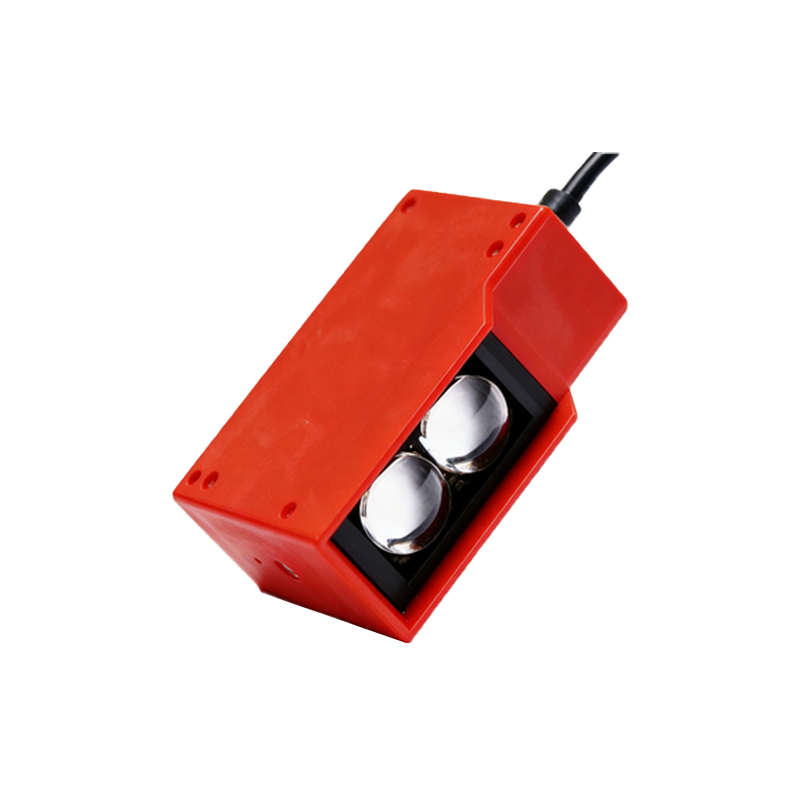
Industrial environments pose challenges such as dust, moisture, vibration, and ambient light interference. Photoelectric sensor modules often feature IP67 or IP69K ratings for protection against water and particle ingress. Background suppression technology helps reject false triggers from reflective surfaces behind the target. Laser-based models offer high precision in harsh conditions, while LED-based sensors provide cost-effective solutions for general purposes.
Integration and Wiring Tips
Proper wiring and alignment are crucial for reliable sensor performance. Use shielded cables to minimize electromagnetic interference from nearby motors or drives. Align the emitter and receiver carefully in through-beam setups to avoid signal loss. For retro-reflective sensors, ensure the reflector is clean and positioned at the correct angle. Many modern modules include status indicators (LEDs) for quick diagnostics, simplifying troubleshooting during installation or maintenance.
Common Applications
These sensors excel in conveyor belt monitoring, detecting product jams, counting items, and verifying component placement in assembly lines. They also support safety applications like guarding robot cells or ensuring proper lid closure on packaging. In the food and beverage industry, stainless steel versions resist corrosion from washdowns. In logistics, long-range sensors track pallets in warehouses.
Troubleshooting and Maintenance
Common issues include sensor misalignment, dirty optics, or power supply fluctuations. Regular cleaning of lenses with lint-free cloths prevents false readings. Verify wiring connections and test output signals with a multimeter. If erratic behavior persists, check for reflective interference from nearby machines. Upgrading to sensors with automatic gain control can adapt to gradual soiling or ambient light changes.
Future Trends
The evolution of photoelectric sensors includes integration with Industry 4.0 protocols. Smart sensors now offer real-time data logging, predictive maintenance alerts, and wireless communication via Bluetooth or Wi-Fi. Miniaturization allows embedding sensors into compact robotic end-effectors. Enhanced algorithms improve detection of complex targets, such as mixed materials or irregular shapes, pushing the boundaries of automation efficiency.