Introduction to Ultra-Fast Photoelectric Sensors
In the realm of industrial automation, speed and precision are paramount. Ultra-fast response photoelectric sensors are engineered to detect objects with exceptional rapidity, often achieving response times in the microsecond or even nanosecond range. These sensors utilize advanced optics and electronics to minimize latency, making them ideal for high-speed manufacturing lines, packaging machinery, and robotic systems. Unlike conventional sensors, which may struggle with fast-moving targets, ultra-fast variants ensure reliable detection without false triggers or missed events.
Key Technologies Behind High-Speed Detection
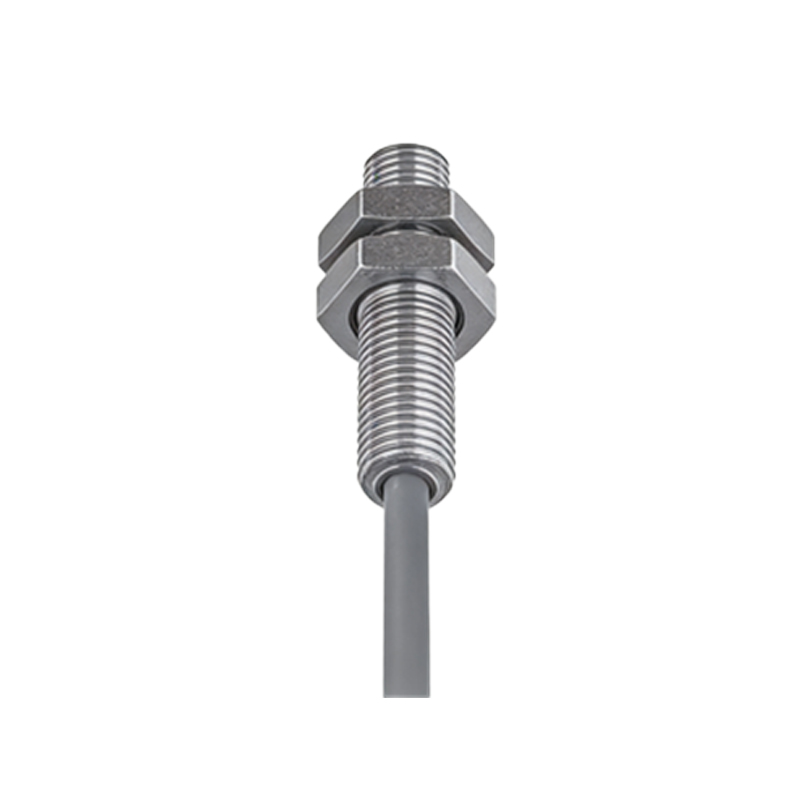
The core of an ultra-fast photoelectric sensor lies in its emitter and receiver design. Typically, these sensors employ laser diodes or high-power LEDs as light sources, paired with photodiodes or avalanche photodiodes for rapid signal conversion. The use of modulated light frequencies reduces interference from ambient light, while digital signal processing (DSP) algorithms filter noise and enhance response speed. Additionally, lens systems are optimized to focus the beam into a narrow spot, allowing detection of small objects at high speeds. For example, in a sensor with a 10-microsecond response time, a conveyor belt moving at 5 m/s can reliably detect objects as small as 0.05 mm.
Applications in High-Speed Manufacturing
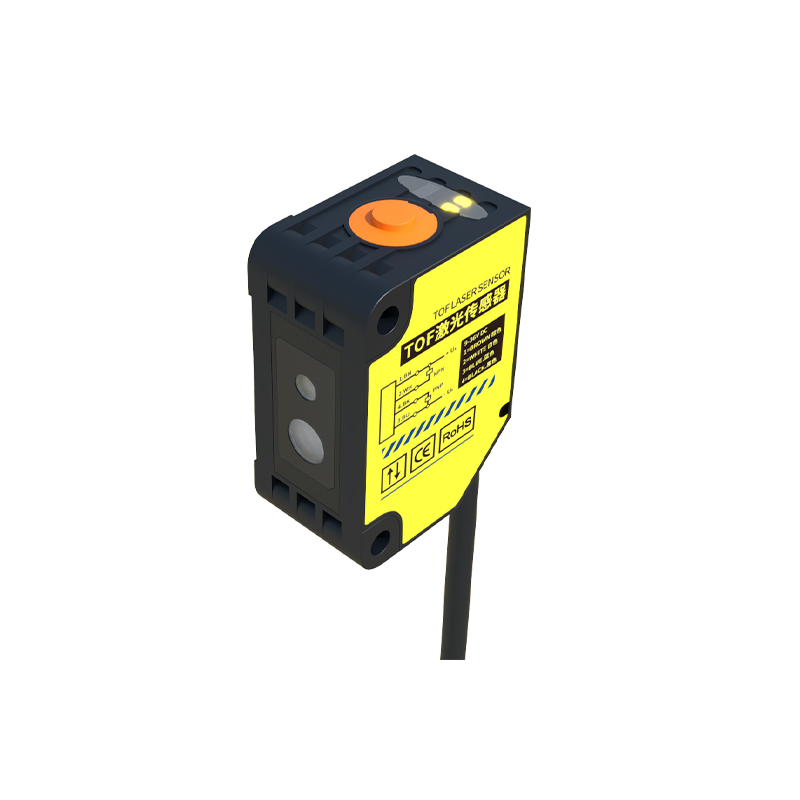
Ultra-fast photoelectric sensors are indispensable in industries where throughput is critical. In electronics assembly, they detect tiny components like capacitors or resistors traveling on vibratory feeders at rates exceeding 1000 parts per minute. In bottling plants, these sensors trigger label application or cap sealing within milliseconds of detecting a bottle's position. Another common use is in cut-to-length systems, where sensors monitor material flow and initiate shears at precise intervals. The reliability of these sensors reduces downtime and waste, directly impacting operational efficiency.
Performance Specifications to Consider
When selecting an ultra-fast photoelectric sensor, engineers must evaluate key parameters: response time, sensing range, ambient light immunity, and output type. Response times typically range from 1 microsecond to 500 microseconds, with some specialized models achieving 0.1 microseconds. Sensing distances vary from a few millimeters to several meters, depending on the optical design. For harsh environments, sensors with IP67 or IP69K ratings are recommended. Additionally, output options like NPN, PNP, or push-pull with adjustable switching frequencies (up to 100 kHz) ensure compatibility with PLCs and motion controllers.
Challenges and Solutions in Deployment
Despite their advantages, ultra-fast sensors face challenges such as vibration-induced misalignment, contamination from dust or oil, and electrical noise from nearby machinery. Engineers can mitigate these issues by using ruggedized housings, anti-reflective coatings, and shielded cables. Regular calibration and self-diagnostic features in modern sensors help maintain accuracy. In extreme conditions, dual-beam or retro-reflective configurations provide extra stability. For instance, a sensor with a built-in timer can filter out transient signals, preventing false triggers from intermittent reflections.
Future Trends and Industry Impact
The evolution of ultra-fast photoelectric sensors is driven by Industry 4.0 demands. Integrated IO-Link communication enables real-time data exchange for predictive maintenance. Advances in solid-state lasers and photonic crystals promise even faster response times and lower power consumption. As automation moves toward higher speeds and precision, these sensors will play a pivotal role in smart factories, enabling autonomous systems to react instantaneously to environmental changes. The market is expected to grow significantly, with sensors becoming more compact and affordable for small-to-medium enterprises.
Conclusion
Ultra-fast response photoelectric sensors represent a critical technology for modern industrial automation. By understanding their design principles, applications, and limitations, engineers can optimize system performance and reliability. As manufacturing continues to accelerate, investing in these sensors will yield substantial returns in productivity and quality control.