Introduction to Color Sensing with Photoelectric Sensors
In modern industrial automation, photoelectric sensors have evolved beyond simple presence detection to sophisticated color recognition capabilities. These sensors utilize a combination of light sources, typically white LED or RGB LEDs, to illuminate the target object. By analyzing the reflected light spectrum, they can distinguish between different colors with high accuracy. This technology is crucial for quality control, sorting, and process optimization in industries such as food packaging, automotive manufacturing, and electronics assembly.
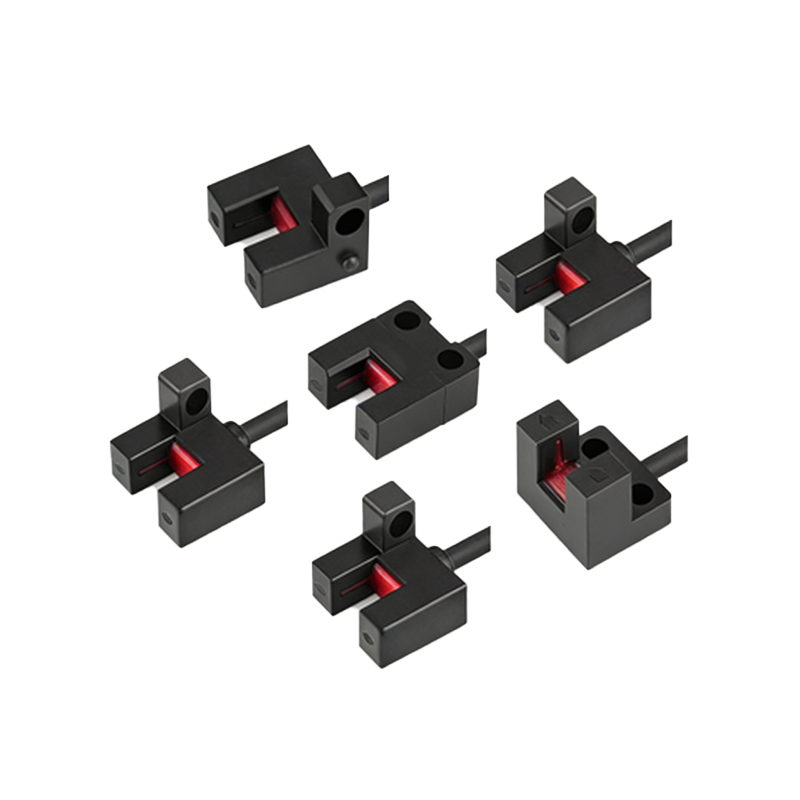
Working Principle: How Color Detection is Achieved
The core mechanism involves emitting broad-spectrum white light onto the object surface. The sensor’s receiver, often a photodiode or a color-sensitive array, captures the reflected light. The reflected spectrum is then compared against pre-stored reference values for each target color. Advanced sensors use trichromatic analysis, measuring red, green, and blue components separately to create a unique color fingerprint. This allows the sensor to differentiate between similar shades, such as light grey and white, which may appear identical to standard photoelectric sensors.
Key Parameters for Reliable Color Differentiation
Several factors affect performance, including the sensor’s response time, typically in the microsecond range, and the color resolution, measured in terms of color difference (ΔE). Industrial sensors often achieve a ΔE of less than 2, ensuring precise distinction. The operating distance, usually between 10 mm and 200 mm, must be consistent to avoid variations in light intensity. Additionally, ambient light interference is mitigated through modulated light sources and optical filters, ensuring stable readings in harsh factory environments.
Practical Applications in Manufacturing and Quality Control
In the automotive industry, photoelectric sensors verify paint color consistency on body panels, preventing costly rework. In food processing, they sort products by ripeness based on color, such as separating green apples from red ones. For electronic component manufacturing, they confirm the correct placement of colored labels on circuit boards. These applications reduce manual inspection errors and increase throughput, with sensors operating reliably at speeds exceeding 10,000 parts per hour.
Integration Considerations and Best Practices
When implementing color-detecting photoelectric sensors, engineers must consider the object’s surface texture, distance stability, and lighting conditions. Calibration with reference samples is essential, and sensors should be configured with appropriate tolerance windows to avoid false triggers. Modern sensors offer IO-Link communication for remote setup and real-time data logging. Regular cleaning of the lens and periodic recalibration ensure long-term accuracy in dusty or oily environments.
Future Trends in Optical Color Sensing Technology
Emerging developments include hyperspectral sensors that analyze more than three wavelengths, enabling detection of subtle color variations beyond human perception. Integration with machine learning algorithms allows sensors to adapt to changing color patterns without manual reprogramming. Additionally, miniaturization and cost reduction are expanding color detection into consumer goods production. These advances promise even greater reliability and flexibility for automated color-based inspection tasks.