Introduction to Liquid Photoelectric Sensors
Liquid photoelectric sensors are critical components in modern industrial automation, particularly in systems involving flexible hoses. These sensors utilize light to detect the presence, level, or flow of liquids within hose assemblies. As an electrical engineer specializing in fluid handling systems, I emphasize the importance of selecting sensors that can withstand the dynamic nature of flexible hose environments, where vibration, pressure fluctuations, and media variations are common.
Operating Principles and Light-Based Detection
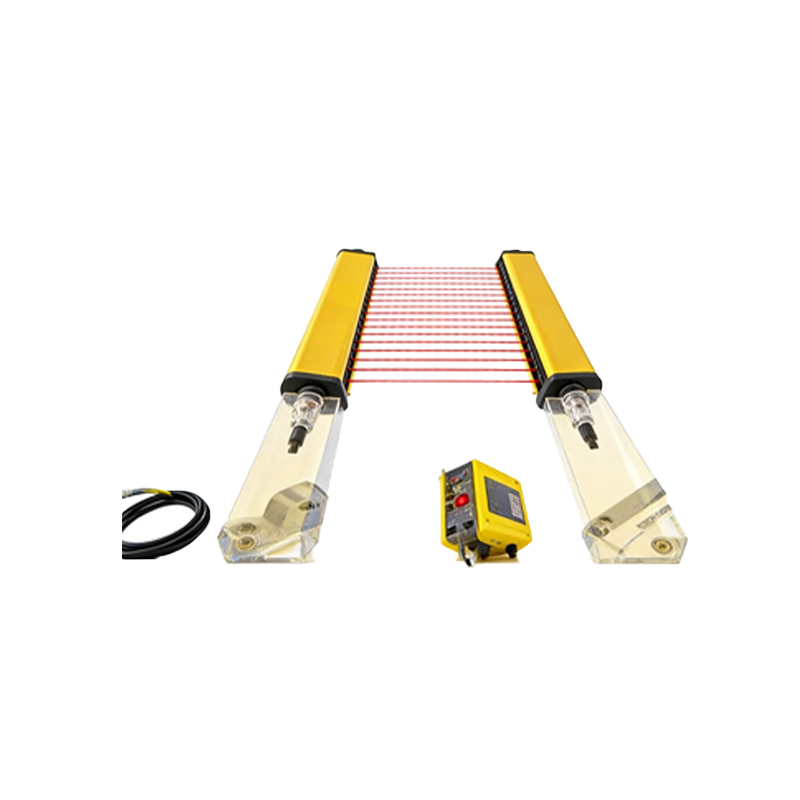
The core principle of a liquid photoelectric sensor involves an emitter (usually an LED) and a receiver (photodiode or phototransistor). When a liquid medium fills the sensing gap within the hose, it alters the refractive index or absorbs/scatters the light beam. In applications with transparent or translucent hoses, the sensor can operate in a through-beam or reflective mode. For example, in a clear PVC hose monitoring coolant flow, the sensor detects the absence of liquid by measuring the change in light intensity. This non-contact method ensures minimal wear and tear.
Key Selection Criteria for Flexible Hose Integration
When integrating these sensors into flexible hose systems, engineers must evaluate several parameters. First, the hose material and wall thickness affect light transmission. Opaque hoses require sensors with higher power or different wavelength (e.g., infrared). Second, the liquid's properties—such as turbidity, color, and viscosity—influence detection reliability. For oily or dark liquids, choose sensors with adjustable sensitivity. Third, the operating temperature and pressure ranges must match the hose specifications. I recommend sensors with IP67 or higher ratings for washdown environments.
Installation Best Practices for Harsh Environments
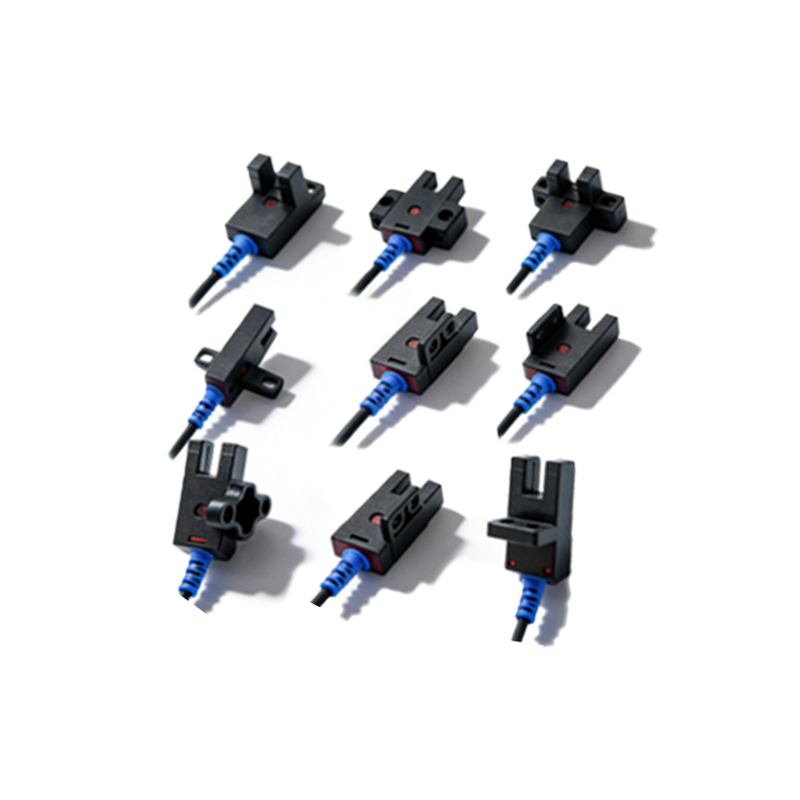
Proper installation ensures long-term sensor performance. Mount the sensor rigidly near the hose connection points, but avoid direct stress on the hose. Use clamps or brackets to isolate vibration. For flexible hoses that bend frequently, position the sensor in a straight section to minimize false triggers. Additionally, consider the electrical interface: 24V DC with NPN or PNP outputs is common in industrial PLC systems. Always include a short-circuit protection and reverse polarity protection in the power supply circuit.
Common Applications and Troubleshooting
Typical applications include leak detection in hydraulic hoses, level monitoring in chemical transfer lines, and flow verification in cooling systems. A frequent issue is false triggering due to air bubbles or foam. To mitigate this, use sensors with time-delay filters or install them in a vertical section of the hose. Another challenge is sensor fouling from sticky residues. Implement periodic cleaning cycles or select sensors with self-cleaning optics. As a rule of thumb, test the system under both static and dynamic conditions before deployment.
Future Trends and Advanced Technologies
The industry is moving toward smart sensors with IoT capabilities. These sensors can provide real-time data on liquid parameters and predictive maintenance alerts. For flexible hose systems, fiber optic-based photoelectric sensors offer enhanced precision and resistance to electromagnetic interference. Additionally, algorithms for adaptive thresholding are being developed to handle varying liquid conditions automatically. As an engineer, I recommend staying updated with IEC standards and manufacturer guidelines to ensure compliance and reliability.