Introduction: The Rise of Underwater Photoelectric Sensors
As an electrical engineer specializing in subsea instrumentation, I have often been asked whether photoelectric sensors are suitable for underwater environments. The short answer is yes, but with critical caveats. Underwater photoelectric sensors, which use light beams to detect objects, have evolved significantly from their industrial counterparts. They are now designed to withstand high pressure, corrosion, and turbidity. However, their performance depends heavily on the application, water clarity, and sensor specifications.Design Challenges: Pressure, Corrosion, and Optical Interference
The primary engineering challenge is housing. Standard photoelectric sensors have IP ratings (e.g., IP67) that are inadequate for deep submergence. For underwater use, sensors must be encapsulated in corrosion-resistant materials like stainless steel 316L or titanium, with robust glass or sapphire windows. Deep-sea rated sensors often feature double O-ring seals and pressure-compensating oil fills to prevent water ingress at depths exceeding 100 meters. Optical interference from suspended particles (e.g., silt, plankton) reduces detection range significantly, requiring high-power LEDs or laser-based emitters.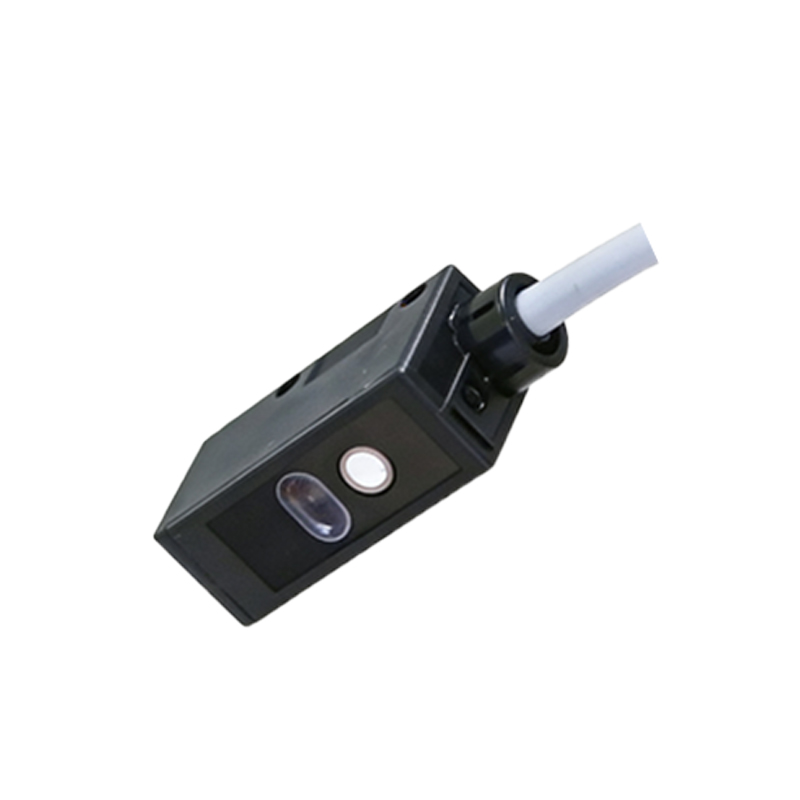
Key Advantages in Industrial Subsea Environments
Despite these challenges, underwater photoelectric sensors offer distinct benefits over ultrasonic or capacitive alternatives. They provide faster response times (microseconds vs. milliseconds for ultrasound), higher precision for small targets (e.g., 1mm diameter wires), and immunity to electromagnetic interference. In ROV (Remotely Operated Vehicle) docking systems or pipeline inspection tools, these sensors excel for short-range object detection (0.1 to 5 meters). They are also non-contact, reducing wear in high-cycle applications like marine robotic grippers.Limitations: Turbidity, Range, and Cost
Water clarity is the Achilles’ heel. In murky harbors or deep-sea hydrothermal vents, light scattering reduces effective range by up to 90%. For example, a sensor rated for 10m in clear water may only function at 1m in 10 NTU turbidity. Additionally, underwater photoelectric sensors are 3-5x more expensive than standard models due to specialized materials and pressure testing. Engineers must also account for biofouling—optical windows can become coated with algae or barnacles within weeks, necessitating periodic cleaning or wiper systems.Practical Selection Criteria for Electrical Engineers
When specifying these sensors, follow these guidelines:1. Depth Rating: Confirm the maximum operating depth (e.g., 300m for shallow offshore, 3000m for deep sea).
2. Wavelength: Near-infrared (850nm) or red laser (650nm) for longer penetration in murky water; blue-green (532nm) for minimal attenuation in clear ocean water.
3. Output Type: Choose 4-20mA analog for variable distance data or PNP/NPN discrete for simple presence detection.
4. Cable Material: Use polyurethane or TPE jackets for flexibility in cold water; avoid PVC which becomes brittle.
5. Testing: Always perform a wet test in turbidity-matched water to validate performance.