Photoelectric sensor reflector kits are a cost-effective solution for industrial sensing tasks. By understanding their operating principles, selecting based on key parameters, following installation best practices, and knowing how to troubleshoot common issues, engineers can maximize system uptime and accuracy. Regular maintenance, such as cleaning lenses and checking connectors, further extends kit lifespan. For critical applications, always consult the manufacturer's datasheets for specific range and environmental limits.
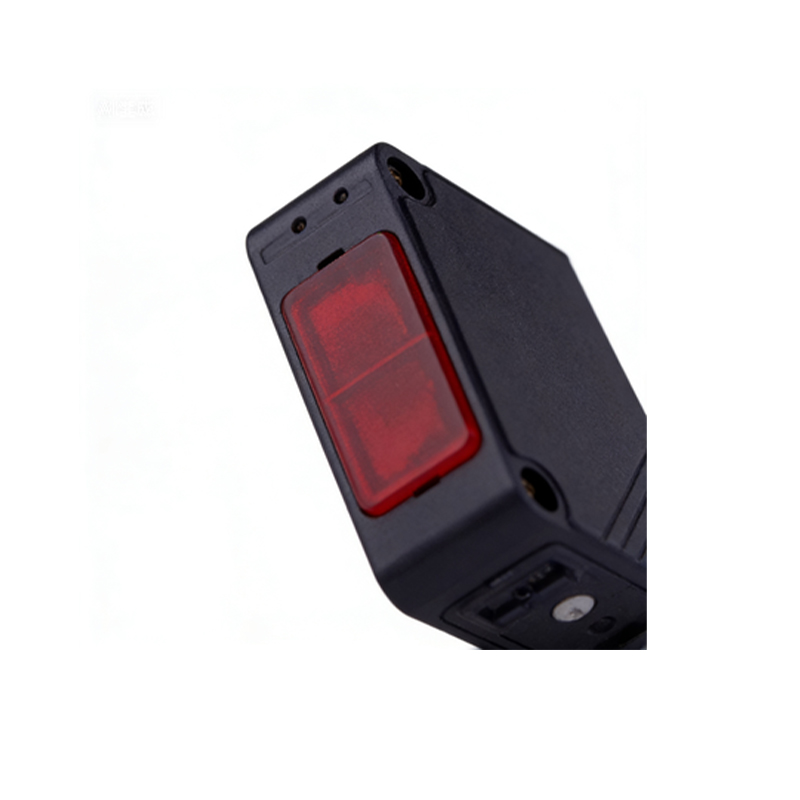
Photoelectric sensor reflector kits are essential components in industrial automation, enabling reliable object detection and positioning. These kits typically include a photoelectric sensor (emitter/receiver) and a passive reflector, which work together by reflecting light back to the sensor. Unlike through-beam sensors that require separate emitter and receiver units, reflector-based systems simplify installation by aligning the sensor and reflector on the same axis. This design is ideal for harsh environments where space is limited or where dust, moisture, or vibrations might disrupt other sensing methods. For example, in conveyor systems, forklift guidance, or packaging lines, a properly chosen kit ensures consistent performance and reduces downtime.
Key Parameters for Selection: Range, Environment, and Target
When selecting a photoelectric sensor reflector kit, consider three critical factors: working range, environmental conditions, and target characteristics. The maximum distance between sensor and reflector determines the kit's effective range, which can vary from a few centimeters to over 20 meters. For dusty or wet environments, opt for sensors with a high IP rating (e.g., IP67 or IP69K) and use polarized reflectors to minimize false readings from ambient light or reflective surfaces. Additionally, the reflector material and size must match the sensor's beam pattern and wavelength (commonly red light at 660 nm or infrared). Always verify that the target material (e.g., transparent glass, shiny metal, or dark plastic) does not absorb or scatter the beam excessively.
Installation Best Practices for Reliable Operation
Proper installation is crucial for achieving consistent detection. Begin by mounting the sensor and reflector on a stable, vibration-free surface, ensuring their optical axes are perfectly aligned within 1-2 degrees. Use the sensor's visual alignment indicator (e.g., LED or mechanical beam finder) to fine-tune positioning. Maintain a clean optical path; even a thin layer of dust or condensation can reduce range by up to 30%. For outdoor or food-processing applications, install a protective housing or air purge system to keep lenses clear. Also, avoid placing the reflector near bright light sources or other sensors to prevent optical interference. Finally, test the kit under actual operating conditions, including startup and shutdown cycles, to confirm stability.
Troubleshooting Common Issues with Reflector Kits
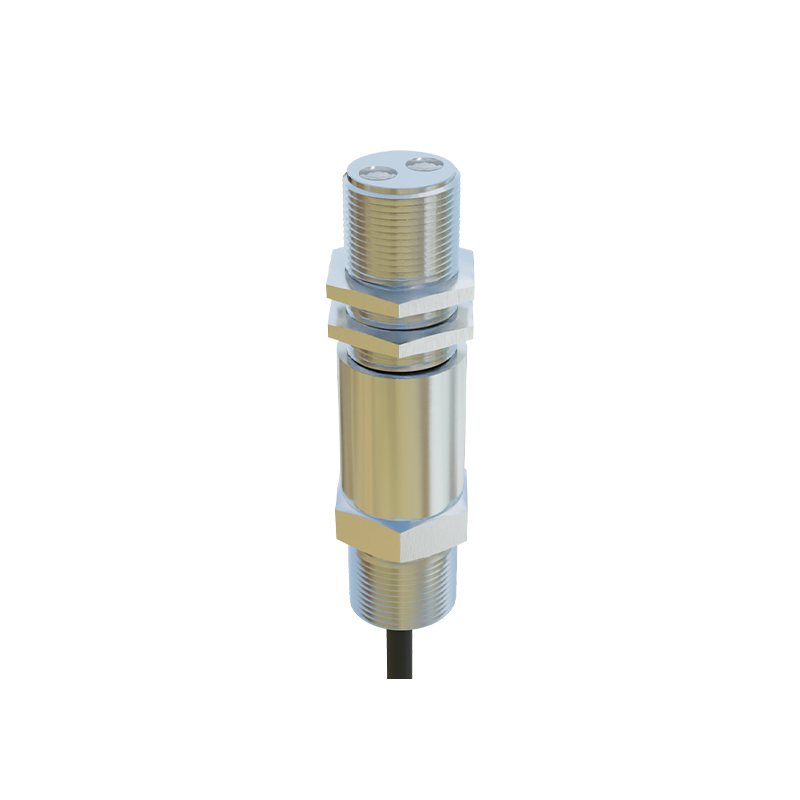
Even with careful selection, issues may arise. If the sensor fails to detect objects, first check alignment using a laser pointer or the sensor's diagnostic mode. Dim or flickering LED indicators often signal a blocked beam or misalignment. For intermittent detection, examine the reflector for scratches, cracks, or contamination. In high-vibration environments, use lock washers or thread-locking compound on mounting bolts. If ambient light is a problem, switch to a sensor with a modulated or pulsed light source, or add a retroreflective shield. For transparent or highly reflective targets, consider using a sensor with a background suppression feature or a separate polarizing filter. Keep a spare reflector on hand for quick replacement, as damaged reflectors can degrade performance.