Introduction to Clean Photoelectric Sensors
Clean photoelectric sensors are essential components in modern industrial automation systems, particularly in environments demanding high precision and reliability. These sensors use light beams to detect the presence, absence, or distance of objects without physical contact. In clean manufacturing settings, such as semiconductor fabrication or pharmaceutical production, they ensure minimal contamination and optimal performance. By integrating advanced optics and robust housing, they resist dust, moisture, and chemical exposure, maintaining consistent detection even in harsh conditions.
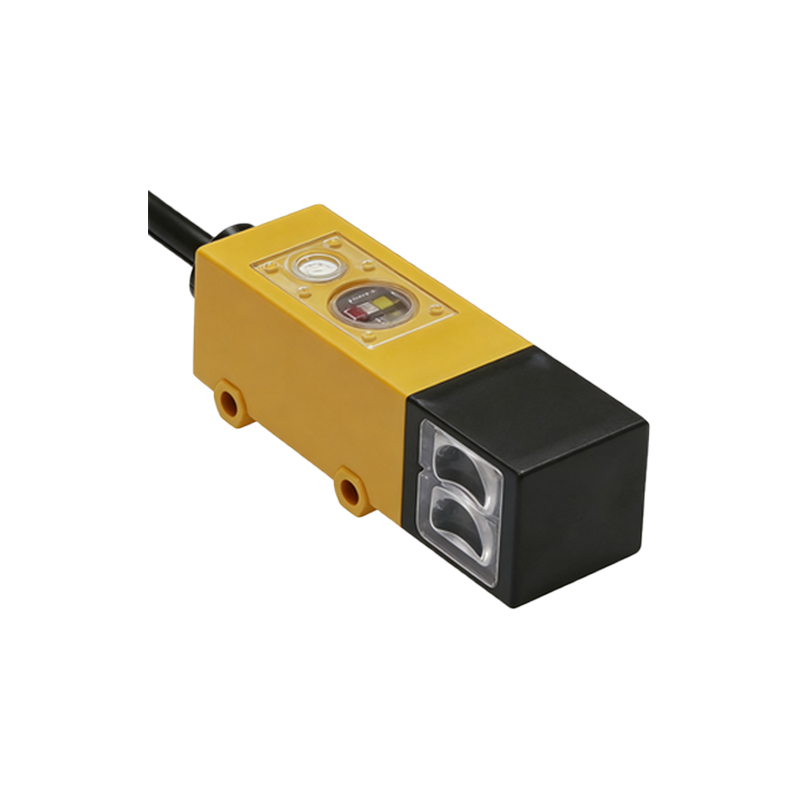
Working Principles of Clean Photoelectric Sensors
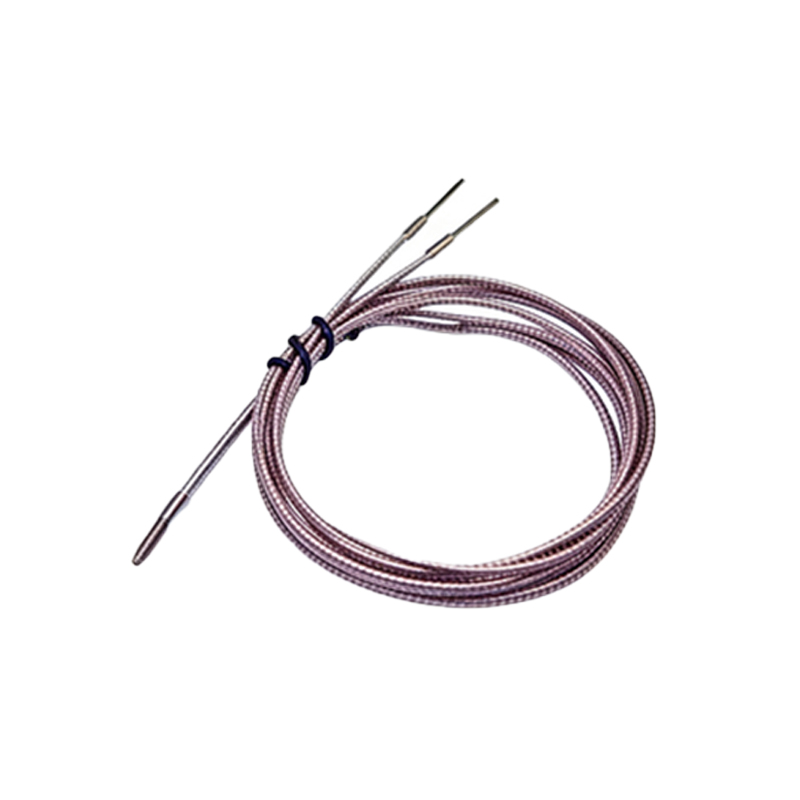
Clean photoelectric sensors operate on three primary modes: through-beam, retro-reflective, and diffuse. In through-beam mode, a separate emitter and receiver align to detect objects breaking the light path. Retro-reflective sensors use a reflector to bounce the beam back, while diffuse sensors rely on the object’s surface to scatter light back to the receiver. These sensors employ modulated light to filter out ambient interference, ensuring accurate readings. Their design prioritizes cleanliness with sealed enclosures and smooth surfaces, reducing particle accumulation and facilitating easy cleaning.
Key Benefits for Industrial Applications
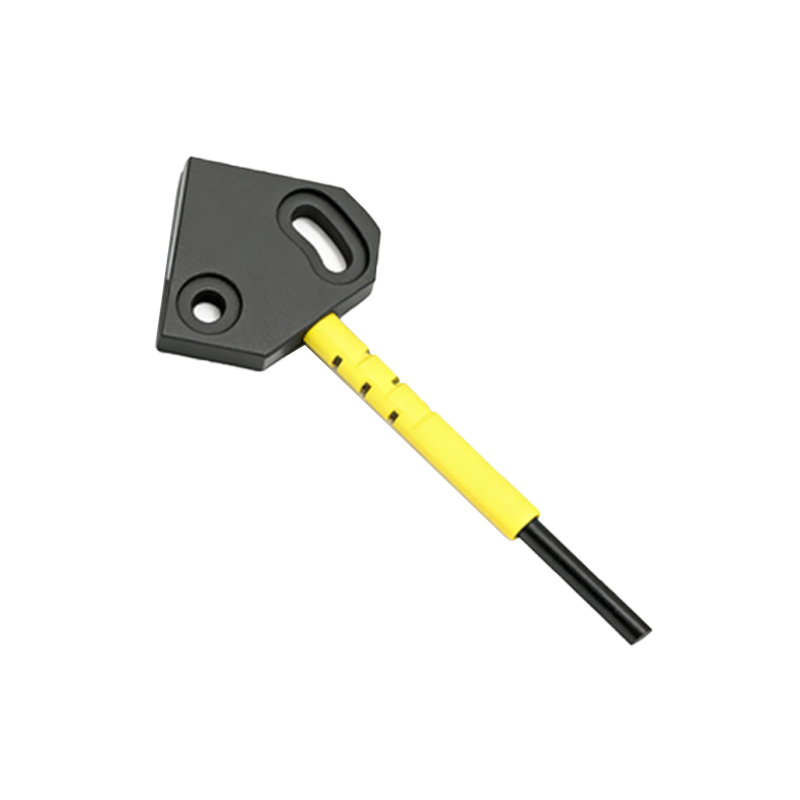
The primary advantage of clean photoelectric sensors is their ability to maintain high accuracy in sterile or contamination-sensitive areas. They prevent product defects by detecting minute objects or transparent materials, such as glass vials or plastic films. Additionally, their non-contact nature reduces wear and tear, extending sensor lifespan and lowering maintenance costs. In food processing or medical device manufacturing, these sensors support compliance with strict hygiene standards, as they can withstand frequent washdowns with aggressive cleaning agents.
Common Use Cases in Clean Environments
Clean photoelectric sensors are widely deployed in automated assembly lines for monitoring bottle filling levels, verifying cap placement, or inspecting label alignment. In semiconductor cleanrooms, they detect wafer presence on conveyors without generating particles. Pharmaceutical applications include counting tablets in blister packs or ensuring proper sealing of sterile pouches. Their reliability in high-speed operations minimizes downtime and enhances throughput, making them indispensable for lean manufacturing processes.
Selection Criteria for Optimal Performance
When choosing clean photoelectric sensors, engineers must consider factors such as detection range, target material, and environmental conditions. For example, retro-reflective sensors are ideal for long-range detection, while diffuse sensors suit short-range applications with varying object surfaces. Additionally, IP67 or higher ratings are recommended for washdown zones. Sensor output types (e.g., NPN, PNP) should match the control system’s input requirements. Regular calibration and periodic cleaning ensure sustained accuracy, though modern designs often include self-diagnostic functions to preempt failures.
Future Trends in Clean Photoelectric Sensing
Advancements in sensor technology are driving cleaner, smarter detection solutions. Emerging trends include integration with IoT for real-time data analytics and predictive maintenance. New materials, such as antimicrobial coatings and hydrophobic lenses, further enhance cleanliness. Miniaturization allows embedding sensors into tight spaces, while multi-channel systems enable simultaneous monitoring of multiple points. As industry 4.0 evolves, clean photoelectric sensors will play a pivotal role in achieving zero-defect manufacturing and sustainable automation.