Enhanced Detection Accuracy and Reliability
Infrared photoelectric sensors offer superior detection accuracy compared to traditional proximity sensors. They utilize infrared light to detect objects, which is less susceptible to ambient light interference, ensuring consistent performance in industrial environments. This reliability is critical for applications like conveyor belt monitoring, where precise object presence detection prevents jams and improves throughput.
Long-Range Sensing Capabilities
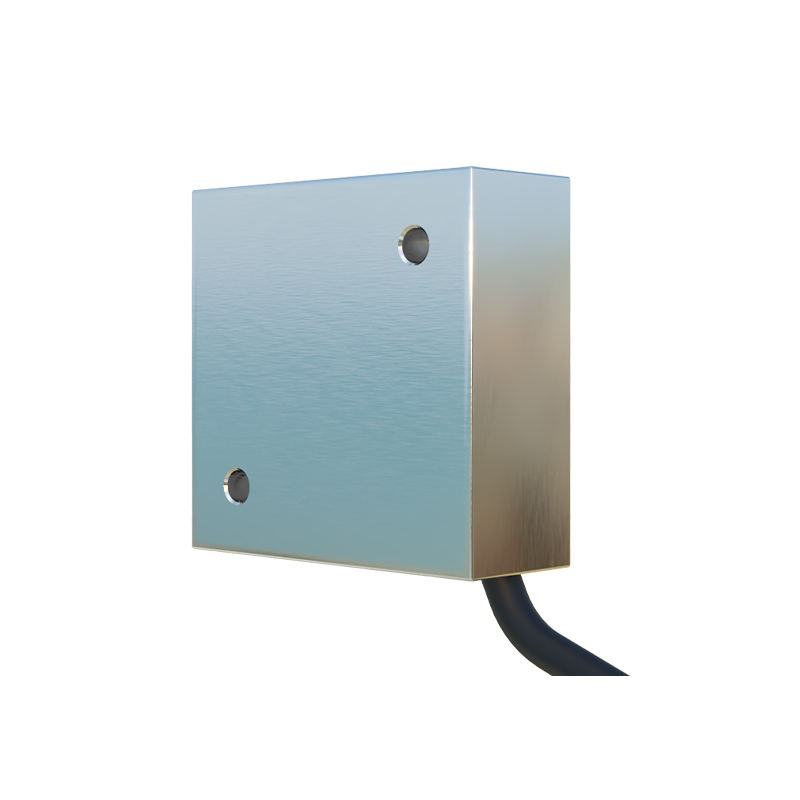
One key advantage is their ability to operate over long distances, often exceeding several meters. Infrared sensors can function effectively in dusty, smoky, or low-visibility conditions typical in manufacturing plants, where other sensors might fail. This makes them ideal for positioning tasks in large warehouses or on assembly lines.
Versatility Across Materials and Surfaces
Unlike capacitive or inductive sensors, infrared photoelectric sensors can detect a wide range of materials, including metals, plastics, glass, and paper. They work well on transparent, reflective, or irregular surfaces, offering flexibility in handling diverse production items. For instance, they can detect clear bottles on a bottling line without false triggers.
Non-Contact Operation and Low Maintenance
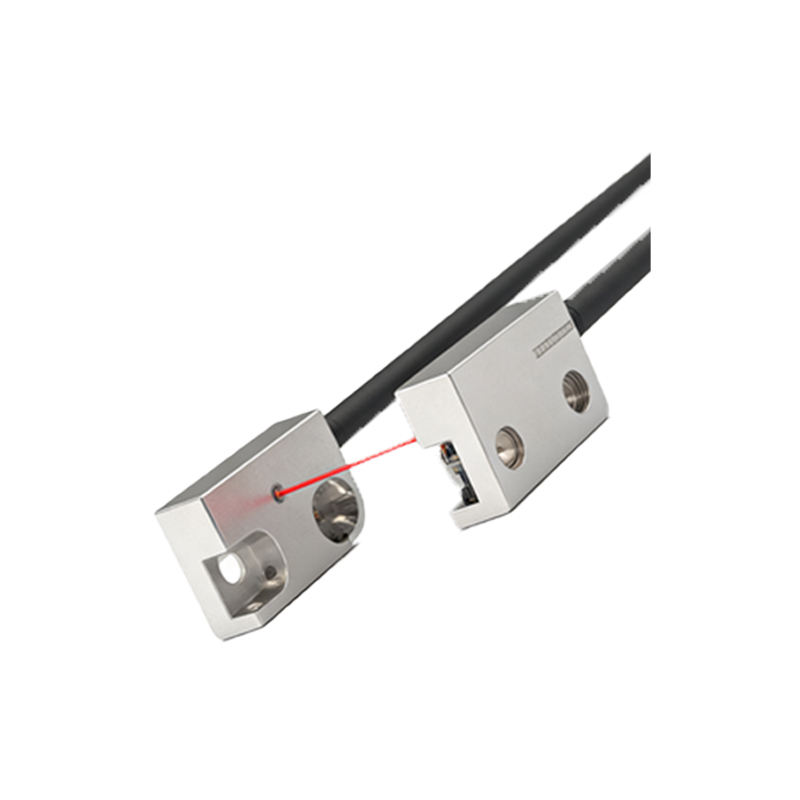
These sensors operate without physical contact, reducing wear and tear on both the sensor and the target objects. This non-contact feature minimizes mechanical failures and extends sensor lifespan. Additionally, they require minimal maintenance, as they are sealed against dust and moisture, aligning with industrial IP67 standards.
Fast Response Time for High-Speed Applications
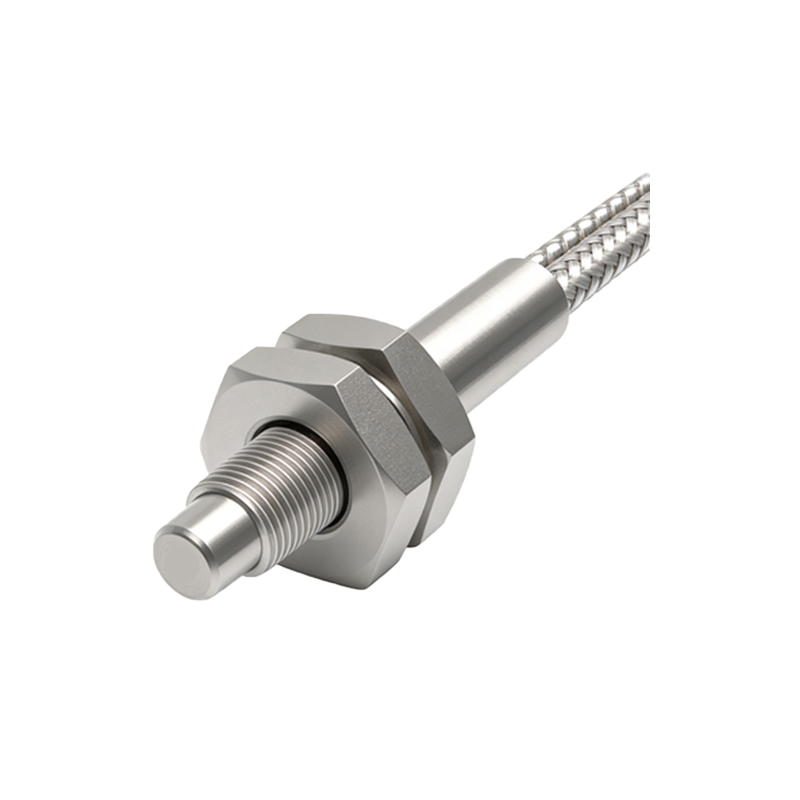
Infrared photoelectric sensors boast extremely fast response times, often in the microsecond range. This enables them to keep pace with high-speed machinery, such as packaging machines or sorting systems, where rapid detection is essential for process efficiency. Their quick reaction helps reduce downtime and improve overall throughput.
Cost-Effective Solution for Industrial Use
Compared to laser or ultrasonic sensors, infrared photoelectric sensors offer a balance of performance and cost. They provide reliable detection without the high price tag, making them a practical choice for budget-conscious industrial projects. Their long lifespan and low power consumption further contribute to operational savings.
Easy Integration with Control Systems
These sensors come with standard output types, such as NPN or PNP, and are compatible with PLCs and other industrial controllers. They often feature adjustable sensitivity and background suppression, simplifying setup. This plug-and-play nature reduces installation time, making them a favorite among engineers for retrofit or new system designs.