Introduction to Photoelectric Sensor Switches
Photoelectric sensor switches are critical components in modern industrial automation, converting light signals into electrical outputs to detect objects, distances, or changes in environment. These devices operate by emitting a beam of light (often infrared, visible red, or laser) and analyzing the reflected or interrupted beam. As an engineer, I have seen how these sensors enhance precision in assembly lines, packaging systems, and safety applications. Their non-contact nature ensures minimal wear, making them ideal for harsh environments.
Operating Principles: Through-Beam, Retro-Reflective, and Diffuse Modes
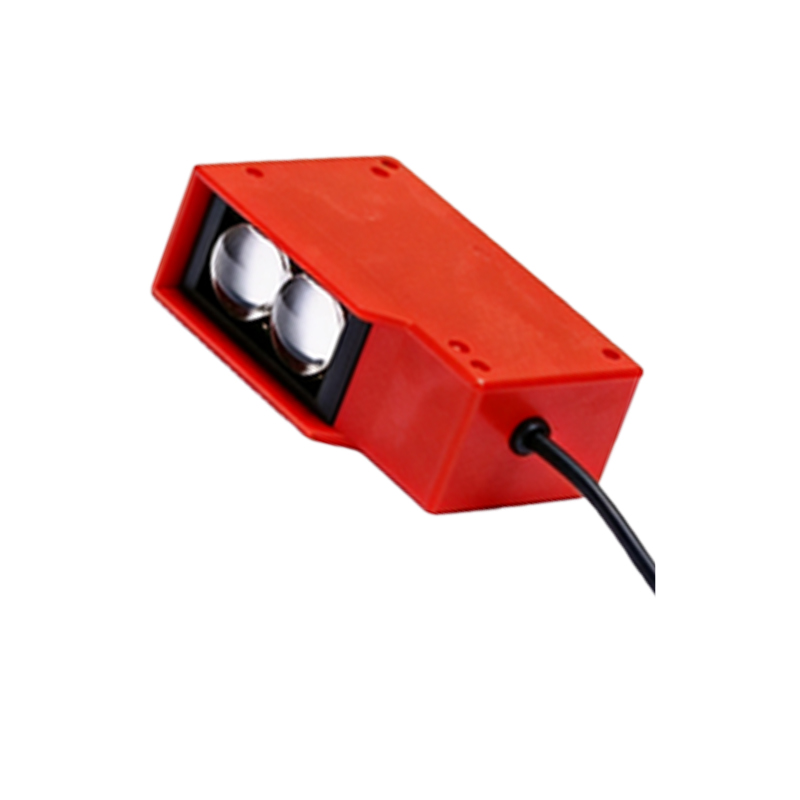
Photoelectric sensors primarily function in three modes. Through-beam sensors consist of separate emitter and receiver units; an object breaks the light path, triggering a switch. This offers the longest sensing range, often up to 50 meters, but requires alignment. Retro-reflective sensors combine emitter and receiver in one housing, using a reflector to bounce the light back; detection occurs when an object interrupts the beam. These are easier to install but are limited by reflector distance. Diffuse sensors detect light reflected directly from the target, ideal for short-range applications (up to 2 meters) and detecting irregular surfaces. Engineers often choose based on target material, distance, and environmental factors like dust or fog.
Key Specifications and Selection Criteria
When selecting a photoelectric sensor switch, consider sensing range, response time, output type (NPN, PNP, or analog), and light source. For high-speed lines, response times under 1 millisecond are critical. Laser-based sensors offer pinpoint accuracy, while LED sensors are more cost-effective for general use. Environmental ratings such as IP67 are essential for wet or dusty areas. Additionally, consider ambient light immunity; modern sensors use modulated light to reject interference from sunlight or artificial lighting. Always verify the sensing distance for the specific target material; glossy black surfaces may require specialized models.
Installation and Calibration Best Practices
Proper installation ensures reliability. Mount the sensor securely to avoid vibration-induced misalignment. For through-beam systems, use alignment tools or a laser pointer to align emitter and receiver. Adjust sensitivity potentiometers to avoid false triggers; over-sensitivity can cause detection of background objects. Use test pieces that match actual production items during calibration. In retro-reflective setups, ensure the reflector remains clean and unblocked. For diffuse sensors, adjust the sensitivity to ignore background surfaces. Regular cleaning of lenses with lint-free cloths prevents signal loss.
Common Applications in Industry
I have deployed photoelectric sensors in numerous applications. In conveyor systems, they detect product jams and count items. In packaging, they ensure correct label placement or cap presence. Safety light curtains use multiple photoelectric beams to protect personnel near machinery. In automotive manufacturing, they verify component presence during assembly. They are also used in elevators for door obstruction detection and in warehouse automation for pallet positioning. Their versatility makes them a backbone of Industry 4.0 smart factories.
Troubleshooting and Maintenance Tips
Common issues include false triggers, no detection, or erratic behavior. First, check power supply stability (typically 10-30V DC). Inspect lens for dirt, scratches, or condensation. For through-beam sensors, verify alignment; even slight shifts from vibration can cause failures. Test with a known good sensor to rule out controller issues. If using retro-reflective mode, examine the reflector for damage. In diffuse mode, ensure the target material has adequate reflectivity. Regular preventive maintenance—cleaning and sensitivity rechecking—extends sensor life and reduces downtime.