Introduction to Photoelectric Sensors
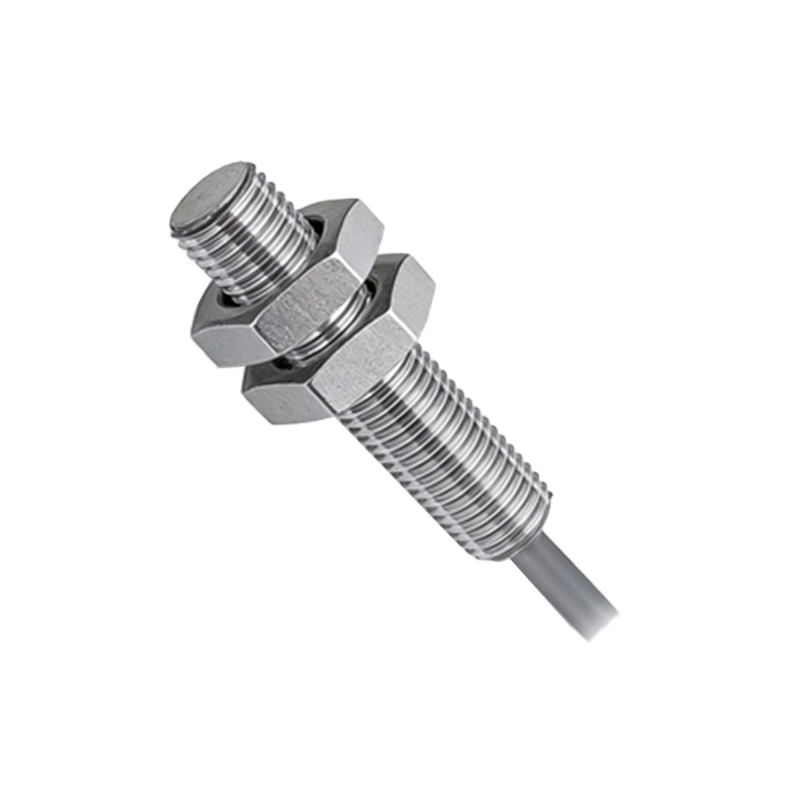
Photoelectric sensors are essential components in industrial automation, utilizing light beams to detect the presence, absence, or distance of objects. They operate by transmitting a light signal (typically infrared, visible red, or laser) and analyzing changes in the received light. These sensors are widely adopted due to their non-contact detection, high accuracy, and reliability in harsh environments. In modern manufacturing, they replace mechanical switches and proximity sensors in applications requiring rapid response and precise positioning.
Key Working Principles
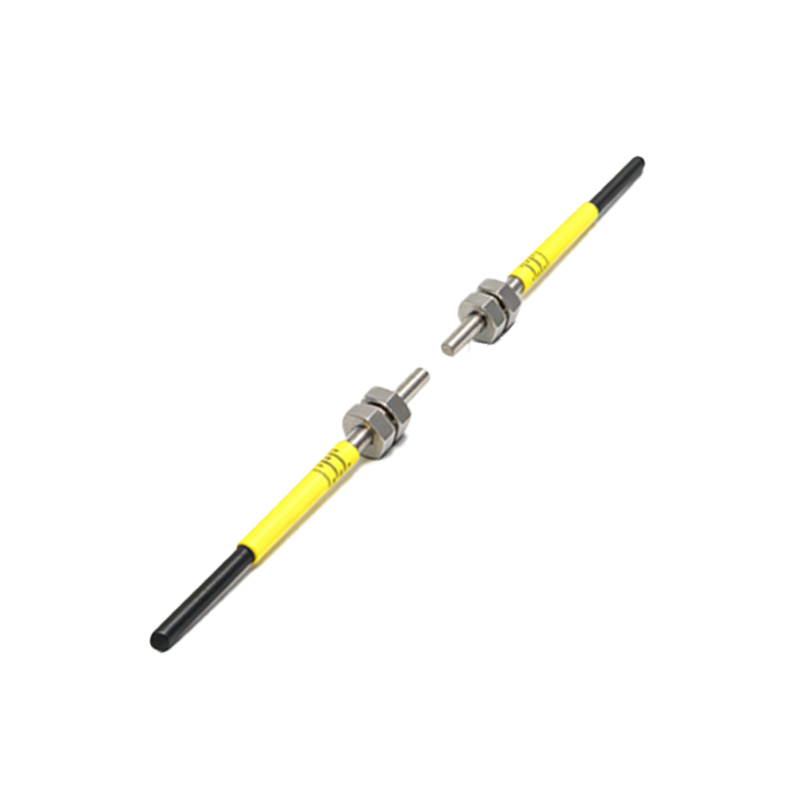
The three main types of photoelectric sensors are through-beam, retro-reflective, and diffuse reflective. Through-beam sensors consist of a separate emitter and receiver, offering the longest range and highest immunity to contamination. Retro-reflective sensors use a reflector to bounce the light beam back, simplifying installation. Diffuse reflective sensors detect objects by reflecting light off the target itself, ideal for short-range detection. Each type serves specific needs based on distance, target material, and ambient conditions.
Applications in Conveyor Systems
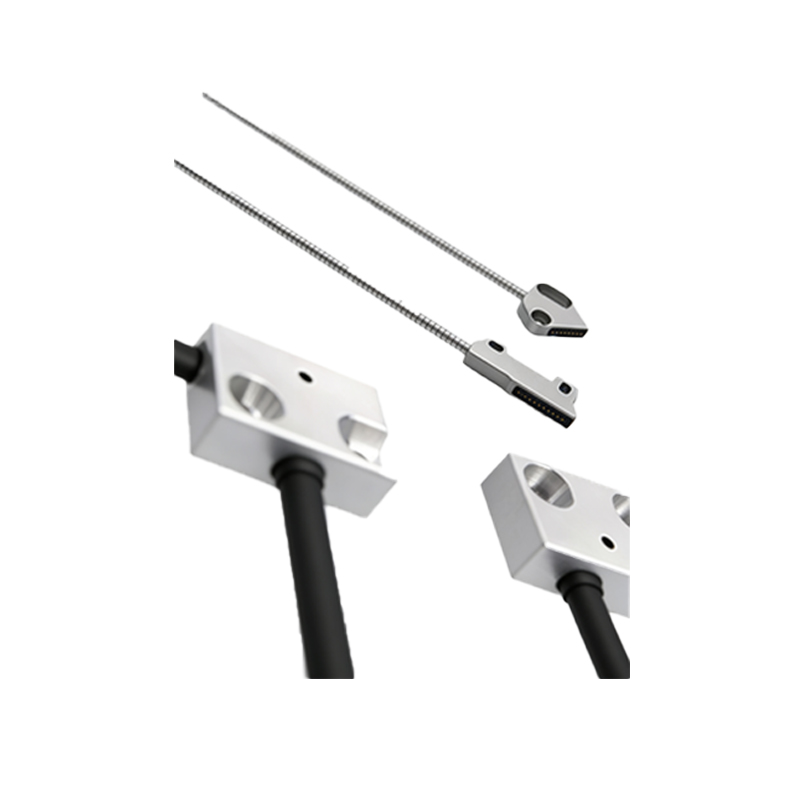
In material handling, photoelectric sensors monitor product flow on conveyor belts. Through-beam sensors detect box jams or missing items at high speeds. Retro-reflective sensors count packages by interrupting the light path. Diffuse sensors verify the presence of caps or labels on bottles. These applications reduce downtime and improve sorting accuracy in logistics centers.
Quality Control in Manufacturing
Photoelectric sensors play a critical role in quality inspection. For example, laser-based diffuse sensors measure surface defects on metal sheets. Color mark sensors detect registration marks on packaging films to ensure precise cutting. In automotive assembly, sensors verify correct part orientation before robotic welding. Their fast response time (down to microseconds) enables real-time defect rejection.
Safety and Collision Avoidance
Safety light curtains, a specialized photoelectric sensor array, protect operators near dangerous machinery. When the beam is blocked, the system immediately stops the machine. These sensors comply with international safety standards (e.g., IEC 61496). In automated guided vehicles (AGVs), photoelectric sensors detect obstacles and adjust routes, preventing collisions in warehouse environments.
Environmental Considerations
Industrial environments pose challenges like dust, vibration, and temperature extremes. Modern photoelectric sensors feature IP67 or IP69K housings for washdown areas. Background suppression technology minimizes false triggers from shiny surfaces or background objects. Some models use modulated light to reject ambient light interference, ensuring stable operation in brightly lit factories.
Integration with PLC and IoT
Photoelectric sensors now integrate seamlessly with programmable logic controllers (PLCs) via IO-Link or discrete outputs. This enables real-time data logging for predictive maintenance. In Industry 4.0 setups, sensor data feeds into cloud platforms to optimize production scheduling. The trend toward miniaturization allows embedding these sensors into compact robotic grippers for precise part handling.
Conclusion and Future Trends
Photoelectric sensors remain indispensable for cost-effective, high-speed automation. Emerging technologies include smart sensors with built-in diagnostics and multi-point detection. As factory automation evolves, the demand for photoelectric sensors with longer ranges, higher resolutions, and enhanced durability will grow. Engineers must select the appropriate sensor type based on application-specific factors like target color, distance, and environmental conditions.