Understanding Explosion Risks in Photoelectric Sensor Applications
In industrial settings such as oil refineries, chemical plants, and grain silos, photoelectric sensors are often exposed to flammable gases, vapors, or dust. These environments require special attention to prevent ignition sources. Standard photoelectric sensors can generate sparks or heat during operation, posing a significant explosion hazard. Proper explosion-proof design ensures that any internal ignition is contained and does not propagate to the surrounding atmosphere. Key factors include the sensor housing material, sealing methods, and the use of intrinsically safe circuits.
Key Design Principles for Explosion-Proof Sensors
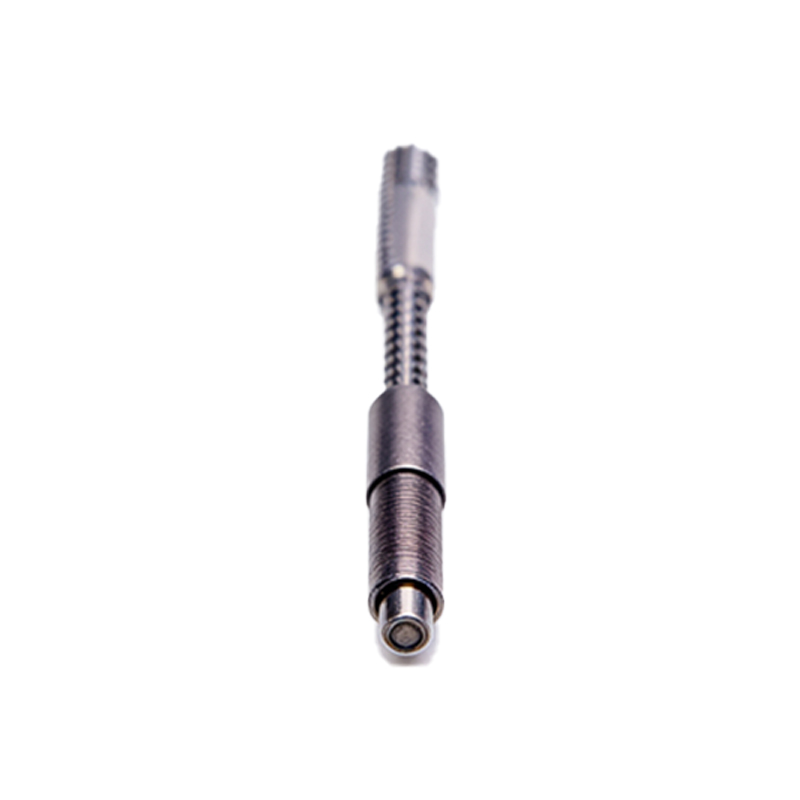
Explosion-proof photoelectric sensors must comply with international standards such as ATEX, IECEx, or NEC. The housing is typically made from robust, non-sparking materials like stainless steel or aluminum with a powder-coated finish. The enclosure must be sealed to prevent entry of explosive gases or dust, using O-rings or epoxy potting. Additionally, the electrical components must be designed to limit energy levels below the ignition threshold of the specific hazardous atmosphere. For instance, intrinsically safe sensors operate at low voltage and current, eliminating the risk of sparks.
Selecting the Right Housing and Certification
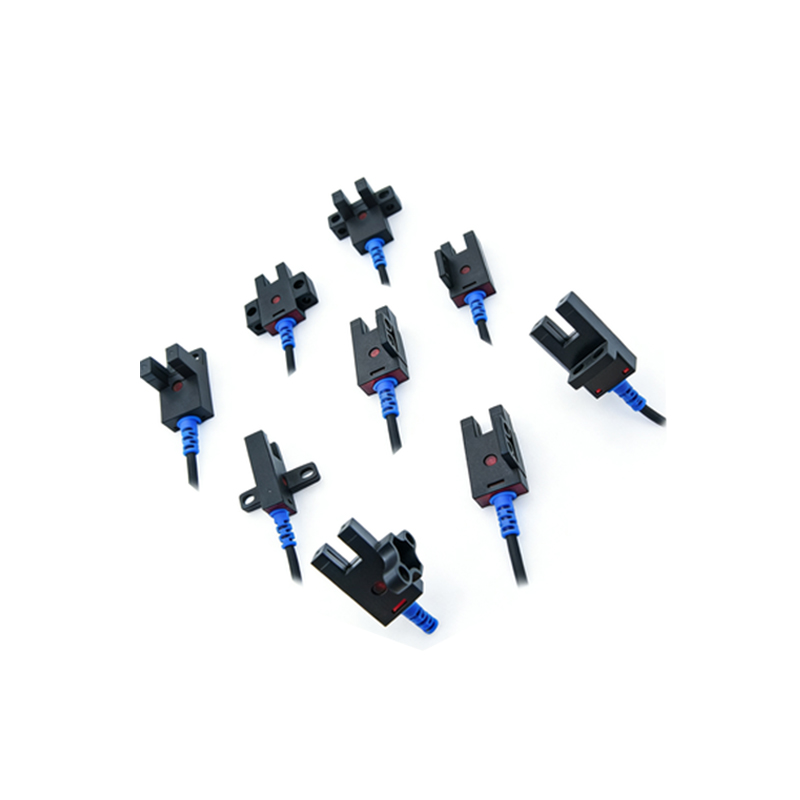
When selecting an explosion-proof photoelectric sensor, engineers must verify the ATEX or IECEx certification for the specific zone (e.g., Zone 0, 1, 2 for gases; Zone 20, 21, 22 for dust). The ingress protection rating should be at least IP67 to withstand harsh cleaning or outdoor exposure. For high-temperature environments, the sensor should have a thermal management system to prevent surface temperatures from exceeding the auto-ignition point of nearby substances. Always check the manufacturer's datasheet for ex-certification markings and temperature class (T-class).
Installation and Maintenance Best Practices
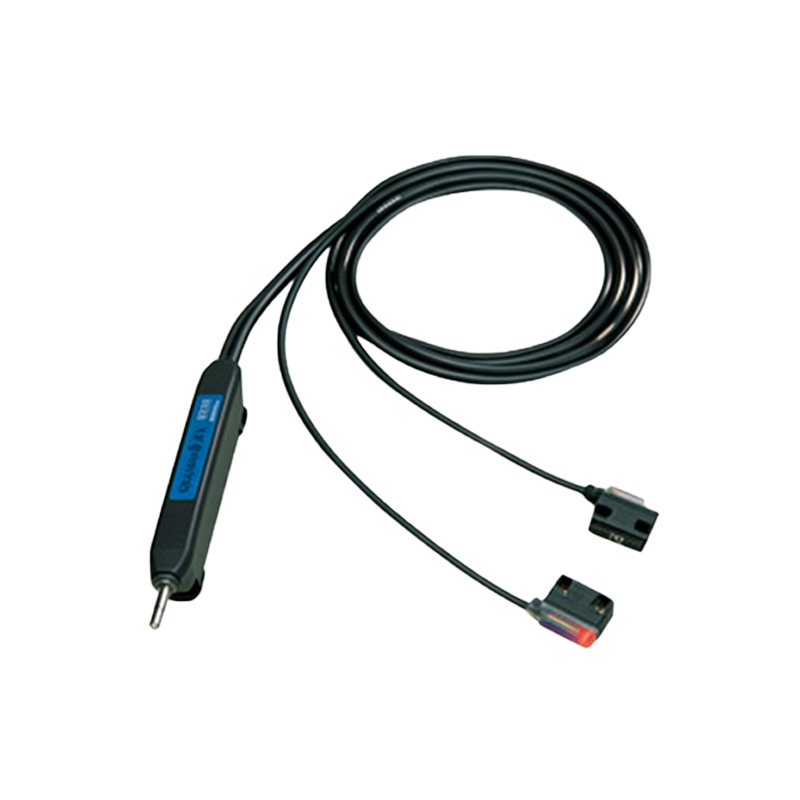
Proper installation is critical to maintain explosion-proof integrity. Cables must be routed through certified explosion-proof conduit or glands, and all connections should be tightened to the specified torque. During maintenance, never open the sensor housing while the area is classified as hazardous, unless a hot work permit is issued. Regular inspections should include checking for corrosion, seal degradation, and ensuring that no unauthorized modifications have been made. It is also recommended to use a redundant sensor system in critical applications to ensure fail-safe operation.
Conclusion: Future Trends in Explosion-Proof Sensor Technology
The industry is moving toward smart explosion-proof photoelectric sensors with integrated diagnostics and wireless communication. These sensors can monitor their own health and alert operators to potential failures, reducing the need for manual inspections in hazardous zones. Advanced materials like ceramic or glass-filled polymers are also being developed to enhance durability and lightweight construction. As automation expands in explosive environments, investing in certified, high-quality sensors remains a non-negotiable safety requirement.