Introduction to Beiyang Optoelectronic Sensors
Beiyang optoelectronic sensors are widely used in industrial automation, robotics, and process control due to their high precision and reliability. These sensors convert optical signals into electrical outputs, enabling precise detection of objects, distances, and colors. The communication protocol is critical for integrating these sensors into larger systems, ensuring data integrity and real-time response. This article explores the key communication protocols supported by Beiyang sensors, including IO-Link, Modbus, and proprietary serial interfaces, focusing on their technical characteristics and deployment scenarios.
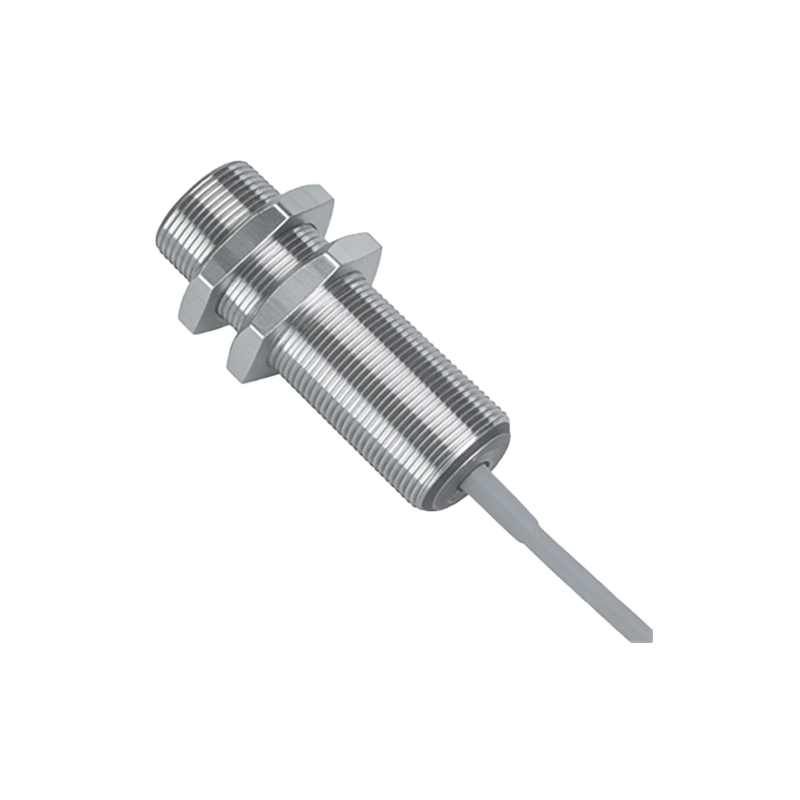
IO-Link: Standardized Point-to-Point Communication
IO-Link is a leading communication protocol for Beiyang optoelectronic sensors, providing a standardized interface between sensors and controllers. It operates as a point-to-point connection over a three-wire cable, supporting both cyclic and acyclic data exchange. The protocol enables parameterization, diagnosis, and event-driven data transmission, enhancing system flexibility. For Beiyang sensors, IO-Link typically uses a baud rate of 230.4 kbps, with a frame size of up to 32 bytes. Engineers should note that IO-Link requires an IO-Link master for integration, which can be connected to fieldbus systems like PROFINET or EtherNet/IP. This protocol is ideal for applications needing remote configuration and predictive maintenance.
Modbus RTU: Robust Serial Communication
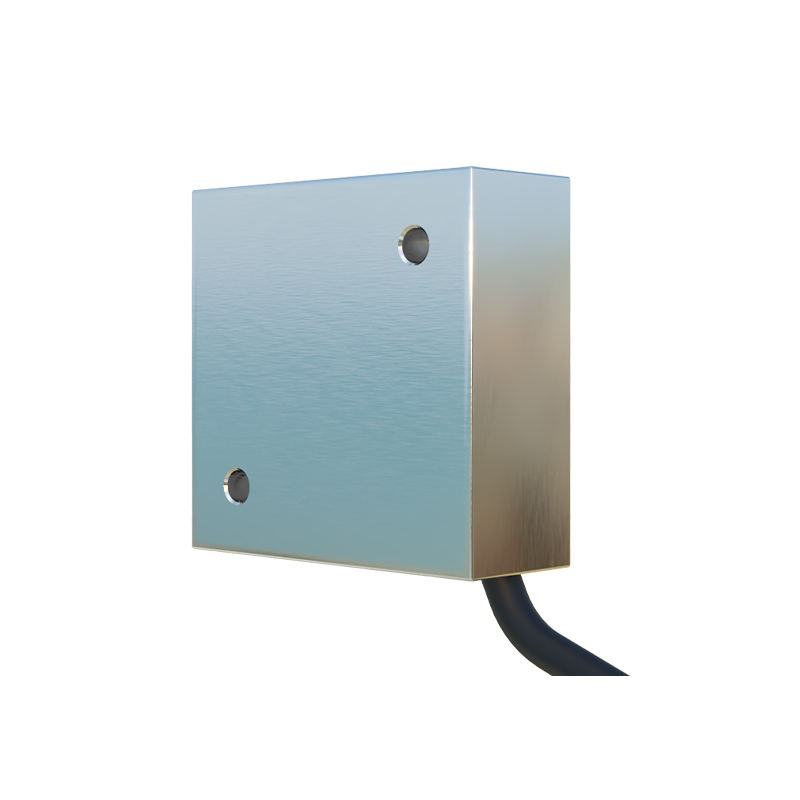
Modbus RTU is another common protocol for Beiyang optoelectronic sensors, especially in legacy or cost-sensitive systems. It uses a master-slave architecture over RS-485 or RS-232 physical layers, with data transmitted in binary format. The protocol supports function codes for reading and writing registers, allowing access to sensor status, measurement values, and configuration parameters. For Beiyang sensors, typical settings include 9600 baud, 8 data bits, 1 stop bit, and no parity. The maximum cable length for RS-485 is 1200 meters, suitable for distributed installations. Engineers must implement proper termination resistors and shielding to avoid signal reflections. Modbus RTU is reliable for simple data logging and control tasks.
Proprietary Serial Protocol: Customized for High-Speed Applications
Some Beiyang optoelectronic sensors feature a proprietary serial protocol designed for high-speed or specialized applications. This protocol often uses a synchronous UART interface with a custom frame structure, including start bits, data bytes, and checksum fields. The baud rate can reach up to 1 Mbps, enabling fast response times for applications like conveyor belt sorting or high-speed counting. The protocol supports both analog and digital outputs, with configuration via software tools. Engineers should consult the specific sensor datasheet for frame formats and timing diagrams. This protocol is less interoperable but offers optimized performance for specific use cases.
Key Considerations for Protocol Selection
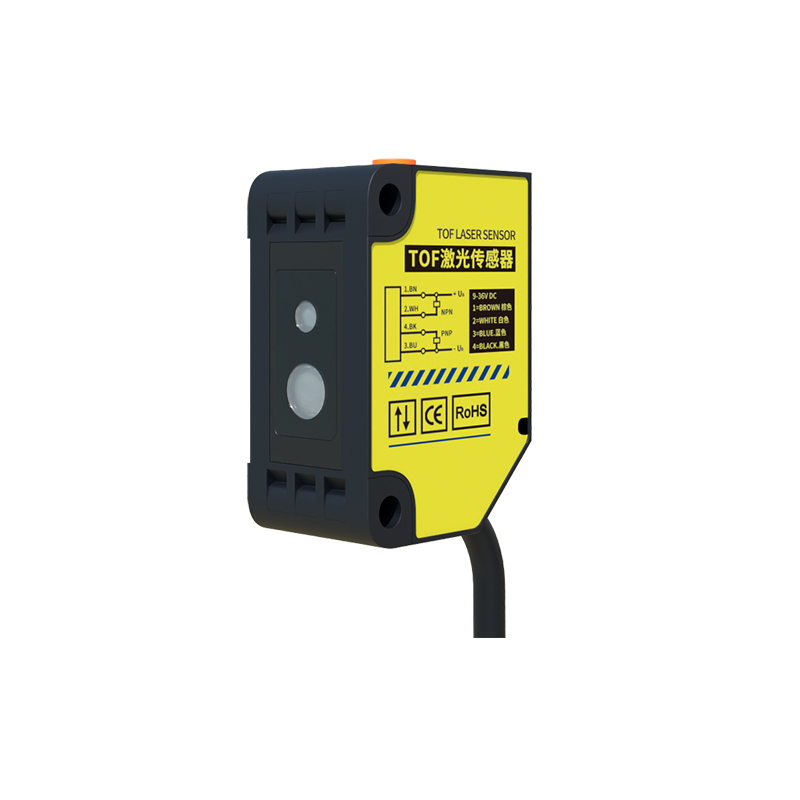
When selecting a communication protocol for Beiyang optoelectronic sensors, engineers must evaluate factors such as system architecture, data rate requirements, and compatibility with existing controllers. IO-Link is recommended for new installations requiring advanced diagnostics and remote parameterization. Modbus RTU is suitable for integrating sensors into existing PLC systems with serial communication. The proprietary protocol is best for applications demanding ultra-fast response times. Additionally, consider cable types, noise immunity, and power supply constraints to ensure reliable operation. Proper validation through testing is essential to avoid communication errors in harsh industrial environments.
Future Trends and Integration
The evolution of industrial IoT is driving Beiyang to adopt more advanced protocols like OPC UA and MQTT for cloud connectivity. These protocols enable edge computing and data analytics, enhancing sensor intelligence. However, traditional protocols like IO-Link and Modbus remain prevalent due to their proven reliability. Engineers should plan for hybrid systems that combine local real-time control with cloud-based monitoring. Understanding the strengths and limitations of each protocol is key to optimizing performance and scalability in modern automation systems.