Introduction to Mechanical Photoelectric Sensors
Mechanical photoelectric sensors are critical components in modern automation and industrial control systems. These devices use light to detect the presence, absence, or distance of objects, converting optical signals into electrical outputs. As an electrical engineer, I have worked extensively with these sensors in assembly lines, packaging machinery, and robotic systems. Leading manufacturers in this field combine precision engineering with robust design to ensure reliability in harsh environments.
Key Players in the Sensor Market
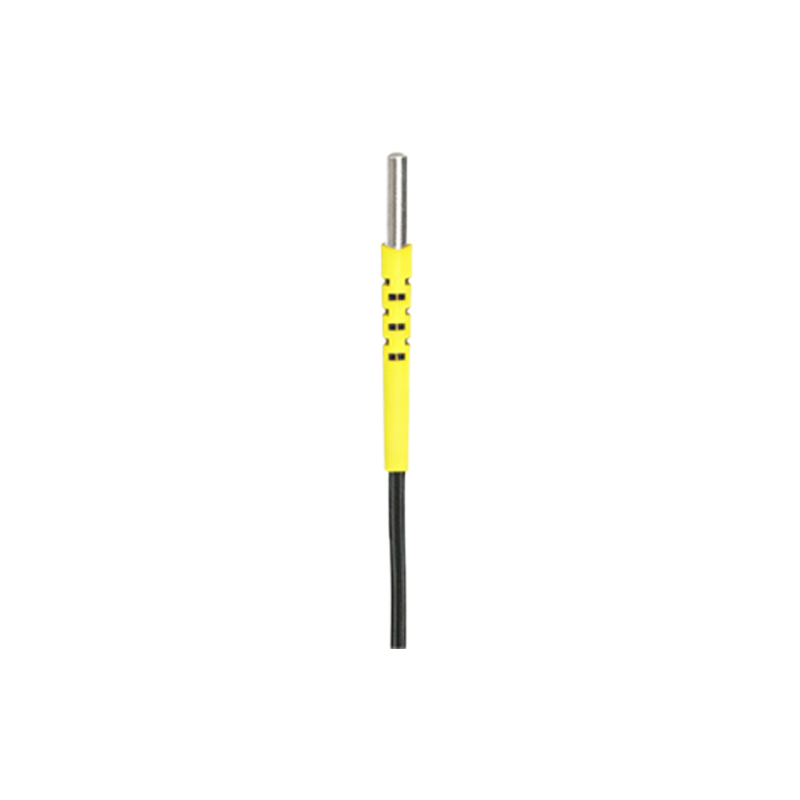
Several global companies dominate the mechanical photoelectric sensor market. SICK AG, based in Germany, offers advanced sensor families like the WLG16 for long-range detection. Omron Corporation from Japan provides compact, high-speed sensors such as the E3Z series, ideal for tight spaces. Banner Engineering in the USA specializes in rugged, corrosion-resistant models for food and beverage industries. These manufacturers invest heavily in R&D to reduce false triggers and improve response times.
Technological Innovations by Leading Brands
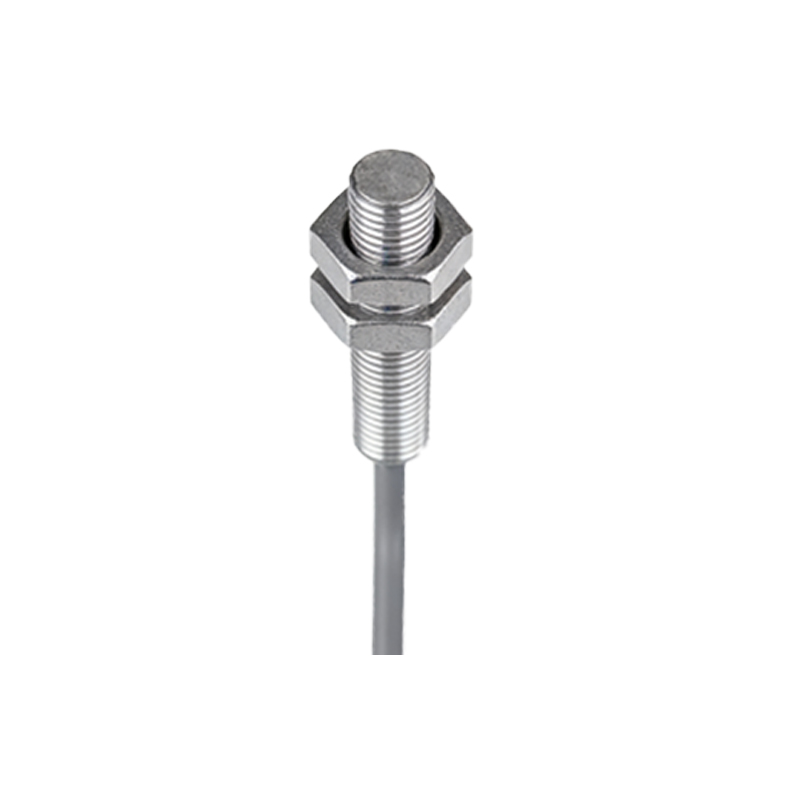
Recent innovations include background suppression technology from SICK, which ignores reflections beyond a set distance. Omron has introduced IO-Link enabled sensors for real-time diagnostics and parameter adjustment. Banner's Q4X series uses laser triangulation for micron-level accuracy. These advancements allow sensors to operate effectively in dusty, wet, or vibrating conditions, common in heavy manufacturing.
Application-Specific Solutions from Top Vendors
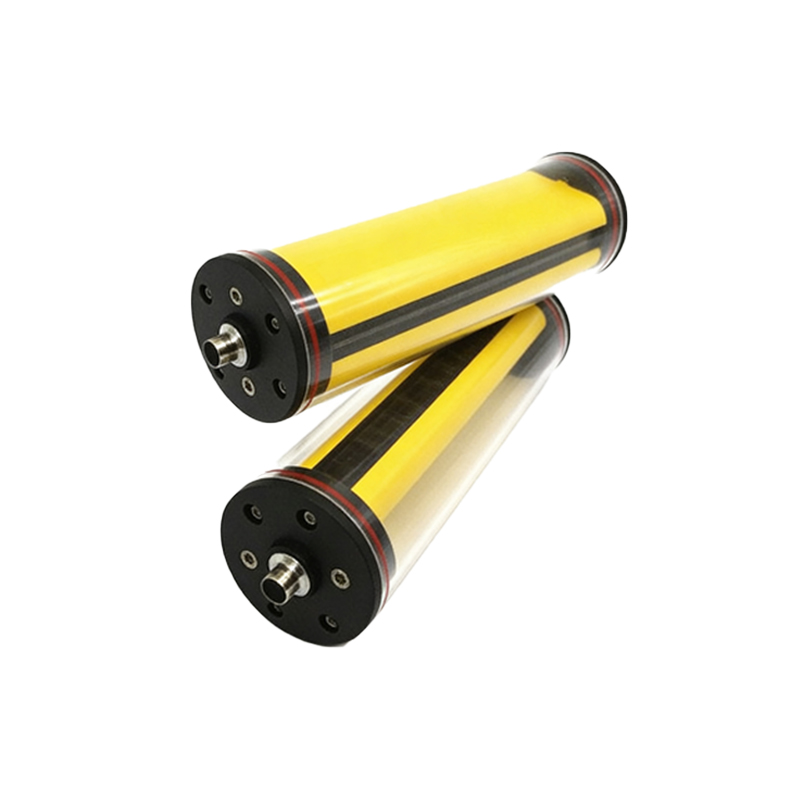
For automotive assembly, Pepperl+Fuchs offers diffuse-reflective sensors with polarized filters to handle shiny surfaces. In warehouse logistics, Turck's Uprox series provides non-contact detection up to 50 meters. Iftek from Switzerland develops explosion-proof sensors for chemical plants. Each manufacturer tailors their products to meet industry-specific standards like IP67 or ATEX.
Selecting the Right Sensor Manufacturer
When choosing a supplier, consider factors like sensor range, output type, and environmental rating. For instance, if your application involves high temperatures, look for models from Baumer with ceramic housings. For cost-sensitive projects, Panasonic offers reliable alternatives like the CX-400 series. Always request sample units for on-site testing to verify compatibility with your control system.
Future Trends in Photoelectric Sensor Technology
The industry is moving towards smart sensors with embedded software for edge computing. Companies like Keyence now integrate machine learning to adapt detection thresholds automatically. Wireless photoelectric sensors from Balluff eliminate cabling in rotating machinery. These developments will enhance predictive maintenance and reduce downtime in electrical systems.
Conclusion: Partnering with Reputable Manufacturers
Collaborating with established manufacturers ensures access to technical support and long-term product availability. I recommend evaluating SICK, Omron, or Banner for most industrial needs. Their sensors offer the best balance of performance, durability, and cost. For specialized applications, consult with regional distributors to find customized solutions.