Introduction to Photoelectric Sensors and Their Evolution
Photoelectric sensors, which detect objects by emitting and receiving light beams, have become indispensable components in modern industrial automation. Over the past decade, advancements in semiconductor materials, signal processing, and miniaturization have driven significant evolution. Traditional through-beam and retro-reflective sensors now compete with more sophisticated models offering enhanced range, accuracy, and environmental resilience. These improvements are particularly vital in sectors like automotive manufacturing, logistics, and food processing, where precise object detection is critical.
Development of Solid-State Emitters and Receivers
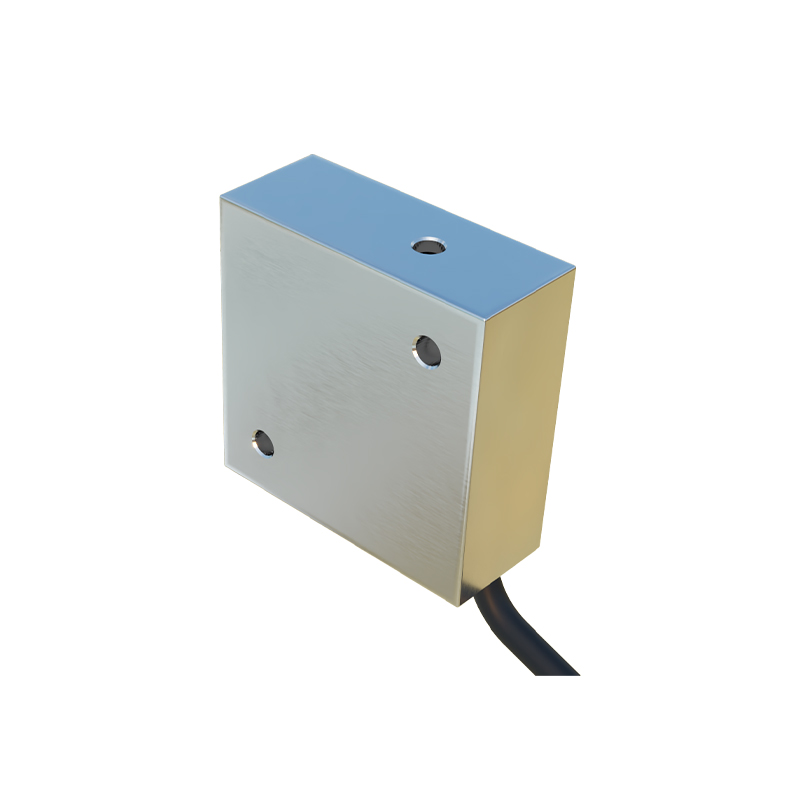
Recent breakthroughs in solid-state light sources, such as high-efficiency LEDs and vertical-cavity surface-emitting lasers (VCSELs), have expanded the operational spectrum of photoelectric sensors. VCSELs, for instance, provide narrower beam widths and higher power density, enabling detection over longer distances with reduced power consumption. Meanwhile, advancements in photodiode and avalanche photodiode (APD) receivers have improved sensitivity to low-light conditions, allowing sensors to function reliably in dusty or high-ambient-light environments. These components also support faster switching speeds, which is essential for high-speed production lines.
Integration of Smart Signal Processing and AI
The incorporation of digital signal processors (DSPs) and artificial intelligence (AI) algorithms marks a paradigm shift in photoelectric sensor capabilities. Modern sensors can now filter out background noise, compensate for lens contamination, and adapt to varying target colors or surfaces. For example, AI-based object recognition enables sensors to distinguish between different types of materials (e.g., metal vs. plastic) even when they share similar optical properties. This intelligence reduces false triggers and enhances reliability in complex automation tasks.
Enhanced Environmental Robustness and Miniaturization
Newer photoelectric sensors are engineered to withstand harsh industrial conditions, including extreme temperatures, humidity, vibration, and exposure to chemicals. Hermetic sealing, robust housings made from stainless steel or reinforced polymers, and IP69K ratings are now common. At the same time, miniaturization trends have produced sensors as small as a few millimeters in diameter, facilitating integration into tight spaces like robotic grippers or compact conveyor systems. This balance of durability and size is crucial for modern, space-constrained factories.
Wireless and Networked Communication Protocols
The shift toward Industry 4.0 has driven the adoption of photoelectric sensors with built-in wireless capabilities (e.g., Bluetooth, Wi-Fi, or proprietary RF protocols) and compatibility with industrial Ethernet standards like PROFINET, EtherNet/IP, and IO-Link. These sensors can transmit real-time data on detection events, diagnostic information, and maintenance alerts directly to central control systems. This connectivity allows for predictive maintenance, reduced downtime, and easier reconfiguration of production lines, aligning with the demands of smart manufacturing.
Future Trends: Multispectral and 3D Sensing
Emerging photoelectric sensors are beginning to leverage multispectral imaging (e.g., combining visible, infrared, and ultraviolet light) to detect objects with unprecedented detail. Additionally, time-of-flight (ToF) and structured light technologies enable 3D spatial sensing, which is valuable for robotics, autonomous guided vehicles (AGVs), and quality inspection. These innovations promise to further blur the line between simple presence detection and complex environmental perception, opening new possibilities in automation and logistics.
Conclusion: A Transformative Era for Photoelectric Sensors
The latest developments in photoelectric sensor technology reflect a broader trend toward smarter, more adaptable, and highly integrated industrial components. With advancements in solid-state emitters, AI processing, environmental hardening, and network connectivity, these sensors are now capable of meeting the most demanding application requirements. As the electrical industry continues to evolve, photoelectric sensors will remain a cornerstone of efficient, reliable automation systems, driving productivity and safety across diverse sectors.