Understanding Optical Sensors in Modern Industry
Optical sensors, also known as photoelectric sensors, are critical components in industrial automation systems. They detect the presence, absence, or distance of objects using light beams, typically infrared or visible light. These sensors offer non-contact detection, which minimizes wear and tear, making them ideal for high-speed manufacturing lines, packaging, and material handling. Their ability to operate in harsh environments—such as dusty, wet, or vibrating conditions—further underscores their value in sectors like automotive, food and beverage, and logistics.
Key Service Advantages of Optical Sensors
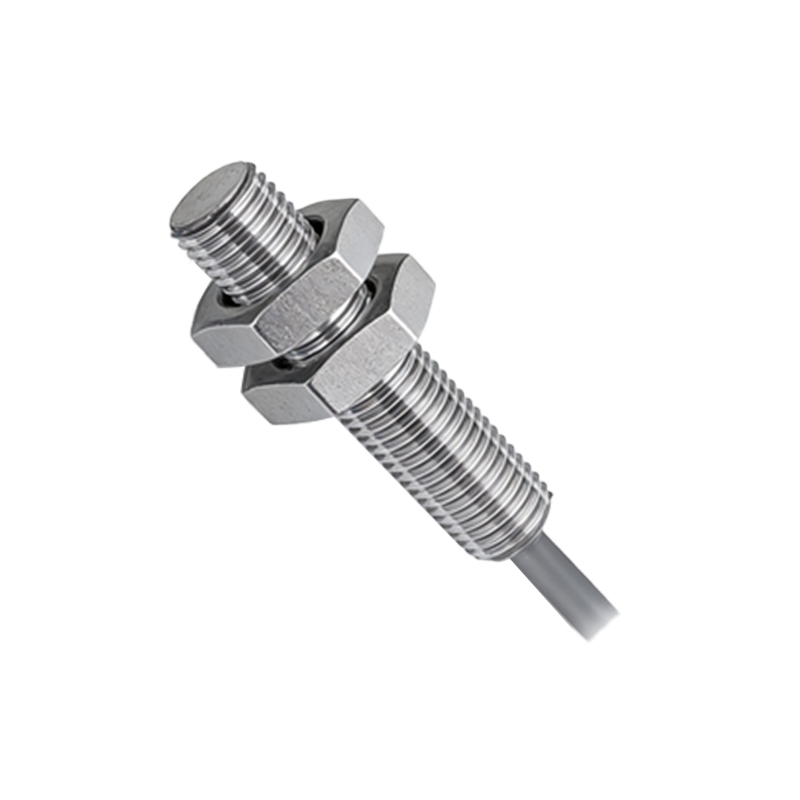
The service excellence of optical sensors stems from their reliability, accuracy, and low maintenance. Unlike mechanical switches, optical sensors eliminate physical contact, reducing downtime. Advanced models feature self-diagnostics and error-checking functions, which alert operators to potential issues before failure. Additionally, many sensors come with IP67 or higher ratings, ensuring water and dust ingress protection. This robust design translates to extended operational life, even in challenging conditions, thereby lowering total cost of ownership for industrial users.
Application-Specific Solutions for Diverse Needs
Optical sensors are versatile, with configurations tailored to specific applications. Through-beam sensors offer long-range detection up to 30 meters, ideal for large warehouses. Retro-reflective sensors use a reflector to detect clear or shiny objects, common in bottling lines. Diffuse sensors, on the other hand, work well for short-range tasks like counting small parts. By selecting the correct type, engineers can optimize system performance, reduce false triggers, and improve throughput. Customizable mounting brackets and cable lengths further enhance integration ease.
Ease of Installation and Integration
Modern optical sensors are designed for plug-and-play installation, reducing setup time. They typically support multiple output types—such as NPN, PNP, or analog—and are compatible with PLCs, counters, and industrial networks like IO-Link. Quick-connect M12 connectors and LED status indicators simplify troubleshooting. Calibration tools, including potentiometers or teach-in buttons, allow precise adjustment without additional equipment. This user-centric approach minimizes engineering hours and accelerates project timelines.
Advanced Features for Enhanced Productivity
Leading optical sensors now incorporate smart features like background suppression, which ignores objects beyond a set range, and adjustable sensitivity for transparent materials. Some models have built-in timers, logic functions, or laser-based detection for micron-level accuracy. These capabilities enable complex automation tasks, such as positioning, sorting, and quality inspection. With communication protocols like Ethernet/IP or PROFINET, sensors can relay real-time data to centralized control systems, facilitating predictive maintenance and data-driven decisions.
Durability and Long-Term Performance
Service excellence also hinges on durability. Optical sensors in industrial settings must withstand temperature extremes (e.g., -25°C to 60°C), mechanical shock, and electrical noise. High-quality sensors use sealed housings, reinforced glass lenses, and immune circuits to ensure stability. Many manufacturers offer extended warranties and technical support, reflecting confidence in their products. Regular cleaning of lenses and periodic testing are simple but effective practices to maintain peak performance over years of operation.
Choosing the Right Optical Sensor for Your Operation
To maximize service benefits, engineers should evaluate factors like detection range, object characteristics, and environmental conditions. For example, in cleanroom settings, use sensors with stainless steel housings and scratch-resistant optics. In high-speed applications, opt for models with response times under 1 millisecond. Consulting with suppliers for application-specific recommendations can prevent costly mismatches. Ultimately, investing in high-quality optical sensors from reputable brands ensures consistent operation and minimal downtime.
Future Trends in Optical Sensor Technology
The evolution of optical sensors continues to drive industrial automation forward. Emerging trends include miniaturization for compact machines, integration of artificial intelligence for adaptive detection, and wireless connectivity for flexible layouts. Energy-efficient models with low power consumption are also gaining traction. As Industry 4.0 expands, optical sensors will play a pivotal role in creating smarter, more responsive factories. Staying informed about these advancements helps businesses maintain competitive advantage.