Introduction to Photoelectric Sensors in Barcode Applications
Photoelectric sensors have become indispensable tools in modern industrial automation, particularly for barcode detection and identification. Unlike traditional laser scanners, these sensors use emitted light beams to detect the presence, position, and pattern of reflective or non-reflective surfaces. In barcode reading, they excel at distinguishing between black bars and white spaces by analyzing variations in reflected light intensity. This technology is widely applied in logistics, packaging, and manufacturing lines where high-speed and reliable barcode verification is critical. The core advantage lies in their ability to function under challenging conditions, such as dust, vibration, or varying lighting environments, without compromising read rates.
How Photoelectric Sensors Interpret Barcode Patterns
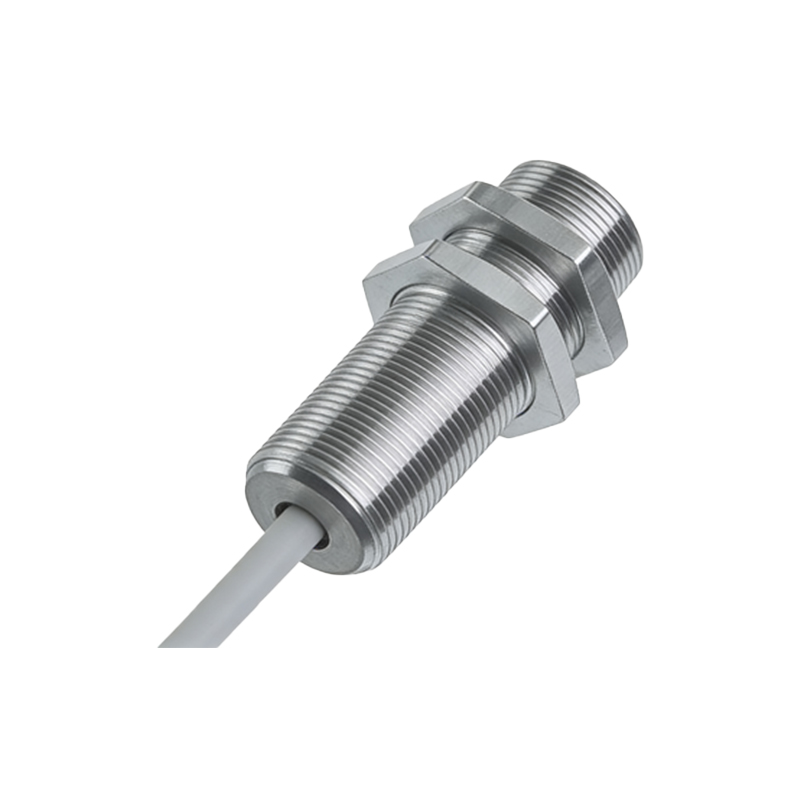
The principle of operation for photoelectric sensors in barcode display relies on the contrast between the dark bars and bright spaces. A focused light source, typically an LED or laser diode, illuminates the barcode surface. The sensor’s receiver then measures the amount of light reflected back. Dark bars absorb more light, resulting in lower reflected intensity, while white spaces reflect a larger proportion. This analog signal is converted into a digital pattern, which is decoded into alphanumeric data by the sensor’s internal logic or connected decoder. Key parameters such as beam diameter, scanning frequency, and sensitivity thresholds are optimized to ensure accurate edge detection, even for damaged or poorly printed codes.
Key Performance Factors: Contrast, Resolution, and Speed
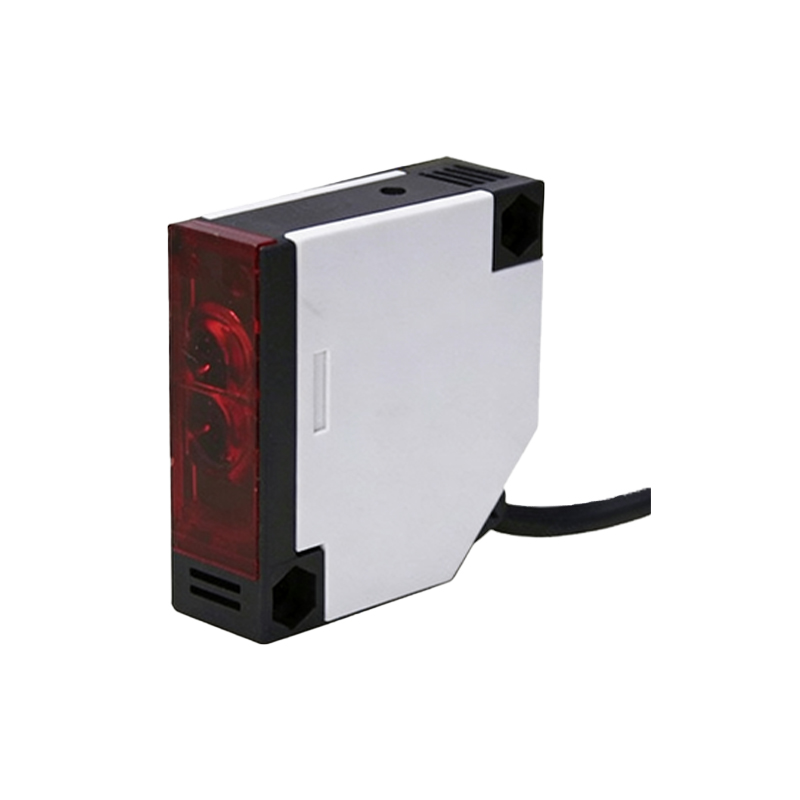
Three critical factors determine the effectiveness of photoelectric sensors in barcode reading. First, contrast sensitivity must be high enough to differentiate between subtle gray-scale differences, especially for low-quality labels. Second, resolution refers to the sensor’s ability to distinguish narrow bar widths; high-resolution sensors are essential for dense 2D codes like QR or Data Matrix. Third, scanning speed must match the conveyor belt velocities in automated systems, often exceeding 1,000 scans per second. Engineers must balance these parameters based on the specific barcode standard, material surface, and ambient lighting conditions. Regular calibration and preventive maintenance ensure consistent performance.
Practical Implementation Tips for Industrial Settings
Integrating photoelectric sensors into barcode reading systems requires careful planning. Mount the sensor at an angle between 15 to 30 degrees relative to the barcode surface to minimize glare from glossy labels. Use red or infrared light sources for better contrast on colored backgrounds. Adjust the sensor’s output type—PNP or NPN—to match the PLC or controller input. For high-speed lines, enable a latch function to capture the barcode signal when the object passes a trigger point. Additionally, consider environmental factors like ambient light interference; install shields or use modulated light sensors to filter out external noise. Testing with a variety of barcode samples during commissioning helps identify potential blind spots.
Common Troubleshooting and Optimization Strategies
When barcode reading failures occur, diagnose the sensor’s output signal using an oscilloscope or diagnostic tool. Low reflection contrast may indicate a dirty lens, worn-out emitter, or incorrect focus distance. Adjust the sensing distance according to the manufacturer’s specifications, usually between 10 to 300 mm for most models. If false readings persist, reduce the sensor’s response time or increase its hysteresis to avoid noise from vibration. For curved surfaces, use a defocused beam to cover a larger area. Finally, integrate a feedback loop where the sensor communicates read status to a central system, enabling real-time data logging and automatic rejection of unreadable items.
Future Trends: Smart Sensors and AI Integration
The evolution of photoelectric sensors is moving toward smarter, self-calibrating units with embedded machine learning capabilities. These advanced sensors can adapt to varying barcode quality and surface textures without manual intervention. Compact designs now integrate barcode decoding directly into the sensor housing, reducing external decoder costs. Industry 4.0 connectivity options, such as IO-Link, allow remote parameter adjustments and predictive maintenance alerts. As barcode technologies evolve, including color barcodes and invisible UV codes, photoelectric sensors will continue to play a vital role in ensuring traceability and efficiency across supply chains.