Introduction to Ultra-Miniature Diffuse Reflective Sensors
In modern industrial automation, space constraints often challenge sensor integration. Ultra-miniature diffuse reflective photoelectric sensors address this by combining compact design with reliable object detection. Unlike through-beam or retro-reflective types, diffuse sensors emit and receive light from a single housing, detecting objects by the reflected light from the target itself. Their miniature size—often as small as 5 mm in diameter—makes them ideal for installation in tight machinery, robotic arms, or PCB assembly lines.
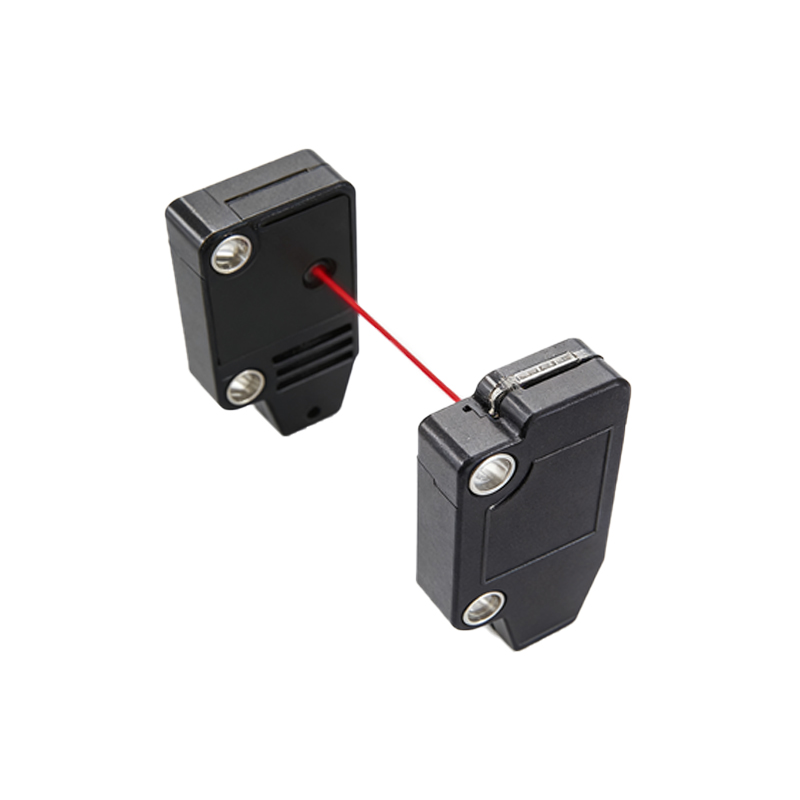
Key Technical Specifications
These sensors typically operate with a detection range of 5 mm to 50 mm, depending on target reflectivity and ambient light conditions. Common light sources include red LED (650 nm) or infrared LED (850 nm). Output options range from NPN/PNP open-collector to push-pull configurations, with response times as low as 0.5 ms. Supply voltage is usually 10-30 V DC, and protection ratings of IP67 or higher ensure durability in dusty or wet environments. For precise applications, some models offer background suppression or adjustable sensitivity via a potentiometer.
Installation and Wiring Best Practices
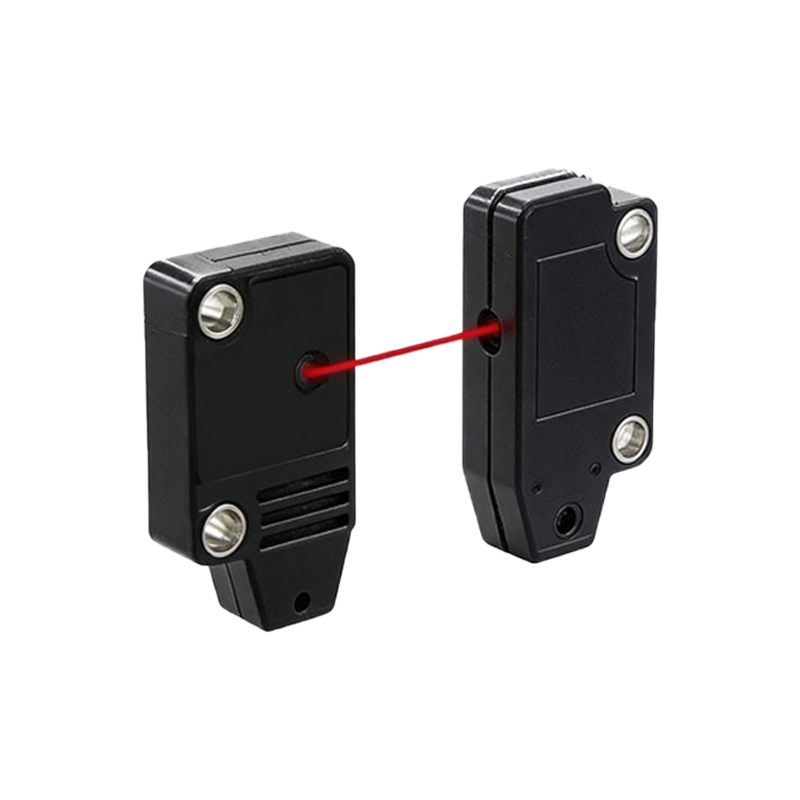
When installing, ensure the sensor’s optical axis is perpendicular to the target surface for optimal reflection. Avoid direct exposure to sunlight or high-intensity artificial light to prevent false triggers. Use shielded cables for noisy environments, and maintain a minimum bending radius for fiber-optic variants. Wiring should follow the color code: brown for V+, blue for V-, black for output signal (load), and white/gray for optional functions like teach-in or alarm.
Common Applications in Industry
- Pick-and-Place Machines: Detecting small components like capacitors or resistors on conveyor belts.
- Printing and Labeling: Monitoring paper or label presence in tight print heads.
- Medical Device Assembly: Verifying needle or tube positions in micro-assembly robots.
- Automotive Parts: Detecting seal rings or gaskets in engine valve assemblies.
- Packaging: Counting blister packs or verifying lid closures in pharma packaging lines.
Troubleshooting and Calibration Tips
If false detections occur, check for reflective backgrounds (e.g., shiny metal) or ambient interference. Reduce sensitivity if sensors detect objects beyond the intended range. For dark or irregular targets, select a sensor with higher LED power or narrower beam angle. Regular cleaning of the lens using a lint-free cloth prevents signal degradation. In multi-sensor setups, stagger mounting positions to avoid optical crosstalk.
Conclusion and Future Trends
Ultra-miniature diffuse reflective sensors continue evolving with CMOS imaging, IO-Link communication, and self-teaching algorithms. These advancements enhance adaptability in Industry 4.0 environments, where real-time data and predictive maintenance are critical. Engineers should evaluate detection range, target color, and ambient conditions when selecting models, ensuring cost-effective and reliable automation solutions.