Introduction to Photoelectric Sensors
Photoelectric sensors are fundamental components in industrial automation, converting light signals into electrical outputs to detect objects, distances, or surface conditions. These sensors operate based on the principle of light emission and reception, making them ideal for non-contact detection in harsh environments. As an electrical engineer, you must understand their physical construction, wiring, and application nuances to optimize system reliability.

Key Components and Working Principle
A typical photoelectric sensor consists of an emitter (LED or laser diode), a receiver (photodiode or phototransistor), and a control circuit. The emitter generates a modulated light beam, which is reflected or interrupted by the target object. The receiver captures the light and converts it into an electrical signal. Modulating the light helps filter out ambient interference, ensuring stable detection even in dusty or brightly lit conditions. For example, through-beam sensors use separate emitter and receiver units, while retro-reflective sensors combine them with a reflector. Diffuse sensors rely on reflection from the object itself.
Wiring and Electrical Considerations
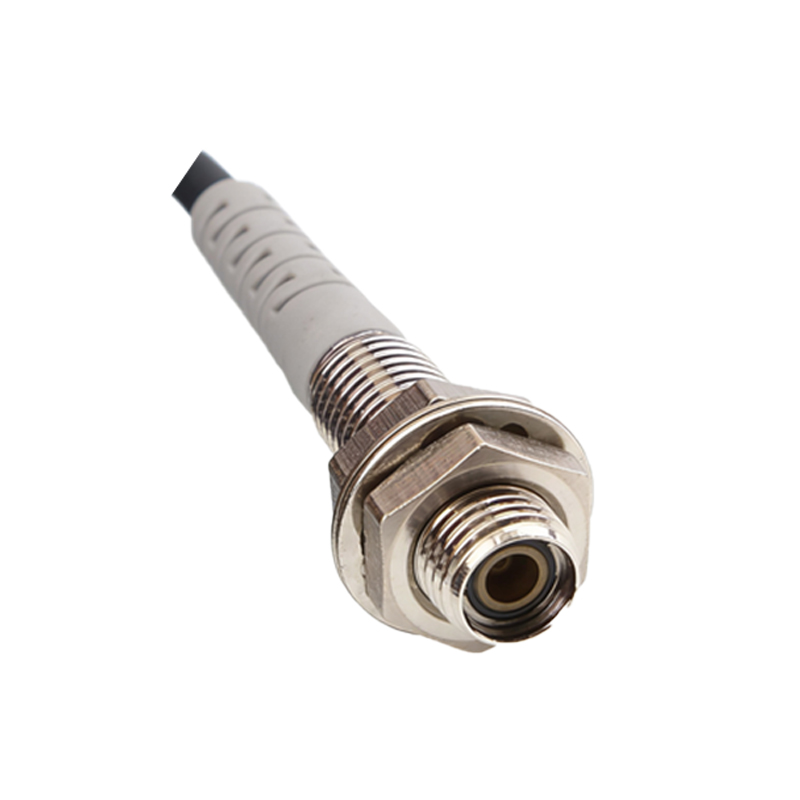
When integrating photoelectric sensors into a control system, pay attention to supply voltage (typically 10-30 VDC), output type (NPN or PNP), and load current. For PLC inputs, PNP sensors are common in many regions, but always verify the sinking or sourcing configuration. Use shielded cables for long distances to prevent electromagnetic interference. Include a flyback diode if the sensor drives inductive loads like relays. Additionally, consider the sensor’s response time (e.g., 0.5 ms for high-speed applications) and hysteresis to avoid false triggering.
Practical Installation Tips
Mount the sensor securely to avoid vibration-induced misalignment. For through-beam sensors, align the emitter and receiver precisely; even a 10-degree angular misalignment can reduce range by 50%. In retro-reflective setups, ensure the reflector is clean and perpendicular to the beam. For diffuse sensors, choose a sensing distance based on the target’s reflectivity—dark objects may require a 30% shorter range. Avoid placing sensors near reflective backgrounds to prevent ghost targets.
Troubleshooting Common Issues
If the sensor fails to detect, first check for dirty lenses or misalignment. Use a multimeter to verify supply voltage and output signal. For intermittent operation, look for loose connections or cable damage. Ambient light interference can be mitigated by using sensors with modulated light or adjustable sensitivity. In wet environments, select sensors with IP67 or higher ratings to prevent moisture ingress.
Conclusion and Best Practices
Mastering photoelectric sensors requires balancing theoretical knowledge with hands-on experience. Always refer to the manufacturer’s datasheet for specific electrical and mechanical parameters. Test the sensor in real-world conditions before finalizing the installation. By following these guidelines, you can leverage photoelectric sensors for reliable, high-speed detection in your automation projects.