Introduction to Mining Photoelectric Sensors
In the coal mining industry, photoelectric sensors play a critical role in ensuring safety and operational efficiency. These devices use light beams to detect the presence, absence, or position of objects, such as conveyor belt materials or machinery components. Unlike standard sensors, mining-grade photoelectric sensors are designed to withstand harsh underground environments, including dust, moisture, and vibration. This article provides a comprehensive visual guide to commonly used models, helping engineers and maintenance teams identify and select the right sensor for specific mining applications.
Key Features of Mining-Grade Photoelectric Sensors
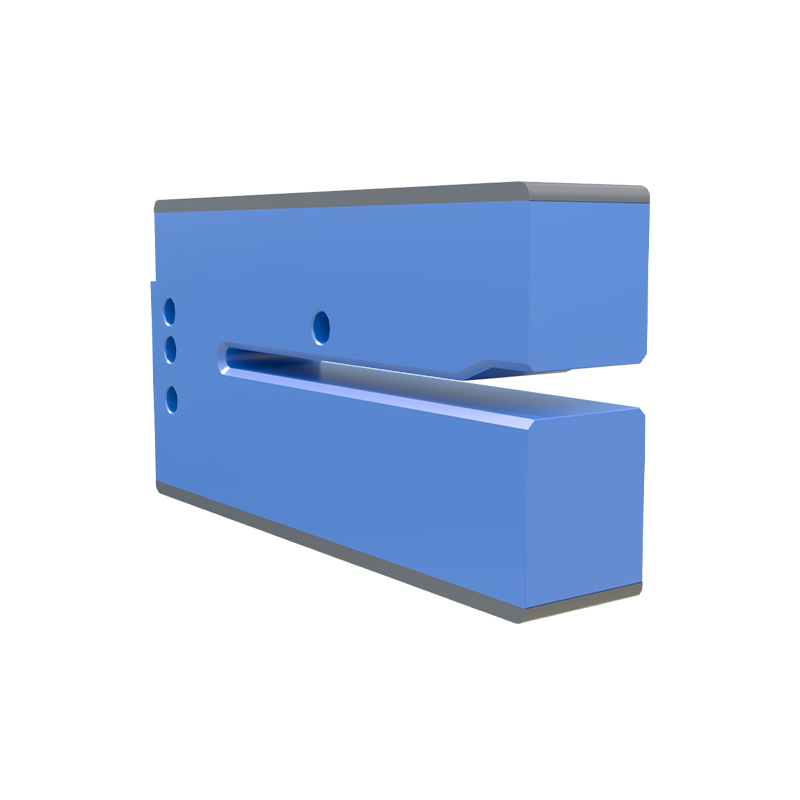
Mining photoelectric sensors are built with robust enclosures, often rated IP67 or higher, to resist water and dust ingress. They feature anti-explosion certifications, such as ATEX or IECEx, for use in flammable gas atmospheres. Common types include through-beam, retro-reflective, and diffuse sensors. Through-beam sensors offer long detection ranges, ideal for monitoring conveyor belt alignment. Retro-reflective sensors are used for detecting mine car positions, while diffuse sensors are suitable for short-range object detection in sorting systems. Each type is available in various housing styles, such as cylindrical and rectangular, with LED indicator lights for easy status monitoring.
Image Gallery: Through-Beam Sensors for Belt Conveyors
Image descriptions: A series of images showing through-beam photoelectric sensors installed on coal conveyor systems. The first image displays a transmitter and receiver pair mounted on opposite sides of a conveyor belt, with a visible red light beam crossing the belt path. The second image shows a close-up of the sensor housing, labeled with model numbers and IP68 rating, along with a stainless steel bracket. The third image illustrates the sensor’s wiring diagram and alignment adjustment screws. These sensors are commonly used to detect belt tears, material blockages, or misalignment, preventing costly downtime and accidents.
Image Gallery: Retro-Reflective Sensors for Mine Car Detection
Image descriptions: Images featuring retro-reflective sensors deployed in underground rail systems. The first image captures a sensor mounted on a tunnel wall, aimed at a reflector placed on the opposite side. The second image shows a mine car passing through the beam, triggering a signal to control doors or signals. The third image highlights the sensor’s compact design and built-in timer for delay adjustments. These sensors are essential for automating mine car loading and unloading processes, improving throughput while reducing manual intervention.
Image Gallery: Diffuse Sensors for Material Sorting
Image descriptions: Visuals of diffuse photoelectric sensors used in coal preparation plants. The first image shows a sensor mounted above a vibrating screen, detecting coal lumps and triggering a sorter. The second image provides a detailed view of the sensor’s lens, which is designed to resist coal dust accumulation through an air purge system. The third image demonstrates the sensor’s response to different materials, such as rock versus coal, using adjustable sensitivity settings. These sensors help improve sorting accuracy and reduce waste.
Installation and Maintenance Best Practices
Proper installation is crucial for sensor performance. Always align the sensor and reflector or receiver within the recommended range to avoid false triggers. Use shielded cables to minimize electromagnetic interference from nearby motors. For maintenance, regularly clean the optical surfaces with a soft cloth and isopropyl alcohol to remove dust and grime. Check the housing seals for damage, especially after exposure to moisture. Calibration should be performed monthly using a test target, as per the manufacturer’s guidelines. By following these practices, the sensor’s lifespan can be extended to over five years in harsh mining environments.
Conclusion and Recommendation
Selecting the right photoelectric sensor for coal mining applications requires careful consideration of environmental conditions, detection range, and certification requirements. The image galleries above provide a practical reference for common sensor types and their installations. For further assistance, consult the product datasheets or contact a qualified supplier who specializes in mining automation equipment. Regular inspection and adherence to safety standards will ensure reliable operation and contribute to a safer working environment underground.