Introduction to High-Speed Optical Sensors in Modern Mice
In the realm of industrial automation and precision engineering, the mouse has evolved from a simple input device to a critical tool for high-speed data acquisition and control. High-speed optical sensors, specifically designed for mice, now enable sub-millimeter tracking at speeds exceeding 100 inches per second (IPS). These sensors utilize advanced photodiodes and digital signal processors (DSPs) to capture surface textures with exceptional accuracy, eliminating mechanical lag and wear. For engineers, this translates to reliable cursor stability in CAD/CAM software, robotic control interfaces, and real-time monitoring systems. The key lies in CMOS sensor arrays that sample at rates above 10,000 frames per second, ensuring zero loss of tracking during rapid movements.
Technical Architecture: How High-Speed Optical Sensors Work
The core of a high-speed optical sensor is its illumination source (typically an infrared or red LED) and a lens system that focuses reflected light onto a pixel array. The sensor captures sequential images of the surface texture, comparing them via cross-correlation algorithms to calculate displacement vectors. Industrial-grade sensors feature adjustable resolution from 400 to 16,000 DPI, with a maximum acceleration tolerance of 50 g. This is achieved through a dedicated motion detection engine that minimizes latency to under 1 millisecond. Engineers must consider sensor lift-off distance (LOD) and surface compatibility—materials like carbon fiber or polished metal can degrade performance without proper calibration.
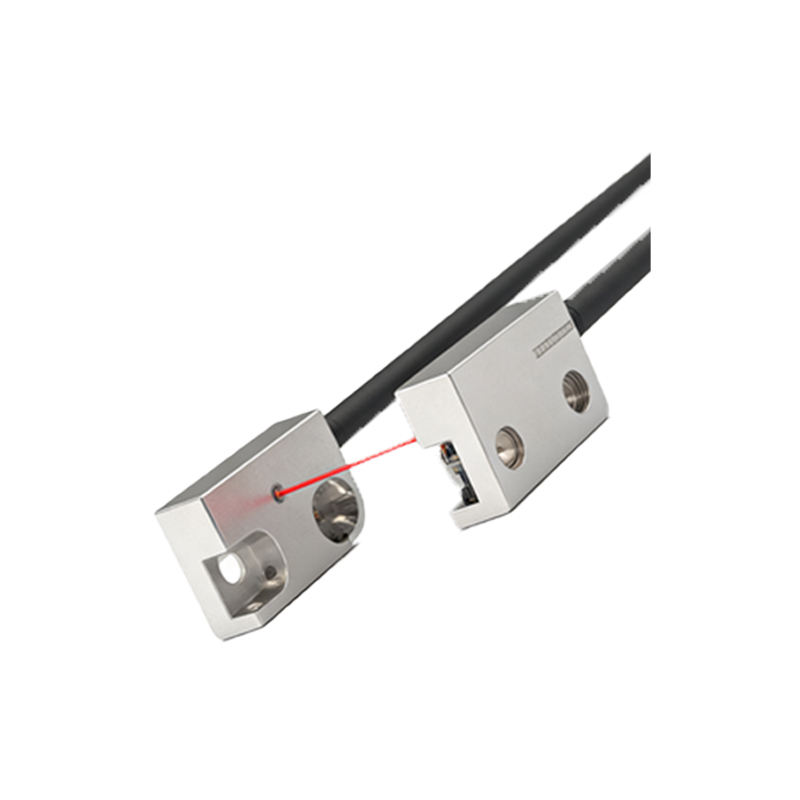
Key Performance Metrics for Industrial Applications
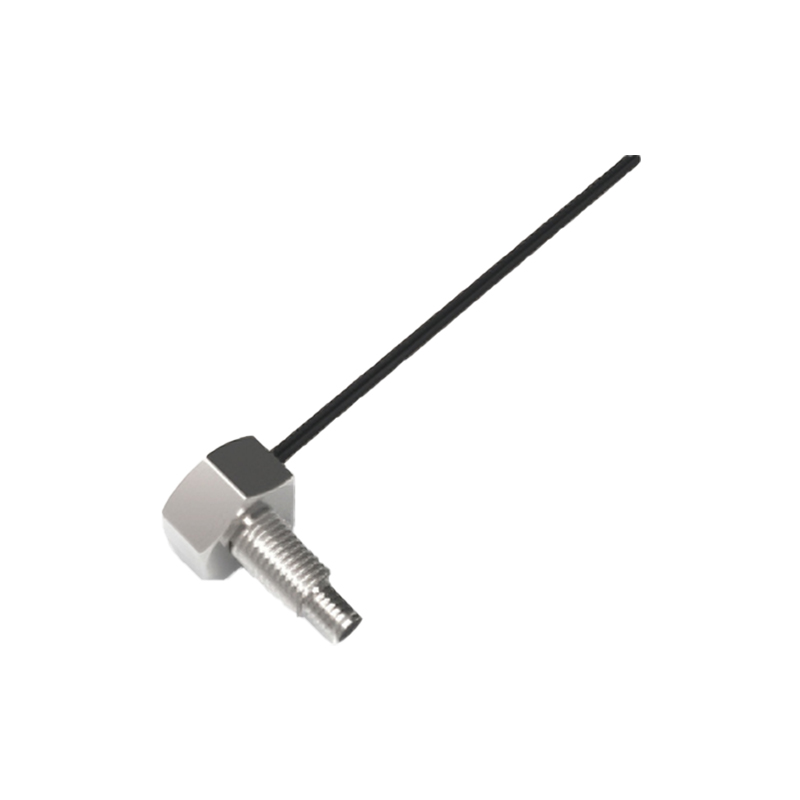
For deployment in manufacturing or lab environments, three metrics are paramount: tracking speed, accuracy, and power efficiency. A high-speed optical sensor should maintain 99.8% tracking accuracy at 100 IPS, even on glossy surfaces. Power consumption is critical for wireless designs, with modern sensors operating at 1.8 V and drawing less than 50 mA during active tracking. Additionally, jitter reduction algorithms (e.g., angle snapping) must be adjustable to prevent unintended cursor deviations during precise alignment tasks. Temperature stability is another factor—sensors should operate reliably from -10°C to 60°C.
Integration Challenges and Solutions
Integrating high-speed optical sensors into production systems poses challenges like electromagnetic interference (EMI) from nearby motors or power supplies. Shielding the sensor module with ferrite beads and using twisted-pair wiring for data lines mitigates noise. Firmware engineers must also handle motion blur at extreme speeds by implementing adaptive exposure control. A common solution is to deploy sensors with built-in programmable logic to adjust frame rates dynamically based on movement velocity. For multi-axis robotics, pairing the sensor with an inertial measurement unit (IMU) can correct drift errors in real-time.
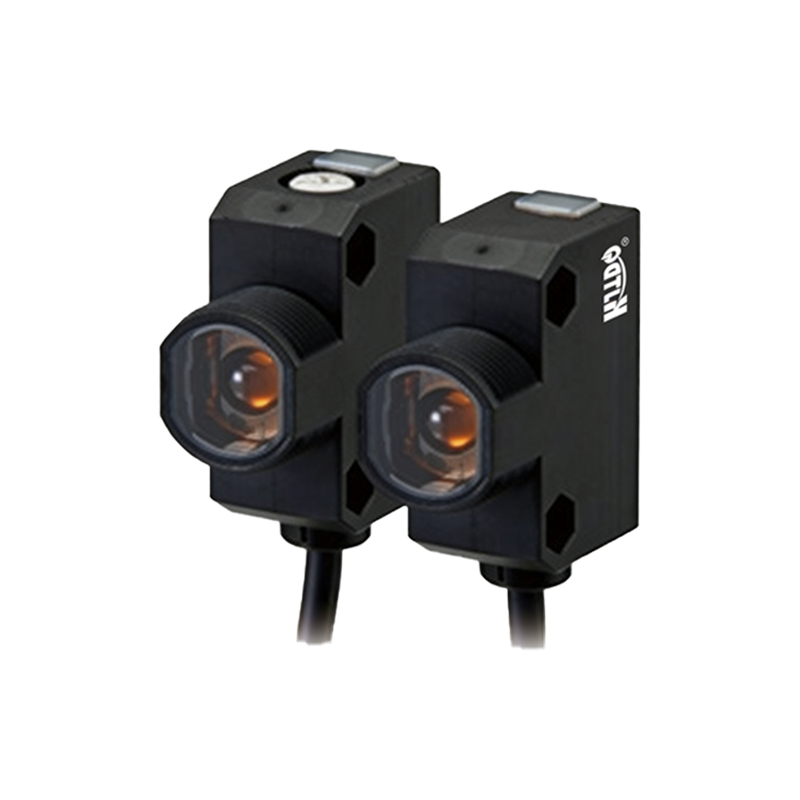
Future Trends and Optimization Strategies
Emerging high-speed optical sensors now incorporate AI-based predictive algorithms to anticipate motion patterns, reducing latency further to 0.5 ms. For industrial users, optimizing sensor placement and surface texture—such as using micro-engraved mouse pads with random dot patterns—can enhance tracking fidelity. Engineers should also explore hybrid sensors that combine optical and laser technologies for improved performance on glass or transparent surfaces. With the rise of Industry 4.0, these sensors are being adapted for non-contact position sensing in conveyor systems and CNC machines, offering a cost-effective alternative to traditional encoders.