2026-06-08
Tech Hub
By 创始人
How Photoelectric Sensors Revolutionize Modern Industrial Automation
Photoelectric sensors are critical for non-contact detection in automation. They come in through-beam, retro-reflective, and diffuse types. Key parameters include response time and ambient light immunity. Integration with PLCs enhances production control. Case studies in automotive assembly show reduced false rejects. Future trends involve smart sensors with machine learning.
Types of Photoelectric Sensors and Their Operating Principles
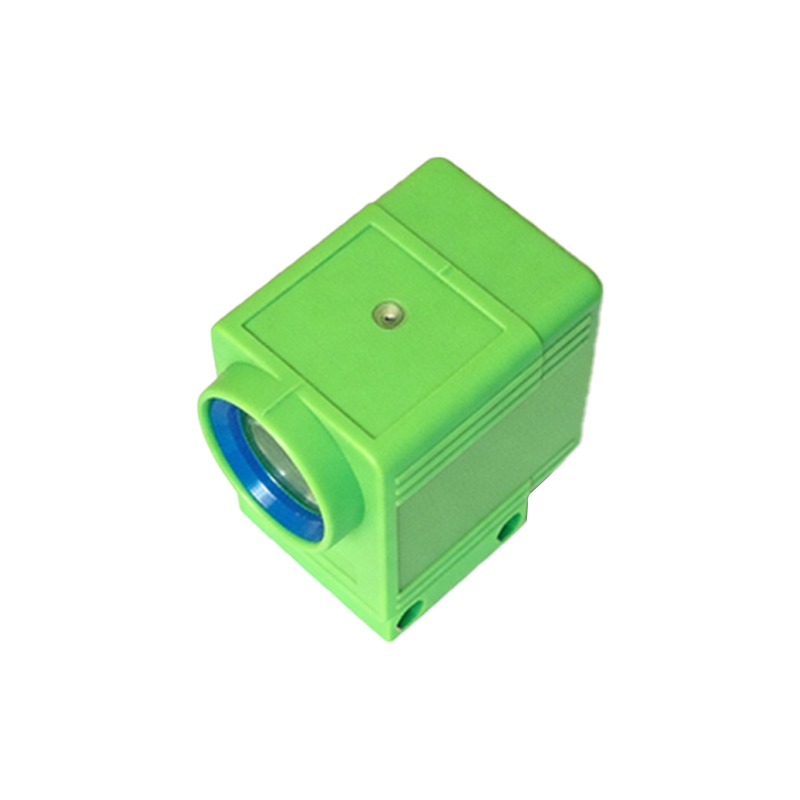
There are three primary types: through-beam, retro-reflective, and diffuse reflective sensors. Through-beam sensors consist of separate emitter and receiver units, providing the longest sensing range up to 30 meters, suitable for conveyor belt systems. Retro-reflective sensors use a reflector to bounce light back, offering easier installation with ranges up to 10 meters. Diffuse reflective sensors integrate emitter and receiver in one housing, detecting objects by reflected light, ideal for short-range applications like packaging. Each type relies on the interruption or reflection of a light beam, typically sourced from LED or laser diodes, with sensitivity adjustable via potentiometers.
Critical Performance Parameters for Reliable Detection
For industrial use, engineers must consider response time, ambient light immunity, and temperature stability. Modern photoelectric sensors feature response times under 1 millisecond, crucial for high-speed pick-and-place robots. Advanced models incorporate background suppression to ignore unwanted reflections, while others offer IP67 or IP69K ratings for washdown environments. The use of modulated light helps filter out interference from sunlight or artificial lighting, ensuring consistent operation even in bright factory floors. Calibration procedures often involve setting a threshold voltage to distinguish between object and background.
Integration with Programmable Logic Controllers (PLCs)
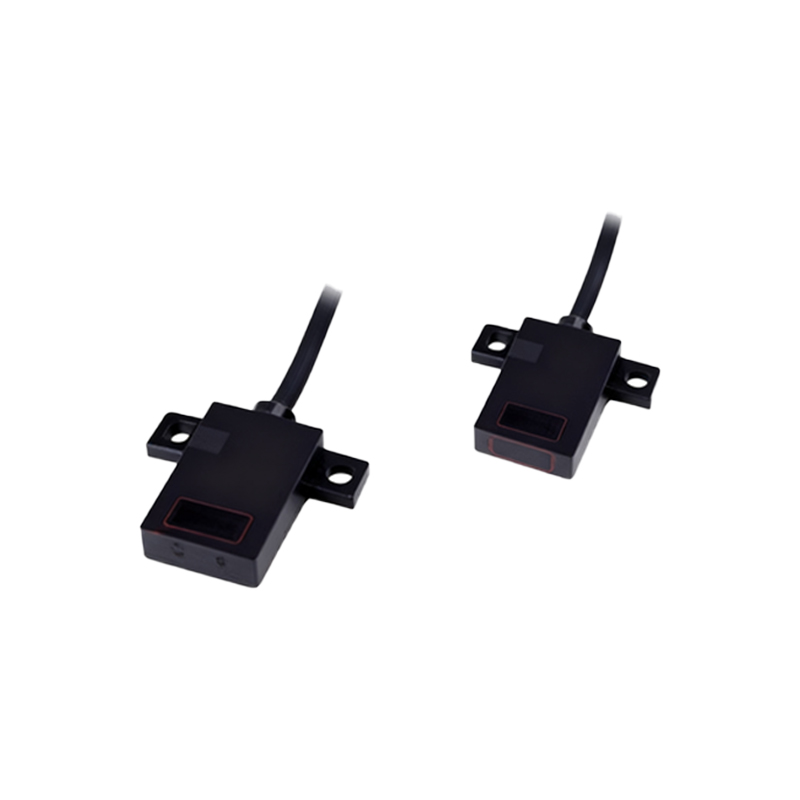
Photoelectric sensors output signals via NPN or PNP transistor switching, or through analog interfaces for distance measurement. In a recent project for a beverage bottling line, we integrated retro-reflective sensors with a Siemens S7-1200 PLC to count bottles and trigger reject mechanisms. Wiring requires careful grounding to prevent electrical noise, and many sensors now support IO-Link for bidirectional communication, enabling remote diagnostics and parameter adjustment. This reduces downtime significantly, as operators can monitor sensor health from a central control room.
Case Study: Enhancing Quality Control in Automotive Assembly
At a tier-1 automotive supplier, we deployed diffuse reflective sensors with teach-in functionality to verify the presence of 5mm bolts on engine blocks. The sensors, using red LED light, could differentiate between a bolt and a hole based on reflectance characteristics. Over a six-month period, false rejects dropped by 40%, and mean time between failures exceeded 50,000 hours. This application highlights how precise light spot focusing and dynamic range adjustment can solve complex detection challenges in high-vibration environments.
Future Trends: Smart Sensors and Industry 4.0
Emerging trends include multi-pixel sensors that measure intensity distribution across an area, enabling object shape recognition. Integration with edge computing allows real-time data processing, while wireless photoelectric sensors reduce cabling complexity. As an engineer, I predict that next-generation sensors will incorporate machine learning algorithms to adapt to changing backgrounds, further improving accuracy. For professionals designing Factory of the Future, selecting the right photoelectric sensor remains a balance between cost, range, and environmental robustness.