Introduction to the Photoelectric Sensor Market
In the electrical automation and industrial control sectors, photoelectric sensors are indispensable components for object detection, positioning, and counting. As a senior electrical engineer, I have observed that pricing for these sensors fluctuates based on technology type, sensing range, environmental ratings, and brand reputation. In 2024, the global market for photoelectric sensors is projected to exceed $4 billion, driven by Industry 4.0 adoption and increased demand for smart manufacturing. This article provides a detailed breakdown of current price ranges for through-beam, retro-reflective, and diffuse sensors, along with factors influencing costs.
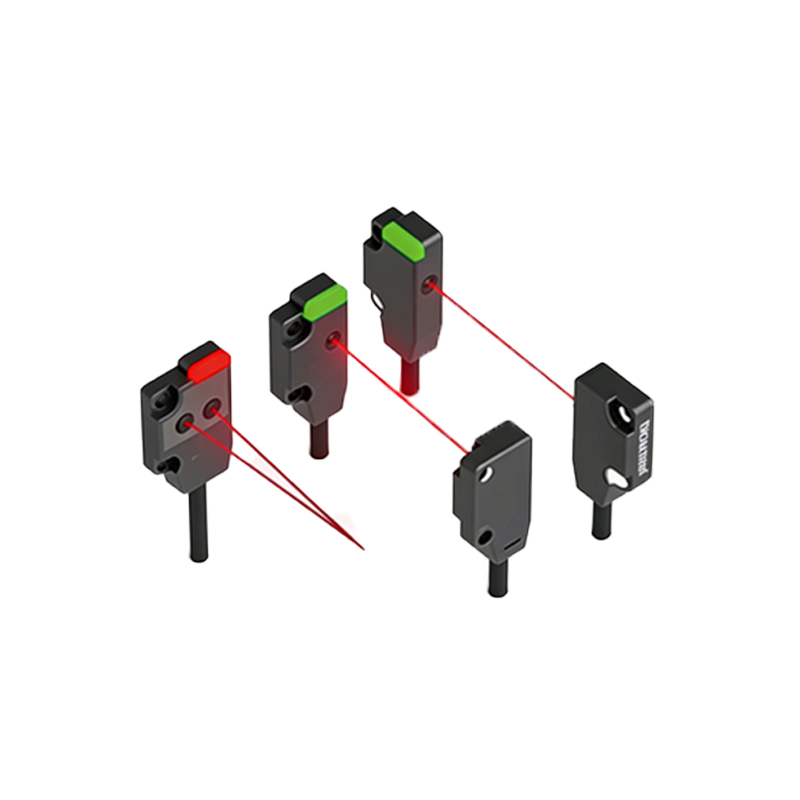
Price Ranges for Through-Beam Photoelectric Sensors
Through-beam sensors, which consist of separate emitter and receiver units, offer the longest detection ranges and highest reliability in dusty or contaminated environments. For standard models with a sensing distance of 10 to 30 meters, prices typically range from $50 to $180 per unit. High-end brands like Sick, Banner Engineering, and Omron, which feature IP67 or IP69K ratings and IO-Link connectivity, can cost between $150 and $350. Economy options from Asian manufacturers, such as Autonics or Panasonic, are available for $30 to $80, but may lack advanced diagnostics or robust housing.
Retro-Reflective Sensor Costs and Key Drivers
Retro-reflective sensors, which integrate emitter and receiver in one unit with a reflector, are popular for medium-range applications (up to 10 meters). Their prices generally fall between $40 and $120 for standard industrial types. Factors that increase cost include polarization filters for shiny object detection, adjustable sensitivity, and laser light sources for precise alignment. For example, a polarized retro-reflective sensor with a sensing range of 15 meters from Keyence or Balluff can exceed $200. In contrast, basic models without polarization from Leuze or SICK start at around $35. Maintenance costs are lower due to single-cable installation, but reflective surface quality can affect long-term reliability.
Diffuse Photoelectric Sensor Pricing Variations
Diffuse sensors, which detect objects by reflecting light directly off the target, are the most cost-effective but have shorter ranges (typically 0.1 to 2 meters). Prices range from $20 to $90 for general-purpose units. For specialty types, such as background suppression models (BS) or foreground suppression types, costs rise to $80 to $220 due to complex optics and adjustable cutoff distances. Brands like ifm efector and Pepperl+Fuchs dominate this segment, with prices reflecting their advanced calibration for transparent or dark object detection. Cheaper alternatives from electronic component distributors like DigiKey or Mouser offer basic diffuse sensors for under $15, but these often lack certification for harsh environments.
Regional and Brand Influence on Pricing
Geographical factors significantly impact sensor prices. In North America and Europe, labor and material costs push prices 20-30% higher than in Asian markets. For instance, a standard retro-reflective sensor from a German manufacturer might cost $110, while a comparable Japanese model from Omron sells for $85 in the same region. Additionally, tariffs and shipping fees for imported sensors, especially those with UL or CE certifications, add 5-10% to final costs. Brands with strong service networks, such as Allen-Bradley or Schneider Electric, command premiums of 15-25% due to warranty support and application engineering.
Impact of Technology Upgrades on Price Trends
The integration of smart features, such as IO-Link, Ethernet/IP, and PROFINET, is driving up average selling prices. In 2024, sensors with IO-Link capability cost 30-50% more than traditional analog or digital output models. For example, a diffuse photoelectric sensor with IO-Link from Baumer may list at $130 versus $75 for its standard counterpart. However, total cost of ownership can be lower due to reduced wiring, remote diagnostics, and predictive maintenance capabilities. As demand for Industry 4.0-compatible devices grows, prices for basic sensors are stabilizing, while premium smart variants are expected to see moderate increases of 5-10% annually.
Buying Strategies and Market Recommendations
For engineers and procurement managers, it is crucial to balance initial cost with long-term reliability. I recommend sourcing from authorized distributors to avoid counterfeit products, which are common in budget channels. For high-volume applications, bulk discounts of 15-20% are negotiable with suppliers like AutomationDirect or RS Components. Additionally, consider standardized sensor types to simplify inventory management and reduce spare parts costs. For projects requiring high precision or environmental resistance, investing in branded sensors with extended warranties is cost-effective over 5- to 10-year lifecycles.
Conclusion and Future Outlook
In summary, photoelectric sensor prices in 2024 range from $15 for basic diffuse models to over $350 for advanced through-beam units with smart connectivity. Key drivers include technology complexity, brand reputation, regional economics, and regulatory compliance. As the industry shifts towards IoT-enabled sensors, prices for traditional models may gradually decline, while smart variants will maintain a premium. Electrical engineers should stay updated on market trends through industry publications and trade shows to optimize procurement decisions.