Introduction to Slotted Liquid Level Photoelectric Sensors
Slotted liquid level photoelectric sensors are specialized devices designed for precise detection of liquid levels in industrial environments. They operate on the principle of light transmission and interruption, using an emitter and receiver housed in a U-shaped or slotted structure. These sensors are widely used in chemical processing, water treatment, and manufacturing due to their reliability, non-contact operation, and resistance to harsh conditions. The key advantage lies in their ability to detect the presence or absence of liquid without direct physical contact, minimizing wear and contamination risks.
Working Principle of the Slotted Design
The core mechanism of a slotted liquid level photoelectric sensor involves two main components: a light source (typically an infrared LED) and a photodetector, aligned facing each other across a narrow gap. When no liquid is present, the light beam travels uninterrupted from the emitter to the receiver, keeping the sensor output in a default state. When liquid enters the slot, it refracts or absorbs the light, breaking the beam. This interruption triggers a change in the electrical output signal, indicating the liquid level has reached a specific point. The design ensures fast response times and high repeatability, essential for process control.
Optical Path and Liquid Interaction
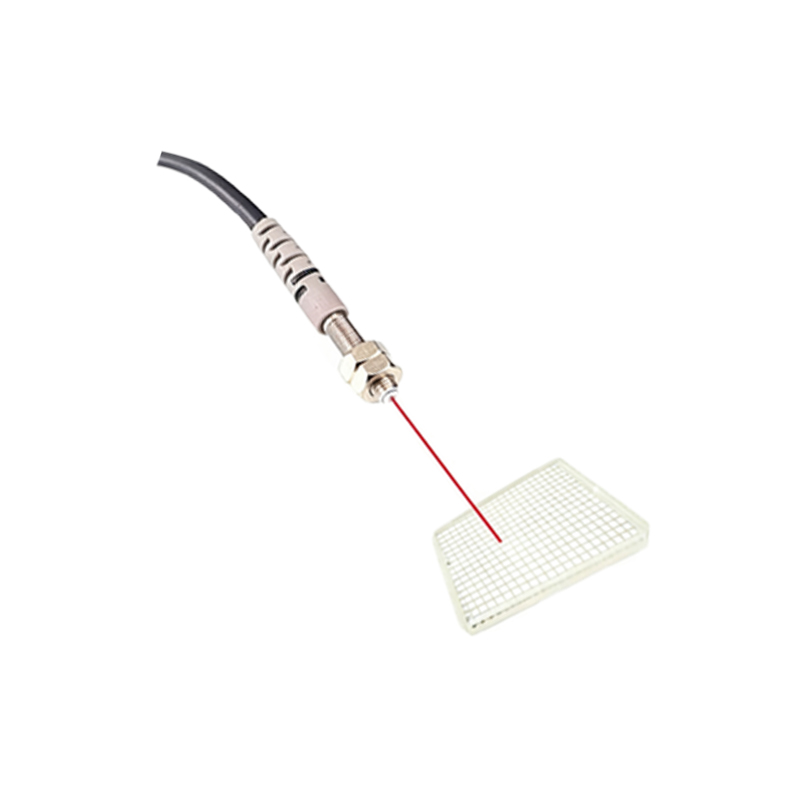
The interaction between light and liquid depends on the liquid's refractive index and transparency. For transparent liquids, the light may pass through with minimal attenuation, but the change in refractive index at the liquid-air interface can redirect the beam away from the detector. For opaque or turbid liquids, absorption dominates, causing a rapid drop in received light intensity. Advanced sensor models use modulated light frequencies to filter out ambient light interference, improving accuracy. The slotted geometry also helps in self-cleaning, as flowing liquid can wash away debris, reducing maintenance.
Electrical Output and Signal Conditioning
The photodetector in a slotted sensor converts received light into an electrical current, which is then amplified and compared to a threshold level. When the light beam is blocked by liquid, the signal falls below the threshold, causing the output transistor to switch states. Common output types include NPN (sinking), PNP (sourcing), or analog voltage/current signals for proportional detection. Designers often incorporate hysteresis to prevent oscillation near the detection point. This circuitry is housed in a rugged enclosure with IP67 or higher ratings to withstand moisture and dust.
Application Considerations and Limitations
Slotted liquid level sensors excel in applications requiring point-level detection, such as overflow prevention or low-level alarms. However, they are less suitable for viscous fluids that may coat the slot and scatter light gradually. Installation angle and liquid properties must be calibrated to avoid false triggers. Temperature extremes and condensation can also affect performance, so sensors with temperature compensation are recommended for outdoor use. Despite these limitations, their simple design and low cost make them a popular choice in many industries.
Conclusion and Future Trends
The slotted liquid level photoelectric sensor remains a reliable solution for non-contact liquid detection. As industrial automation advances, new materials and digital signal processing are enhancing sensitivity and self-diagnostics. Integration with IoT platforms allows remote monitoring and predictive maintenance. Understanding the fundamental principle of light beam interruption helps engineers select and optimize these sensors for specific process requirements, ensuring efficient and safe operations.