Introduction to Photoelectric Sensor Housing Materials
As an electrical engineer specializing in industrial automation, I often evaluate the critical role of housing materials in photoelectric sensors. These materials directly impact sensor durability, performance, and suitability for harsh environments. Common options include ABS plastic, polycarbonate, stainless steel, and aluminum alloys. Each material offers distinct advantages in terms of chemical resistance, temperature tolerance, and mechanical strength. Selecting the right manufacturer is essential to ensure consistent quality and long-term reliability.
Why Material Selection Matters for Sensor Performance
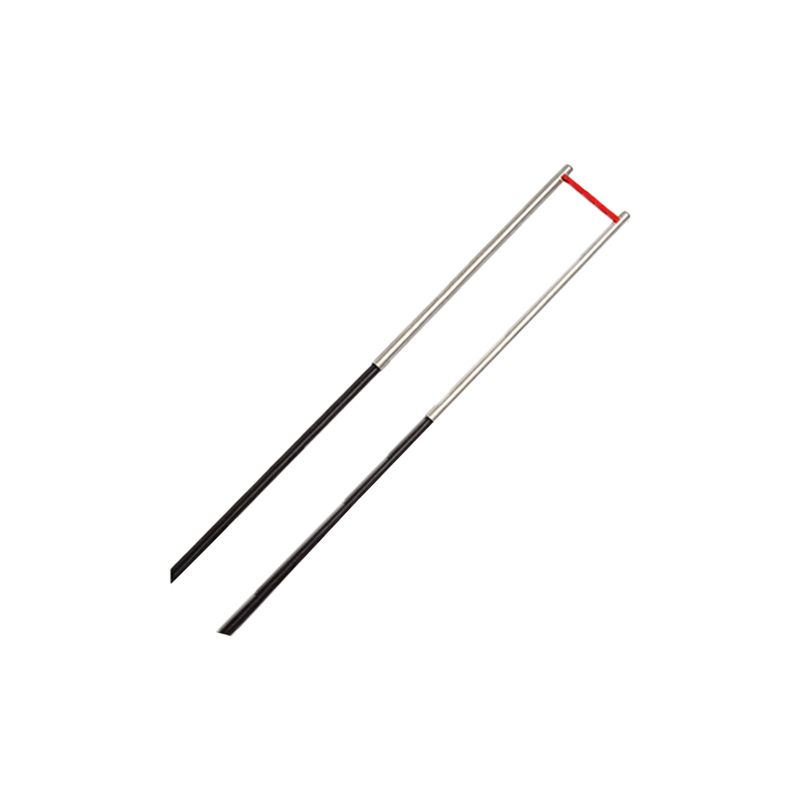
The housing material protects internal components from dust, moisture, vibration, and thermal stress. For example, in food processing or chemical plants, stainless steel housings resist corrosion and are easy to sanitize. In outdoor applications, UV-stabilized polycarbonate prevents degradation from sunlight. ABS plastic is cost-effective for indoor use but may not withstand extreme temperatures. Engineers must balance application requirements with material properties to avoid premature sensor failure.
Key Criteria for Choosing a Housing Material Manufacturer
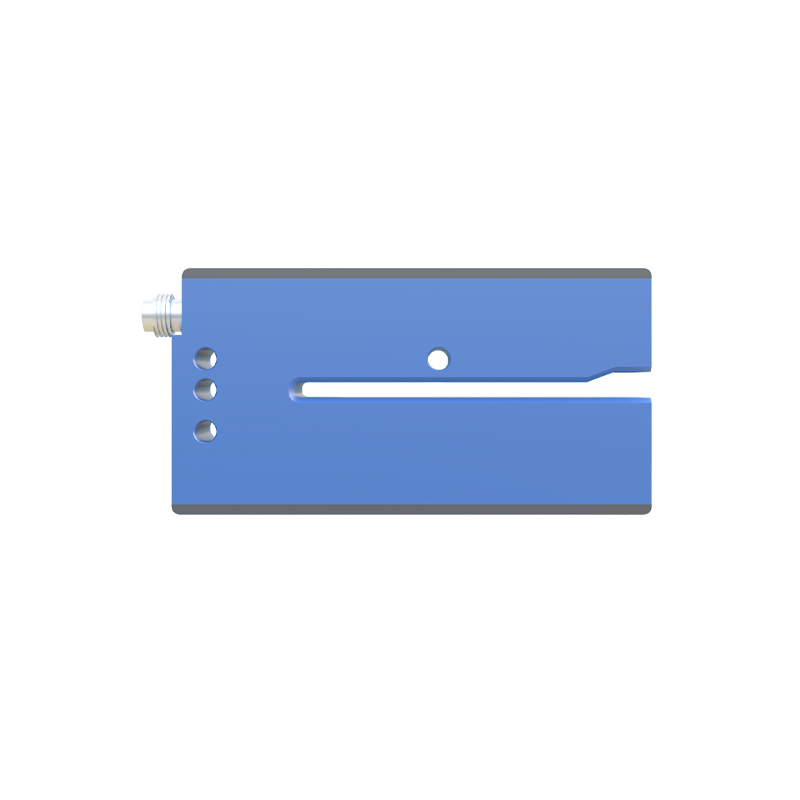
When evaluating suppliers, consider three primary factors: material certification, precision molding capabilities, and quality control processes. Reputable manufacturers should provide ISO 9001 certification and material datasheets. Look for expertise in injection molding for plastics or CNC machining for metals. Verify that they can produce housings with tight tolerances to prevent light leakage or ingress. Also, assess their ability to customize threads, mounting holes, or connector ports per your design.
Top Global Manufacturers of Photoelectric Sensor Housings
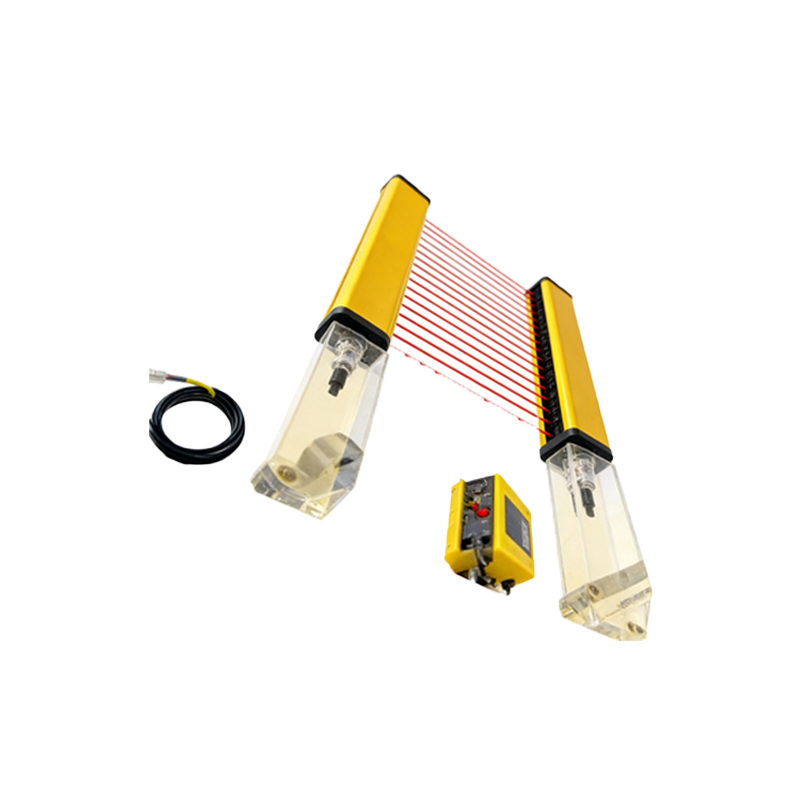
Several companies specialize in sensor enclosures. For plastic housings, companies like ROHM and TE Connectivity offer high-volume production with UL-rated materials. For metal housings, consider Leoni or Fischer Connectors, which provide robust stainless steel solutions. Smaller niche manufacturers like PCE Instruments focus on corrosion-resistant alloys for extreme environments. Always request samples and conduct environmental testing before mass production.
Material Innovations and Future Trends
Recent advances include glass-filled nylon for higher strength and lightweight magnesium alloys for portable sensors. Manufacturers are also integrating anti-static additives for explosive atmospheres. Sustainability is another trend, with some suppliers offering recycled polycarbonate or biodegradable bioplastics for non-critical applications. Engineers should stay updated on new materials from suppliers like BASF or Covestro, which regularly release enhanced performance grades.
Practical Tips for Working with Housing Manufacturers
To optimize collaboration, provide detailed 3D CAD files and specify required IP ratings (e.g., IP67 or IP69K). Discuss lead times and minimum order quantities early. Request failure mode analysis for critical applications. If possible, visit the factory to audit their cleanroom conditions for optical component assembly. Finally, negotiate a warranty period that covers defects in material or workmanship for at least two years.
Conclusion: Ensuring Long-Term Sensor Reliability
Choosing the right photoelectric sensor housing material manufacturer is a strategic decision that affects product lifespan and system uptime. Prioritize suppliers that offer material traceability, fast prototyping, and responsive technical support. By aligning your engineering requirements with manufacturer capabilities, you can achieve reliable sensor performance even in the most demanding industrial environments.