Introduction to Photoelectric Sensors
Photoelectric sensors are critical components in modern industrial automation, converting light signals into electrical outputs to detect objects, measure distances, or identify materials. These sensors have evolved from simple through-beam designs to sophisticated smart devices, integrating advanced technologies like IoT and AI. Their reliability and precision make them indispensable in manufacturing, logistics, and process control, where they enhance efficiency and reduce downtime.
Current State of Photoelectric Sensor Technology
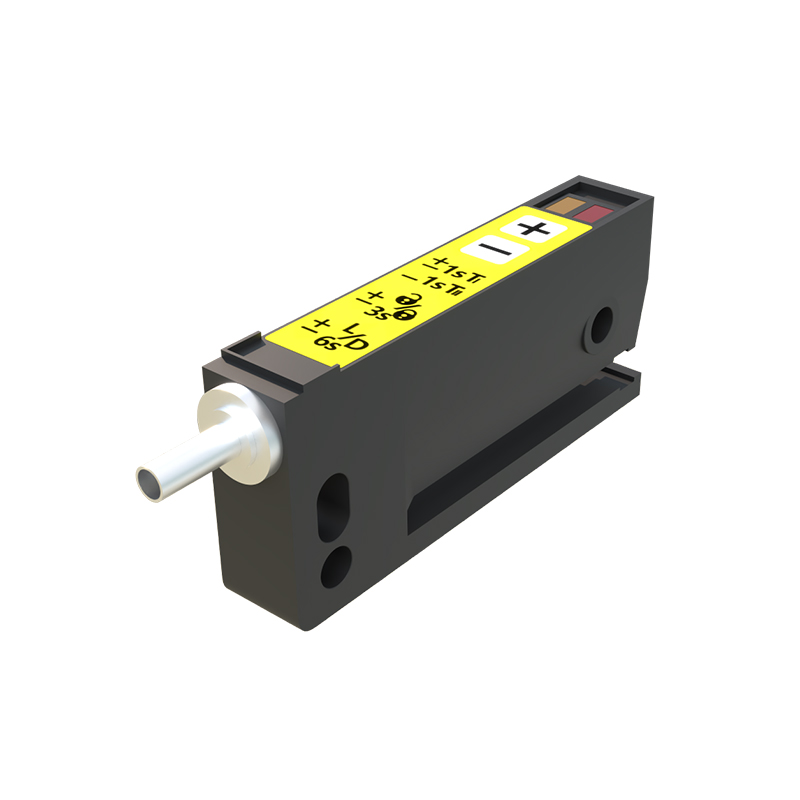
Today, photoelectric sensors dominate the market with three primary types: through-beam, retro-reflective, and diffuse reflective. Through-beam sensors offer the longest range and highest accuracy, ideal for harsh environments. Retro-reflective models use reflectors for flexible installation, while diffuse sensors rely on reflected light from the target itself. Key advancements include miniaturization, enhanced immunity to ambient light, and support for multiple protocols like IO-Link. Leading manufacturers focus on ruggedized housings with IP67 or higher ratings to withstand dust, moisture, and vibration. However, challenges remain, such as sensitivity to transparent objects and color-dependent detection, driving ongoing R&D for better algorithms and optics.
Driving Factors Behind Growth and Innovation
The demand for photoelectric sensors is fueled by Industry 4.0 and smart factory initiatives. Automation in automotive, food and beverage, and packaging industries requires faster, more reliable sensing. Environmental concerns push energy-efficient designs, while customization demands lead to modular sensors with adjustable sensing ranges. The integration of machine learning enables adaptive detection, reducing false triggers. Cost reduction through mass production and semiconductor advances also accelerates adoption. Additionally, wireless technology and battery-powered sensors open new applications in mobile robotics and remote monitoring.
Emerging Trends and Technological Breakthroughs
Several trends reshape the photoelectric sensor landscape. First, the shift to photonic-based systems using laser or LED sources improves resolution and speed. Second, multifunctional sensors combine position, color, and distance sensing in one unit, simplifying system design. Third, connectivity via IO-Link or Ethernet allows real-time data exchange and predictive maintenance. Fourth, miniaturized sensors with MEMS technology enable installation in tight spaces. Finally, optical fiber extensions and smart algorithms overcome traditional limitations, such as detecting glossy or irregular surfaces. These innovations promise higher uptime and lower total cost of ownership.
Challenges and Limitations in Current Applications
Despite progress, photoelectric sensors face hurdles. Sensitivity to ambient light, especially in outdoor or high-glare settings, still requires careful filtering. Detection of very small or fast-moving objects demands higher response rates, straining current hardware. Material properties, like transparency or reflectivity, can cause false readings. Environmental factors like fog, dust, or condensation reduce performance. Moreover, the lack of standardization across manufacturers complicates system integration. Engineers must often compromise between range, accuracy, and cost, especially in retrofit projects.
Future Directions and Predictions
Looking ahead, photoelectric sensors will become more intelligent and autonomous. Quantum dot and silicon photomultiplier technologies could dramatically improve sensitivity. Edge computing will enable on-sensor data processing, reducing latency. Self-calibrating sensors with built-in diagnostics will minimize manual intervention. The rise of collaborative robots (cobots) demands safety-rated photoelectric sensors with fast response times. Energy harvesting from light or vibration will support battery-free operation. By 2030, we may see fully integrated sensor ecosystems that communicate via 5G, enabling predictive analytics across entire plants. The convergence of optics, electronics, and software will redefine industrial sensing.
Conclusion
Photoelectric sensors have come a long way from basic light switches to advanced digital devices. Their evolution mirrors the broader automation journey toward smarter, more efficient systems. While challenges persist, ongoing innovations in materials, connectivity, and AI ensure their relevance for decades. Engineers should stay updated with these trends to leverage the full potential of photoelectric sensors in future projects.