Understanding Photoelectric Sensor Heads
Photoelectric sensor heads are critical components in modern industrial automation systems, converting light signals into electrical outputs for object detection, distance measurement, and position sensing. These devices utilize a light emitter and a receiver, often housed in a compact, rugged casing to withstand harsh factory environments. The detection head's design determines its performance in terms of range, accuracy, and resistance to ambient light or dust. Common types include through-beam, retro-reflective, and diffuse reflective sensors, each with distinct applications. For instance, through-beam heads offer the longest detection range and highest reliability in clean conditions, while diffuse heads are more flexible for varied targets.
Key Performance Factors in Detection Head Selection
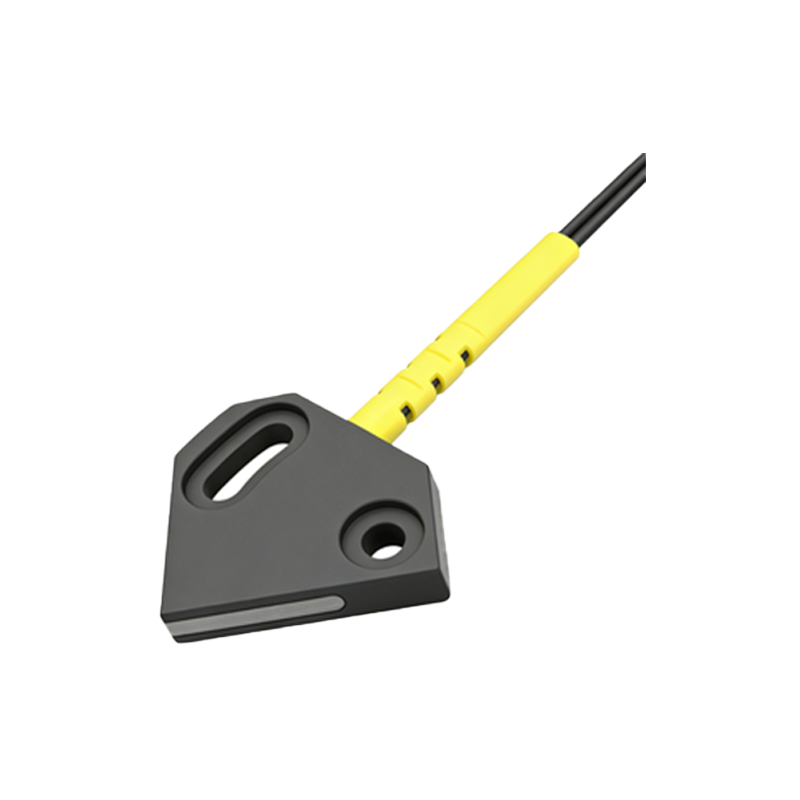
When selecting a photoelectric sensor head, engineers must consider several technical parameters. The sensing distance, typically ranging from a few centimeters to tens of meters, dictates the operational layout. Response time, often in the microsecond range, is crucial for high-speed production lines. Additionally, the light source—infrared, red, or laser—affects target compatibility and precision. Laser-based heads provide pinpoint accuracy for small objects but require strict alignment. Environmental factors such as temperature, humidity, and vibration also influence head durability. IP67 or IP69K ratings are recommended for washdown or dusty environments to ensure long-term reliability.
Installation and Alignment Best Practices
Proper installation of photoelectric sensor heads is vital for optimal performance. For through-beam systems, ensure the emitter and receiver are perfectly aligned; even a slight misalignment can reduce detection consistency. Use mounting brackets with fine adjustment screws to facilitate precise positioning. In retro-reflective setups, avoid reflective surfaces near the sensor path to prevent false triggers. Diffuse sensors require careful consideration of target color and reflectivity—dark or matte surfaces may reduce effective range. Always test the sensor's hysteresis and background suppression capabilities during commissioning to avoid detection gaps.
Common Application Scenarios
Photoelectric sensor heads are widely deployed in material handling, packaging, and automotive assembly lines. In conveyor systems, they detect product presence for sorting or counting. For example, a through-beam head can reliably detect transparent glass bottles, while a diffuse head with background suppression excels at identifying boxes on a moving belt. In robotics, laser-based heads enable precise end-effector positioning for pick-and-place operations. Additionally, these sensors are used in safety systems to monitor access zones, where a redundant dual-head configuration enhances fail-safe protection.
Maintenance and Troubleshooting Tips
Regular maintenance extends the lifespan of photoelectric sensor heads. Clean the lens and optical surfaces with a soft, lint-free cloth to remove oil or dust accumulation. Check electrical connections for corrosion or loose terminals, especially in wet environments. If false triggers occur, adjust the sensitivity potentiometer or use a teach-in function to recalibrate. For intermittent failures, verify the ambient light level—external strobes or high-frequency lighting can interfere with the sensor's modulation. Keep spare heads in stock for critical lines to minimize downtime during replacements.
Future Trends in Photoelectric Sensing Technology
The industry is moving toward smart photoelectric sensor heads with IO-Link communication, enabling real-time data exchange and remote configuration. These advanced heads offer diagnostics, such as signal strength monitoring and contamination warnings, reducing manual inspection. Additionally, miniaturization and integration with machine vision systems are emerging, allowing heads to perform multiple detection tasks simultaneously. As factories adopt Industry 4.0 standards, photoelectric sensor heads will continue to evolve, providing higher precision, faster response, and greater adaptability to complex automation environments.