Market Overview of Photoelectric Sensors in Haining
As an electrical engineer specializing in industrial automation, I have observed the rapid growth of Haining as a manufacturing hub for photoelectric sensors. The city’s strategic location in the Yangtze River Delta and its robust supply chain infrastructure have made it a key player in the sensor market. Prices for photoelectric sensors in Haining vary significantly based on factors such as sensing range, output type (PNP/NPN), housing material, and environmental ratings. For instance, basic through-beam sensors with a range of 10 meters might cost between $15 and $30 per unit, while advanced diffuse reflective sensors with background suppression can range from $25 to $60. Engineers must consider these price ranges when sourcing components for system design.
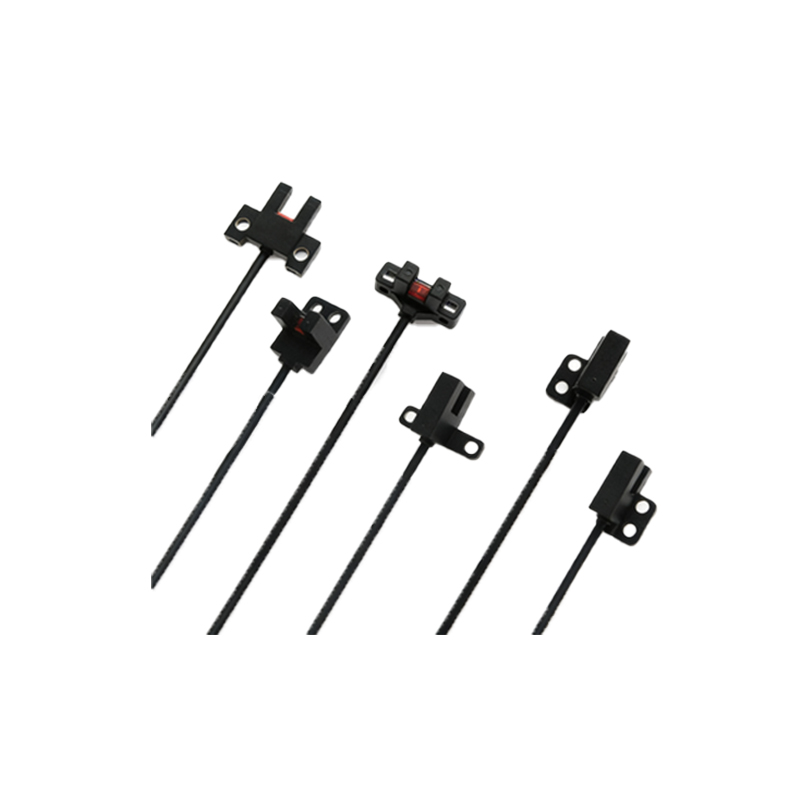
Key Factors Influencing Sensor Pricing
Several technical parameters directly impact the cost of photoelectric sensors in Haining. First, the sensing technology: through-beam sensors are generally cheaper than retro-reflective or diffuse types due to simpler optics. Second, the IP rating: sensors with IP67 or higher protection, suitable for harsh environments, often add 20-30% to the base price. Third, output type: PNP sensors, common in PLC-based systems, may cost slightly more than NPN variants due to market demand. Additionally, brand reputation plays a role; while local brands like Haining Senba offer competitive pricing at $12-$20, international brands such as Omron or Keyence can price similar models at $40-$70 due to reliability and calibration standards.
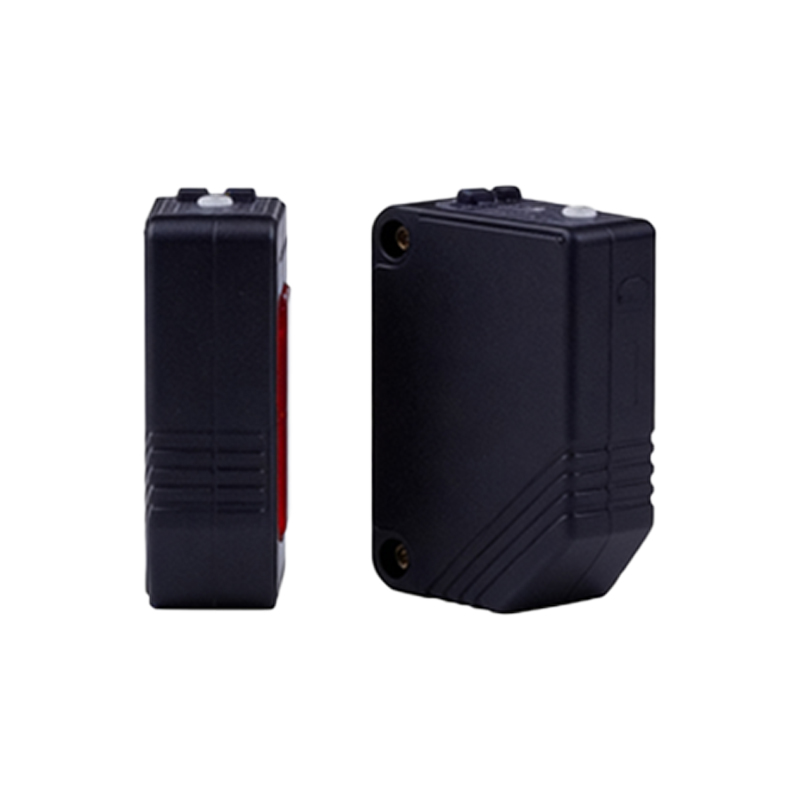
Pricing Trends and Bulk Purchase Discounts
From my engineering procurement experience, Haining sensor prices have shown slight downward trends over the past two years, driven by increased local production capacity and component cost reductions. For small orders (1-10 units), unit prices are typically higher, averaging $18-$35. However, bulk purchases of 100 units or more can achieve discounts of 15-25%, bringing prices to $12-$28 per sensor. For large-scale automation projects, I recommend negotiating with suppliers directly in Haining’s industrial zones, such as the Haining Economic Development Zone, to secure volume pricing and custom specifications.
Quality vs. Cost: Engineering Considerations
While low-cost sensors from Haining can be attractive for budget-constrained projects, engineers must evaluate quality aspects like response time (typically 1-5 ms), repeat accuracy (within 0.1 mm for precision tasks), and long-term stability. I have seen cases where cheap sensors caused false triggers in high-speed packaging lines, leading to downtime costs exceeding the initial savings. For critical applications, investing in Haining’s mid-range sensors ($25-$40) with metal housings and advanced filtering circuits is advisable. Always request datasheets and test samples before committing to large orders.
Sourcing Recommendations for Engineers
To optimize cost and performance, I suggest engineers use a tiered approach: for non-critical applications like object detection in clean environments, Haining’s economy sensors ($10-$20) suffice. For sensor arrays in dusty or wet factories, choose models with M12 connectors and IP67 ratings ($30-$50). Reliable Haining suppliers include Haining Huayang Electronics and Haining Jiechuang Sensor Technology, which offer competitive pricing and technical support. Always verify certifications like CE or RoHS to ensure compliance with international standards. By balancing price with technical specifications, engineers can achieve cost-effective automation solutions.