How to Improve Photoelectric Sensor Performance and Troubleshoot Common Issues... (as above)
Understanding Photoelectric Sensor Basics
Photoelectric sensors are essential in industrial automation, detecting objects using light beams. They consist of an emitter and receiver, operating in through-beam, retro-reflective, or diffuse modes. Common issues include false triggering, reduced range, and environmental interference. To improve performance, start by verifying the sensor type matches the application. For example, through-beam sensors offer long range but require alignment, while diffuse sensors are ideal for close-range detection. Ensure power supply stability, as voltage fluctuations can cause erratic behavior. Regular calibration and cleanliness of optical surfaces are foundational steps.
Optimize Sensor Placement and Alignment
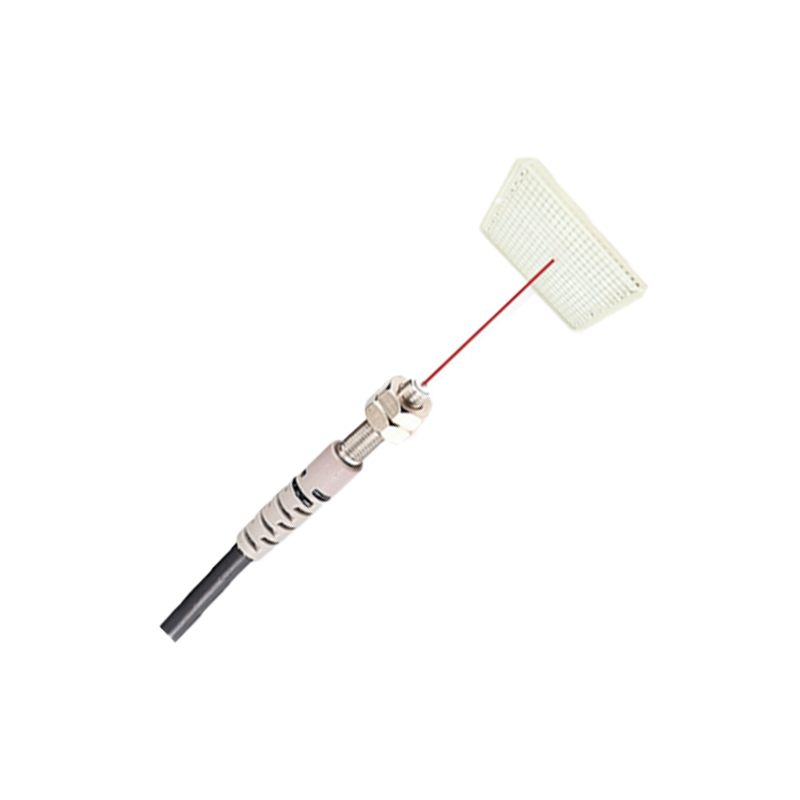
Misalignment is a frequent cause of photoelectric sensor failures. For through-beam sensors, align the emitter and receiver precisely, using laser alignment tools if possible. For retro-reflective sensors, ensure the reflector is clean and positioned within the specified angle. Avoid direct sunlight or bright artificial light near the sensor, as it can overwhelm the receiver. In diffuse mode, adjust the sensitivity to ignore background objects. Use mounting brackets with vibration dampeners to maintain alignment in high-vibration environments. Periodically check for mechanical shifts due to thermal expansion or physical impacts.

Mitigate Environmental Interference
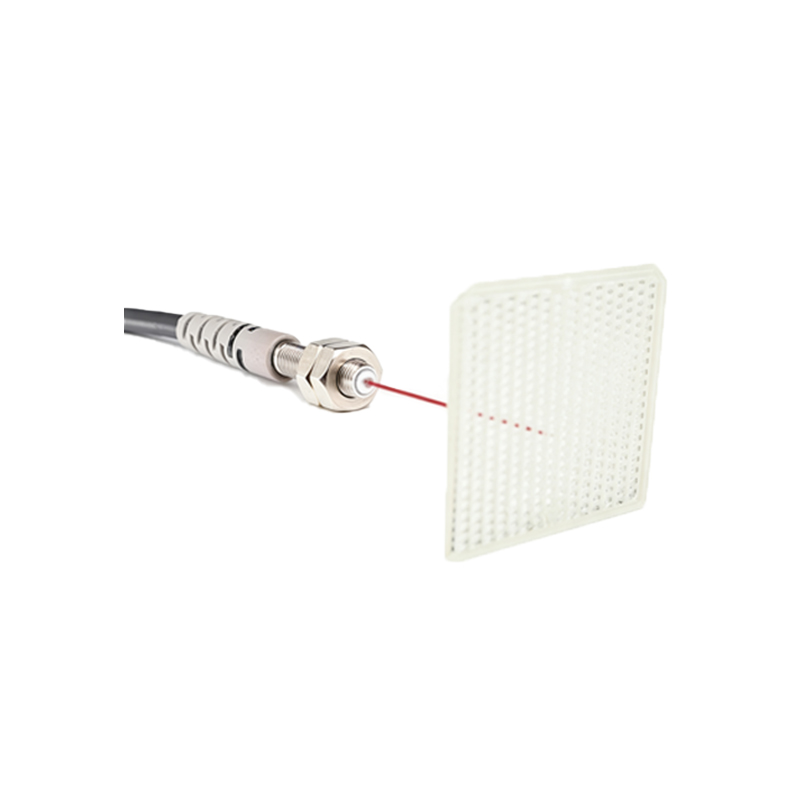
Dust, moisture, and fog can scatter or absorb light beams, reducing sensor reliability. Install protective housings or air purge systems to keep lenses clean. For outdoor or harsh industrial settings, select sensors with IP67 or higher ratings. Use modulated light or infrared models to minimize ambient light interference. In areas with steam or airborne particles, consider fiber optic sensors with remote heads. Regularly inspect seals and cables for damage, as ingress can cause internal corrosion. Implementing a scheduled cleaning protocol ensures consistent performance.
Adjust Sensitivity and Timing Settings
Improper sensitivity settings lead to false positives or missed detections. Use the sensor’s teach-in function to calibrate for specific target materials and colors. For transparent or reflective objects, reduce sensitivity to avoid double-triggering. Adjust response time based on conveyor speed; slower responses for high-speed lines cause missed objects. Enable hysteresis to prevent oscillation near detection thresholds. Many modern sensors offer automatic background suppression, which is effective for uneven surfaces. Document settings for each application to streamline future adjustments.
Implement Redundancy and Diagnostics
Critical processes benefit from redundant sensor systems. Pair photoelectric sensors with complementary technologies, like inductive or capacitive sensors, to verify detection. Use sensors with built-in diagnostic LEDs or IO-Link communication for real-time status monitoring. IO-Link provides data on signal strength, temperature, and error logs, enabling predictive maintenance. Set up alarms for weak signals or contamination alerts. When replacing sensors, match electrical specifications exactly to avoid compatibility issues. Train maintenance staff to read diagnostic codes and perform quick swaps.
Upgrade to Advanced Sensor Technologies
If persistent issues occur, consider upgrading to advanced models. Laser-based photoelectric sensors offer higher precision for small targets. Smart sensors with integrated controllers can filter noise and adapt to changing conditions. For extreme temperatures, use specialized sensors rated for -40°C to 120°C. Wireless sensors reduce cabling issues in rotating machinery. Evaluate cost-benefit ratios, as advanced sensors often reduce downtime. Partner with suppliers for application-specific recommendations, and test prototypes before full deployment.