Introduction to Photoelectric Sensors in North Korean Industry
Photoelectric sensors, as non-contact detection devices, have become essential in modern automation systems. In North Korea's evolving industrial landscape, these sensors are gradually being integrated into manufacturing lines, particularly in sectors like metallurgy, mining, and light industry. Despite limited access to advanced technology, North Korean engineers have adapted basic photoelectric sensor principles to improve production efficiency and safety.
Key Technologies and Adaptation Challenges
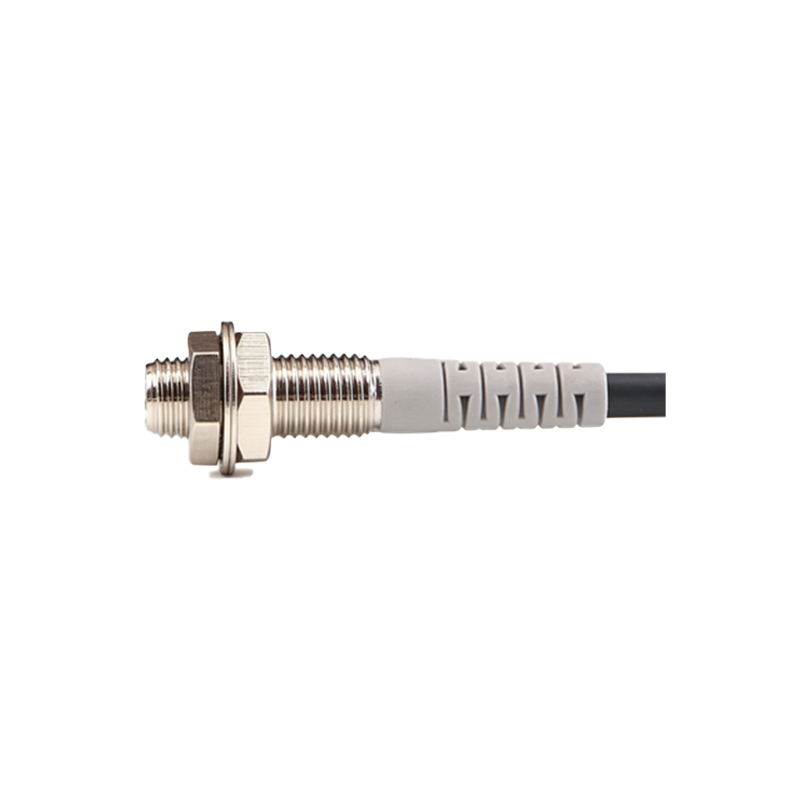
North Korean industries primarily rely on through-beam and retro-reflective photoelectric sensors due to their simplicity and reliability. These sensors, often sourced from China or refurbished from older equipment, operate with infrared or visible red light. A significant challenge is the lack of precision optics and stable power supplies, which can cause false triggers or reduced sensing range. Engineers often compensate by using higher-gain amplifiers and shielding against electromagnetic interference from nearby heavy machinery.
Applications in Heavy Industry and Mining
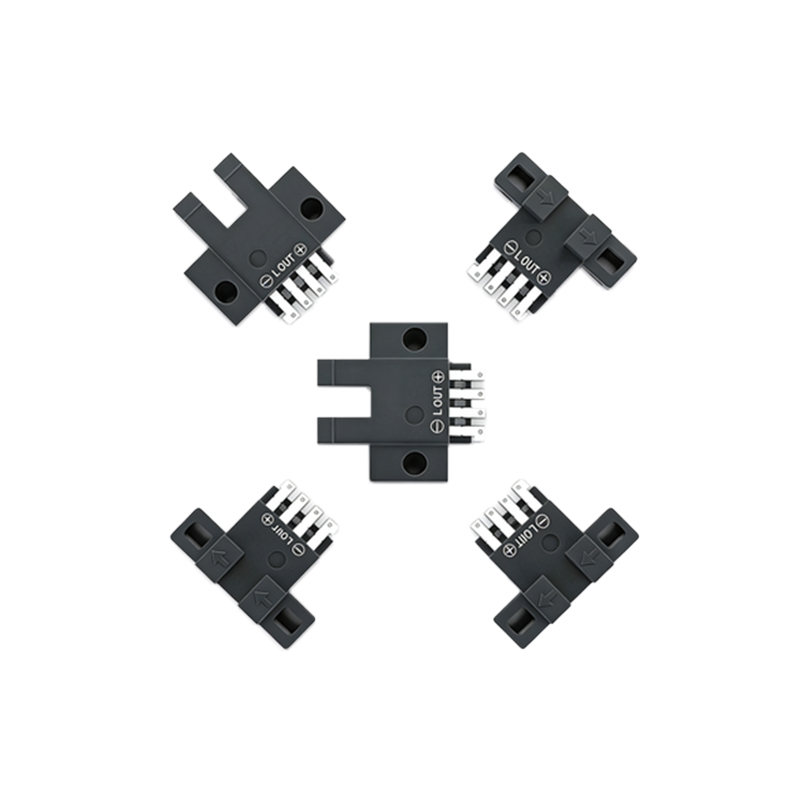
In North Korean steel plants, photoelectric sensors are used for object detection on conveyor belts, ensuring continuous material flow. For example, in the Kim Chaek Iron and Steel Complex, sensors monitor the position of hot billets to prevent jams. In coal mines, retro-reflective sensors detect the presence of mining carts, enabling automated loading systems. These applications reduce human exposure to hazardous environments and improve throughput.
Integration in Light Manufacturing and Quality Control
In textile and food processing factories, photoelectric sensors inspect product alignment and count items. A notable case is in a Pyongyang textile mill, where through-beam sensors detect thread breaks in real time, reducing downtime. For packaging, diffuse reflective sensors check the presence of labels on boxes. However, due to dust and vibration, sensor housings often require custom sealing and damping mounts.
Future Prospects and Technical Limitations
North Korea's photoelectric sensor adoption faces constraints, including limited access to fiber optic variants and high-speed models. Local engineers are exploring DIY approaches, such as using phototransistors and LED arrays to create simple sensors for educational or low-tech applications. With potential technology transfers from allied nations, the country may gradually upgrade to more reliable smart sensors with IO-Link capabilities, enhancing data collection for Industry 4.0-like initiatives.
Conclusion: A Path toward Automation
Despite resource limitations, photoelectric sensors play a vital role in North Korea's gradual automation. The ability to adapt these devices to local conditions demonstrates the ingenuity of its engineering workforce. Future developments will depend on international partnerships and domestic innovation in optoelectronics and power management.