Introduction to PEOTUS Photoelectric Sensors
In modern industrial automation, sensors play a critical role in ensuring precise detection, positioning, and object recognition. PEOTUS photoelectric sensors are designed to meet the demanding requirements of manufacturing environments, offering high reliability, fast response times, and resistance to harsh conditions. These sensors use light-emitting diodes (LEDs) and photodetectors to detect the presence, absence, or distance of objects without physical contact, making them ideal for applications where space, speed, or contamination is a concern.
Key Technical Features of PEOTUS Sensors
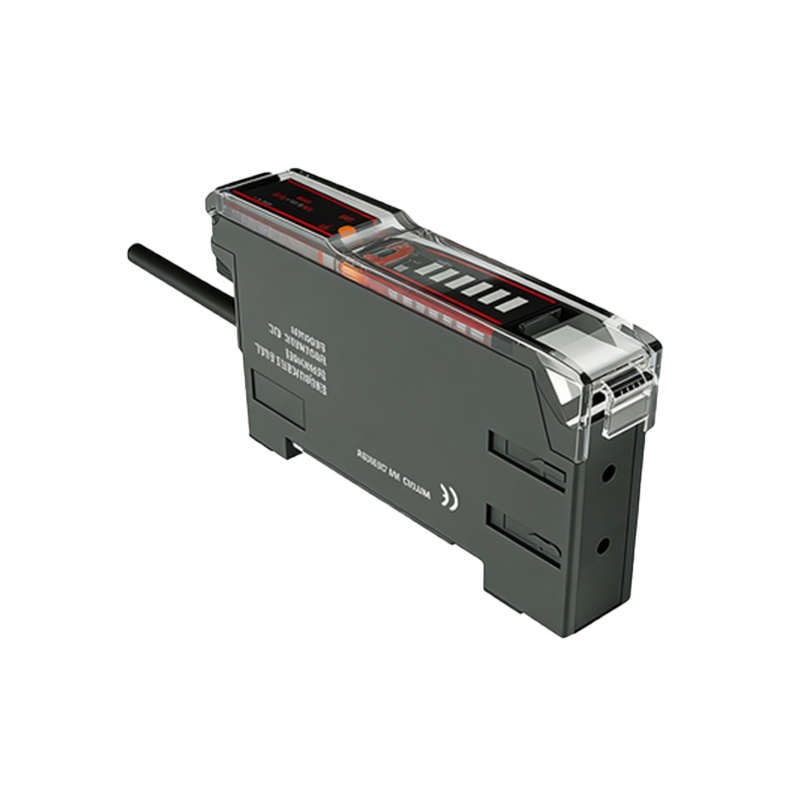
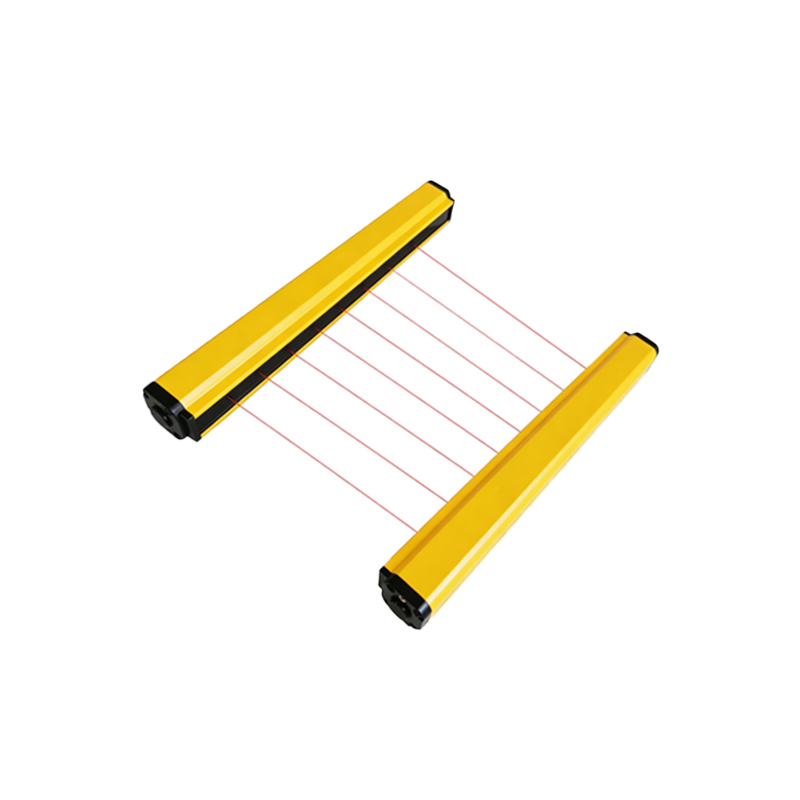
PEOTUS photoelectric sensors incorporate advanced optical technology, including through-beam, retro-reflective, and diffuse sensing modes. Through-beam sensors provide the longest detection range and are highly immune to ambient light interference, suitable for transparent or shiny objects. Retro-reflective sensors offer a balance of range and ease of installation, using a reflector to detect objects. Diffuse sensors are compact and ideal for short-range applications, detecting objects directly by reflected light. Additionally, PEOTUS sensors feature IP67 or higher protection ratings, ensuring operation in dusty, wet, or vibrating environments. The built-in signal processing algorithms reduce false triggering and enhance stability.
Applications in Manufacturing and Logistics
PEOTUS sensors are widely used in assembly lines, packaging machinery, and material handling systems. For example, in a bottling plant, a PEOTUS through-beam sensor can accurately detect glass bottles passing on a conveyor, triggering filling or capping operations. In warehouse automation, retro-reflective sensors monitor pallet positions on racks, enabling efficient inventory management. The sensors also excel in high-speed sorting applications, where sub-millisecond response time prevents jams and improves throughput. Their compact design allows integration into tight spaces, such as robotic grippers or inspection stations.
Advantages Over Competing Technologies
Compared to inductive or capacitive sensors, PEOTUS photoelectric sensors offer non-contact detection for virtually any material, including metal, plastic, paper, and glass. They are less affected by target color or surface texture, providing consistent performance. The sensors also have a longer sensing range, up to several meters for through-beam models, which reduces the need for multiple units. Additionally, the use of visible red or infrared light simplifies alignment during installation. PEOTUS sensors are engineered to operate in temperatures ranging from -25°C to +60°C, with some models supporting higher ranges.
Installation and Maintenance Best Practices
Proper installation is key to maximizing sensor performance. For through-beam sensors, ensure the emitter and receiver are aligned within 1-2 degrees. Use shielded cables to minimize electromagnetic interference. Regular cleaning of lenses with a lint-free cloth prevents dust buildup, which can cause false signals. PEOTUS sensors typically have a long operational life of over 100,000 hours, but periodic calibration checks are recommended. For retro-reflective models, verify that the reflector surface is clean and non-damaged. In harsh environments, consider using air-purge units to keep optics clear.
Future Trends and Integration with Industry 4.0
As factories move toward smart manufacturing, PEOTUS sensors are being integrated with IoT platforms and PLCs via standard interfaces like IO-Link. This enables real-time data transmission, remote diagnostics, and predictive maintenance. Future developments may include enhanced sensitivity for micro-object detection and improved energy efficiency. The sensors will also support digital twin simulations, helping engineers optimize production line layouts. With their robust design and adaptability, PEOTUS photoelectric sensors will remain a cornerstone in automation systems for years to come.