Introduction to Hollow Plastic Photoelectric Sensors
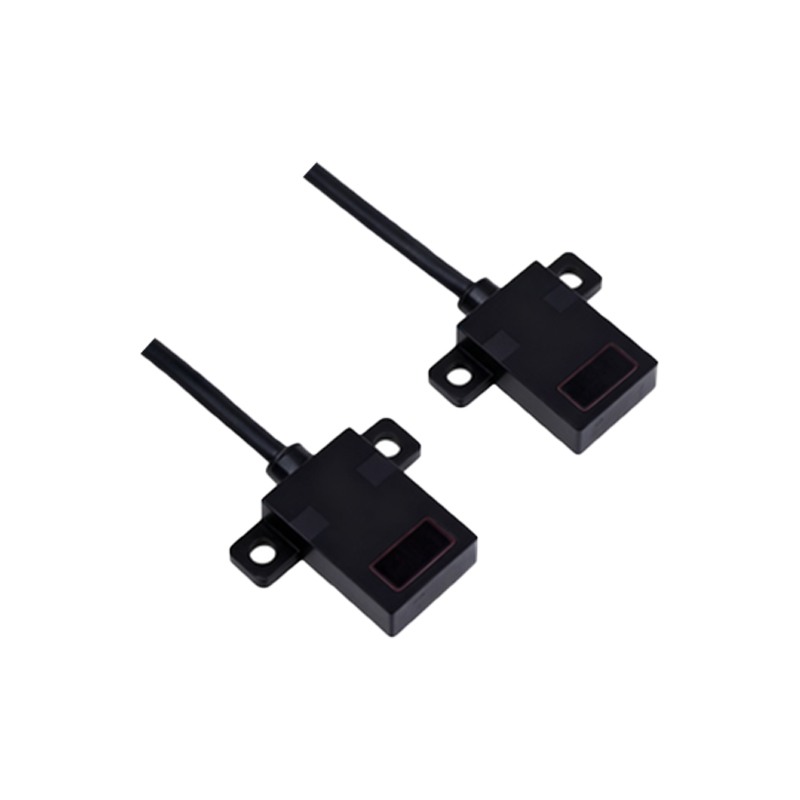
In modern industrial automation, the demand for compact, reliable, and cost-effective sensing solutions continues to grow. The hollow plastic photoelectric sensor, also known as a slot or fork sensor, has emerged as a versatile tool for object detection, counting, and positioning. Unlike traditional through-beam sensors, these devices integrate an emitter and receiver within a single plastic housing, featuring a U-shaped gap or hollow aperture. This design simplifies installation by eliminating the need for precise alignment between separate components, making it an ideal choice for space-constrained environments. The plastic construction offers lightweight durability, corrosion resistance, and electrical insulation, ensuring stable performance in harsh manufacturing settings. Typical applications include packaging lines, conveyor systems, and robotic assembly, where fast and accurate detection of small or transparent objects is critical.
Key Technical Specifications and Performance Metrics
Hollow plastic photoelectric sensors are defined by their operational parameters, which directly influence their suitability for specific tasks. The sensing gap, typically ranging from 5mm to 50mm, determines the maximum object size that can be detected. Response time, often below 1ms, supports high-speed production lines. Many models offer adjustable sensitivity via a potentiometer or digital interface, enabling fine-tuning for reflective or transparent materials. The light source, usually infrared (IR) or visible red LED, affects tolerance to ambient light interference. IP67-rated enclosures protect against dust and water ingress, while operating temperatures from -25°C to +70°C ensure reliability in diverse facilities. Engineers must consider these factors to match the sensor's capabilities with the target application, balancing detection range, speed, and environmental robustness.
Installation Best Practices for Optimal Performance
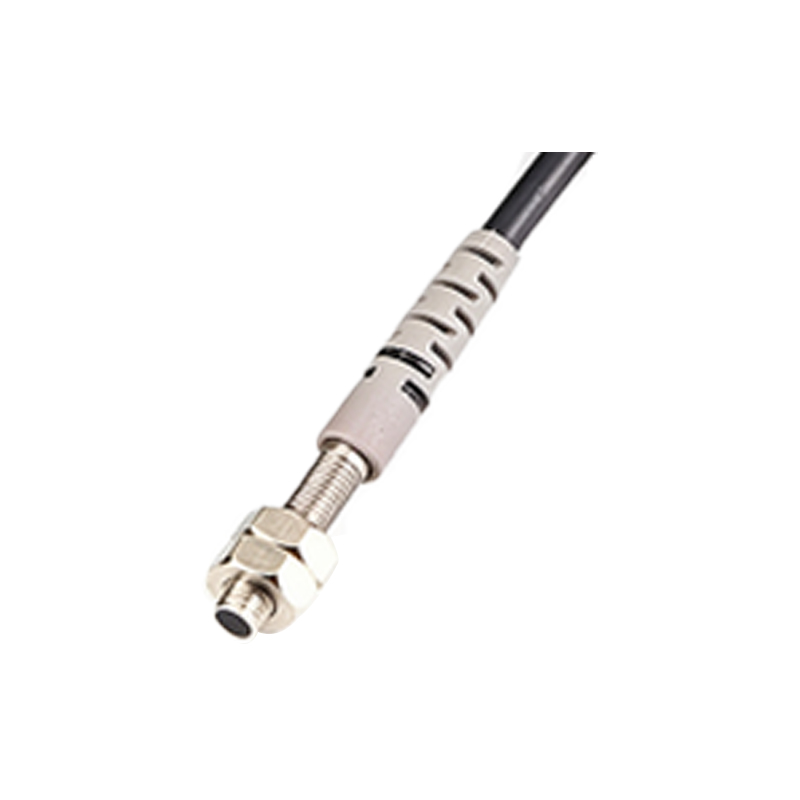
Proper installation is crucial to leverage the full potential of hollow plastic photoelectric sensors. First, mount the sensor securely using the provided brackets or slots, ensuring the object path aligns centrally within the gap to minimize false triggers. Avoid mounting near strong magnetic fields or vibration sources, which can degrade signal stability. For detecting transparent or glossy objects, select a sensor with polarized light or specific wavelength tuning to reduce reflection errors. Electrical wiring should follow standard color codes—brown for Vcc, blue for ground, and black for output—while maintaining shielding to prevent noise coupling. After installation, perform a functional test with sample objects to verify detection consistency, adjusting sensitivity if needed. Regular cleaning of the plastic lens with a soft cloth prevents dust accumulation that could reduce transmission efficiency.
Advantages Over Traditional Sensor Designs
Compared to conventional photoelectric sensors, hollow plastic variants offer distinct benefits in industrial contexts. Their integrated design eliminates the need for separate emitter and receiver units, reducing mounting complexity and material costs. The plastic housing is lighter than metal alternatives, simplifying handling during installation and lowering structural load on support systems. Additionally, the hollow gap inherently provides a defined sensing window, minimizing false detections from background objects. This is particularly advantageous in high-density machinery where space is at a premium. Maintenance is also streamlined, as the single-unit construction reduces failure points, and the non-metallic material resists chemical splashes common in food processing or pharmaceutical lines. These attributes make hollow plastic sensors a cost-effective upgrade for retrofitting legacy systems.
Common Challenges and Troubleshooting Strategies
Despite their robustness, hollow plastic photoelectric sensors face occasional operational issues. A frequent problem is intermittent detection caused by object wobble or misalignment within the gap; using a sensor with a wider detection zone or adding mechanical guides can mitigate this. Ambient light interference, especially from overhead LED fixtures, may trigger false outputs—selecting an IR-based model or adding a light barrier shield often resolves this. If the sensor fails to detect transparent materials, adjusting the sensitivity setting or switching to a convergent beam type improves performance. For electrical noise issues, verify that the power supply is stable and the output cable is properly grounded. In case of physical damage to the plastic housing, replace the unit promptly to maintain safety and accuracy. Regular preventive maintenance, including lens cleaning and connection checks, extends sensor lifespan.
Future Trends in Hollow Photoelectric Sensor Technology
The evolution of hollow plastic photoelectric sensors aligns with Industry 4.0 and smart manufacturing demands. Emerging models integrate IO-Link communication, allowing real-time parameter adjustment and diagnostic data retrieval via a centralized control system. Miniaturization trends enable sensors with sub-10mm gaps for micro-object detection in electronics assembly. Advanced optics, such as multi-wavelength LEDs, enhance detection of mixed material types on the same line. Additionally, self-calibrating algorithms reduce manual setup time, adapting to environmental changes automatically. As plastic composites improve, future sensors will offer even higher temperature tolerances and mechanical strength. These innovations position hollow photoelectric sensors as a foundational component in automated factories, driving efficiency and flexibility in production processes.