Introduction to Photoelectric Sensors with NO 50cm Range
Photoelectric sensors are essential components in modern automation systems, offering non-contact detection for a wide range of industrial applications. The Normally Open (NO) configuration with a 50cm sensing distance is particularly popular for tasks requiring reliable object presence detection. As an electrical engineer, I emphasize the importance of understanding sensor specifications to optimize performance and longevity in harsh environments. The NO output means the sensor is off when no target is present and turns on when an object is detected within the 50cm range, making it ideal for safety interlocks and material handling systems.
Key Technical Specifications and Selection Criteria
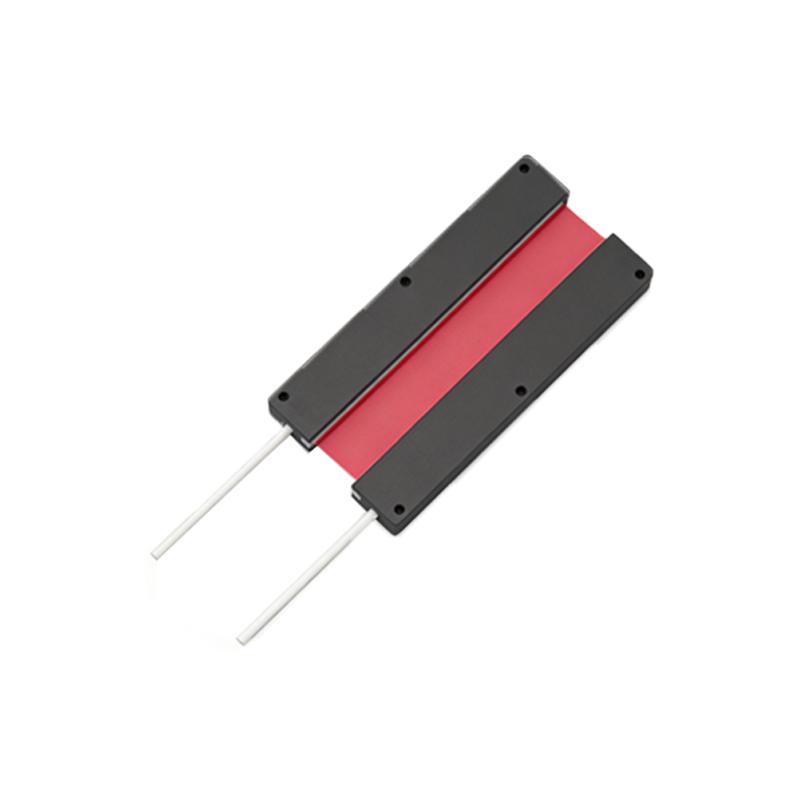
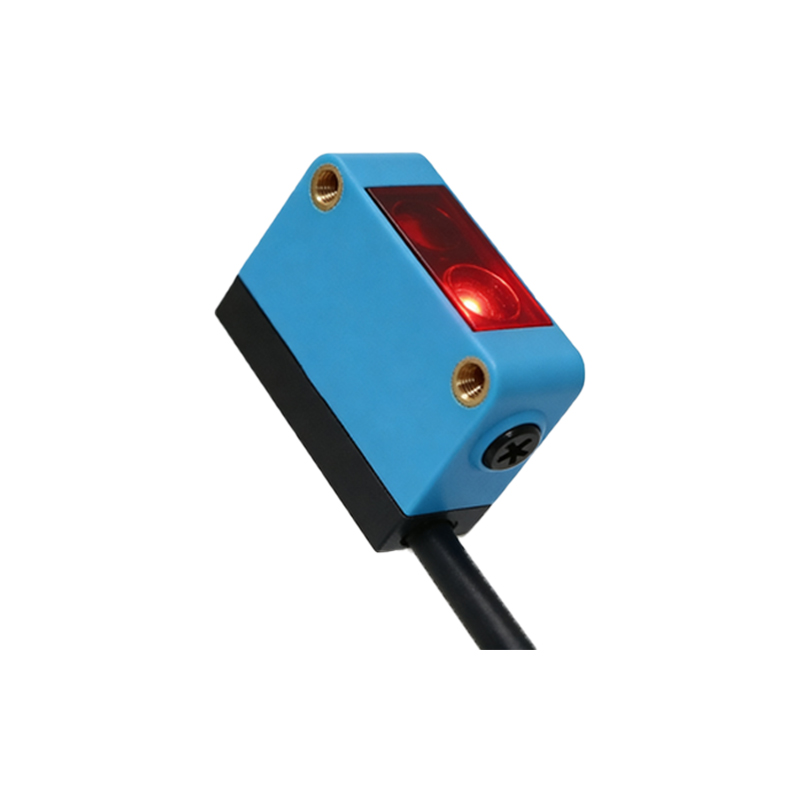
When selecting a photoelectric sensor for a 50cm NO application, focus on the sensing method: through-beam, retro-reflective, or diffuse. For the 50cm range, diffuse sensors are common, relying on the target's reflectivity. Key parameters include response time (typically under 1ms for high-speed lines), operating voltage (often 10-30V DC for industrial PLC compatibility), and protection rating (IP67 or higher for dusty/wet environments). Also consider the sensor's light source: infrared (IR) for long-range reliability or red LED for alignment ease. For stainless steel or cleanroom environments, choose sensors with robust housing materials.
Installation Best Practices for 50cm NO Sensors
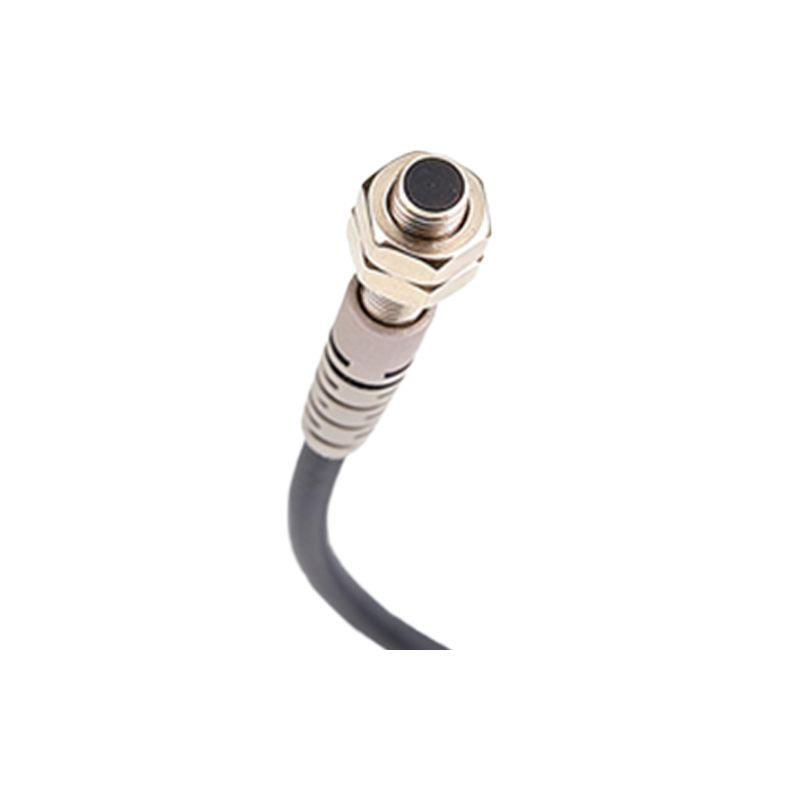
Proper installation ensures accurate detection across the 50cm range. Mount the sensor perpendicular to the target surface to avoid beam divergence issues. Avoid glossy or transparent targets that can cause false triggering; instead, use retro-reflective modes for such materials. Ensure the sensor's lens is clean and free from debris, as dirt can reduce effective range. For vibration-prone machinery, reinforce mounting brackets with lock washers. Wire the NO output to a pull-up resistor if using sinking (NPN) outputs, or directly to sourcing (PNP) inputs on PLC modules.
Common Troubleshooting and Maintenance Tips
Despite robust design, sensors may experience issues. If the sensor fails to detect at 50cm, check for misalignment or contamination on the lens. Use a clean cloth and isopropyl alcohol for cleaning. For intermittent signals, verify that the target has sufficient reflectivity (e.g., white paper vs. black rubber). Electrical noise from nearby motors can cause false triggers; add ferrite cores to signal cables. If the NO output remains active without a target, adjust the sensitivity potentiometer (if available) or replace the sensor. Always test with a known reflective target at 50cm to confirm calibration.
Industry Applications and Future Trends
Common applications include conveyor belt object counting, packaging line presence detection, and automated warehouse pallet positioning. The 50cm NO sensor is also used in safety light curtains for machine guarding. Future trends include IO-Link communication for real-time diagnostics and smart sensors with adjustable ranges via software. As Industry 4.0 evolves, integrating these sensors with PLCs and SCADA systems will improve predictive maintenance and reduce downtime.