2026-06-08
Tech Hub
By 创始人
Enhancing Food Production Efficiency with Photoelectric Sensors
Introduction to Photoelectric Sensors in Food Production
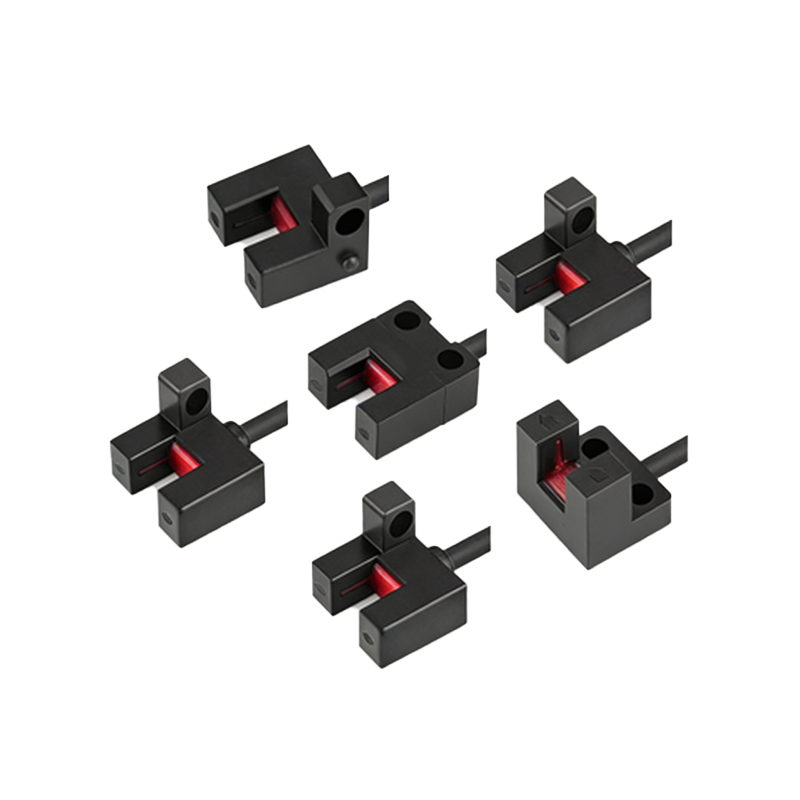
Photoelectric sensors are critical components in modern food production lines, offering non-contact detection of objects, materials, and packaging. In the food industry, where hygiene, speed, and accuracy are paramount, these sensors ensure seamless automation. They operate by emitting a light beam (visible or infrared) and detecting changes in the received signal, enabling precise monitoring of product presence, position, and quality. For electrical engineers, selecting the right sensor type—through-beam, retro-reflective, or diffuse—depends on the specific application, such as detecting transparent bottles, opaque packages, or uneven surfaces.
Key Applications in Food Processing Lines
Photoelectric sensors are deployed across various stages of food production, from raw material handling to final packaging. In conveyor systems, they detect bottle or can presence to trigger filling, capping, and labeling machines. For example, retro-reflective sensors are ideal for clear container detection, while diffuse sensors work well for opaque items like cartons. In hygiene-critical areas, stainless steel housings and IP69K-rated sensors resist washdown environments. Additionally, sensors with background suppression prevent false triggers from shiny or reflective surfaces, ensuring reliable operation in high-speed lines.
Technical Considerations for Installation
Engineers must account for environmental factors such as dust, steam, and temperature fluctuations. For dusty environments like flour mills, through-beam sensors with high optical power maintain performance. In wet areas, sensors with sealed optics and M12 connectors prevent moisture ingress. Alignment is crucial: through-beam pairs require precise emitter-receiver alignment, while retro-reflective sensors need retroreflectors with minimal degradation. Diffuse sensors, compact and easy to mount, are suited for short-range detection. Electrical engineers should also evaluate response times (as low as 0.1 ms) to match line speeds and output types (PNP/NPN) for compatibility with PLCs.
Advantages Over Traditional Sensors
Compared to capacitive or inductive sensors, photoelectric sensors offer superior range (up to 30 meters for through-beam) and versatility. They detect non-metallic objects, including transparent plastics and films, which inductive sensors cannot. For food safety, non-contact operation eliminates physical wear and contamination risks. Modern sensors with IO-Link enable remote diagnostics and parameter adjustment, reducing downtime. For instance, a sensor on a bottling line can be reprogrammed to detect different bottle colors without physical access, enhancing flexibility.
Maintenance and Troubleshooting Best Practices
Regular cleaning of optics and retroreflectors prevents signal loss. Engineers should monitor sensor alignment and check for false triggers caused by ambient light or interference from other sensors. Using teach-in functions simplifies setup for new product formats. Common issues include lens fogging in cold storage, which can be mitigated with heated optics. For troubleshooting, oscilloscope traces of output signals help identify intermittent faults. Spare sensor units and pre-terminated cables reduce replacement time during production shifts.
Future Trends in Sensor Technology
The food industry is adopting smart sensors with embedded diagnostics and edge computing. These sensors predict failures and optimize detection thresholds automatically. Wireless photoelectric sensors, though nascent, offer flexibility in retrofitting old lines. Additionally, sensors with dual-wavelength technology improve detection of colored or patterned packaging. For engineers, staying updated on these trends ensures competitive production lines with minimal waste and high throughput.