Understanding the Core Profit Drivers in Photoelectric Sensor Sales
As a veteran electrical engineer, I have observed that profit margins for photoelectric sensor distributors are not solely determined by product cost. The key lies in value-added services. Distributors who excel at technical support, rapid customization, and inventory management can command 15-30% higher margins than basic resellers. For instance, offering on-site calibration or integration with PLC systems transforms a commodity into a solution. This approach reduces price sensitivity and builds long-term client loyalty.
Leveraging Niche Markets for Premium Pricing
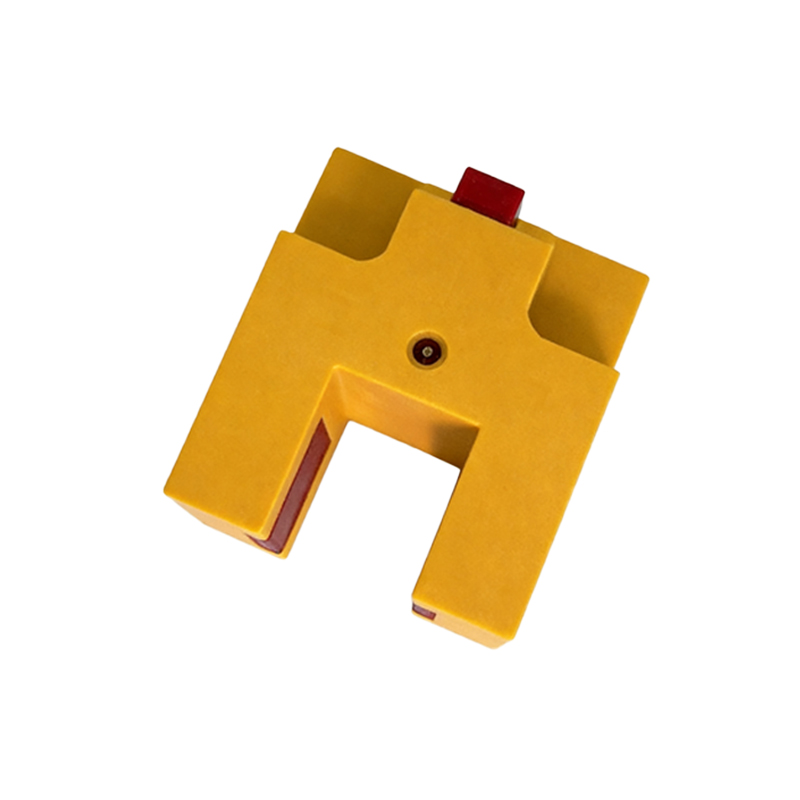
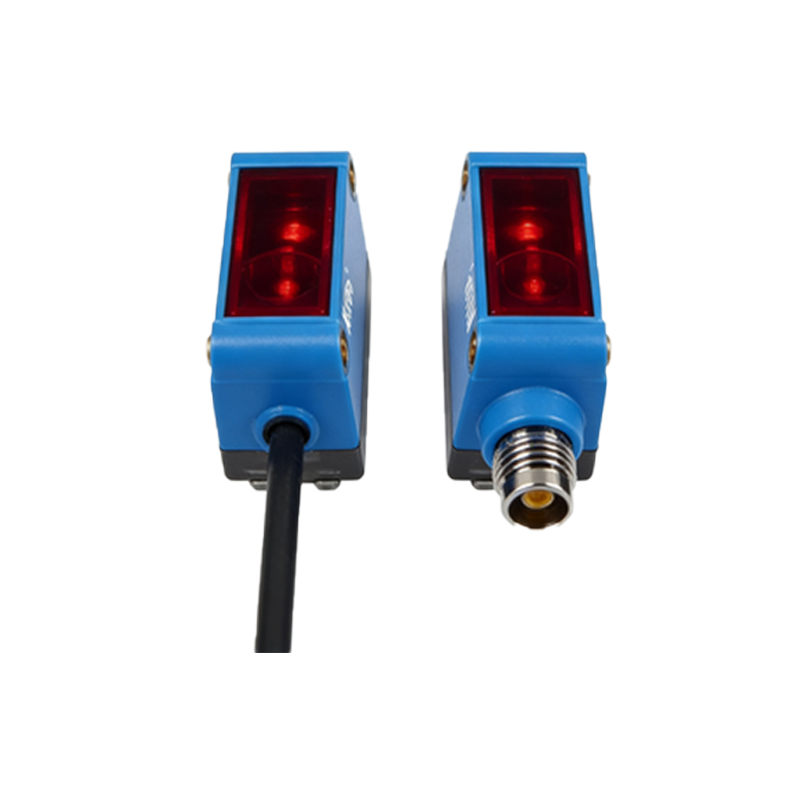
Standard through-beam sensors face fierce competition, but niche applications like high-speed packaging lines or explosive-environment sensors offer substantial premium. My experience shows that distributors targeting food processing, pharmaceutical, or semiconductor industries can achieve gross margins above 40%. To capture this, invest in certifications (e.g., ATEX, FDA-compliant materials) and create application-specific bundles. For example, pairing a sensor with a compatible amplifier and mounting bracket solves a specific pain point, justifying a higher price point.
Optimizing Supply Chain and Inventory Turnover
Cash flow is the silent killer in this business. A distributor with 90+ days of slow-moving stock sees eroded profit due to warehousing costs and obsolescence. Implement a just-in-time inventory system for high-volume models, while stocking critical specialty items. Use data analytics to forecast demand based on seasonal maintenance cycles in manufacturing plants. Additionally, negotiate volume discounts with suppliers for flagship products like laser-based or fiber optic sensors, then pass partial savings to customers to undercut competitors while maintaining a 20% margin.
Building Technical Authority to Drive Repeat Sales
In my years of field work, I have seen that clients trust engineers more than salespeople. Host free webinars on sensor troubleshooting or provide white papers on reducing false triggers in automation. This positions your brand as a knowledge hub, not just a parts supplier. When a plant engineer faces a sensor failure during a 24/7 operation, they will call the distributor who previously solved their wiring noise issue, even if the price is slightly higher. This trust translates to a 50-70% repeat purchase rate for top-tier distributors.
Utilizing Dynamic Pricing and Volume Tiers
Avoid static pricing lists. Use a tiered structure: base price for single units, 5% discount for 10-50 units, 10% for 50-200 units, and custom pricing for larger orders. This encourages bulk buying while protecting margins on small orders. Additionally, implement a "smart quote" system where lead time (e.g., standard 2-week vs. urgent 48-hour delivery) adjusts the price by 15-20%. Automation software can track competitor pricing in real-time, allowing you to adjust quotes for key accounts without sacrificing profitability.
Reducing Returns and Technical Support Costs
A common profit drain is excessive returns due to misapplication. Provide a "sensor selection tool" on your website that asks for environment (dust, moisture, temperature), target material, and detection range. This reduces incorrect orders by 30%. For technical support, create a knowledge base with common issues like alignment problems or electromagnetic interference. By empowering clients to self-diagnose, you cut support costs by 40%, directly boosting net profit.
Conclusion: The Future of Profitability in Sensor Distribution
The most successful distributors will not just sell sensors; they will sell uptime and efficiency. By focusing on value-added services, niche markets, data-driven inventory, and technical authority, you can systematically increase profit margins from industry-average 10-15% to a sustainable 25-35%. Remember, in the industrial automation sector, your expertise is the highest-margin product you will ever sell.